29 Gorgeous Pictures of Barbra Streisand Young
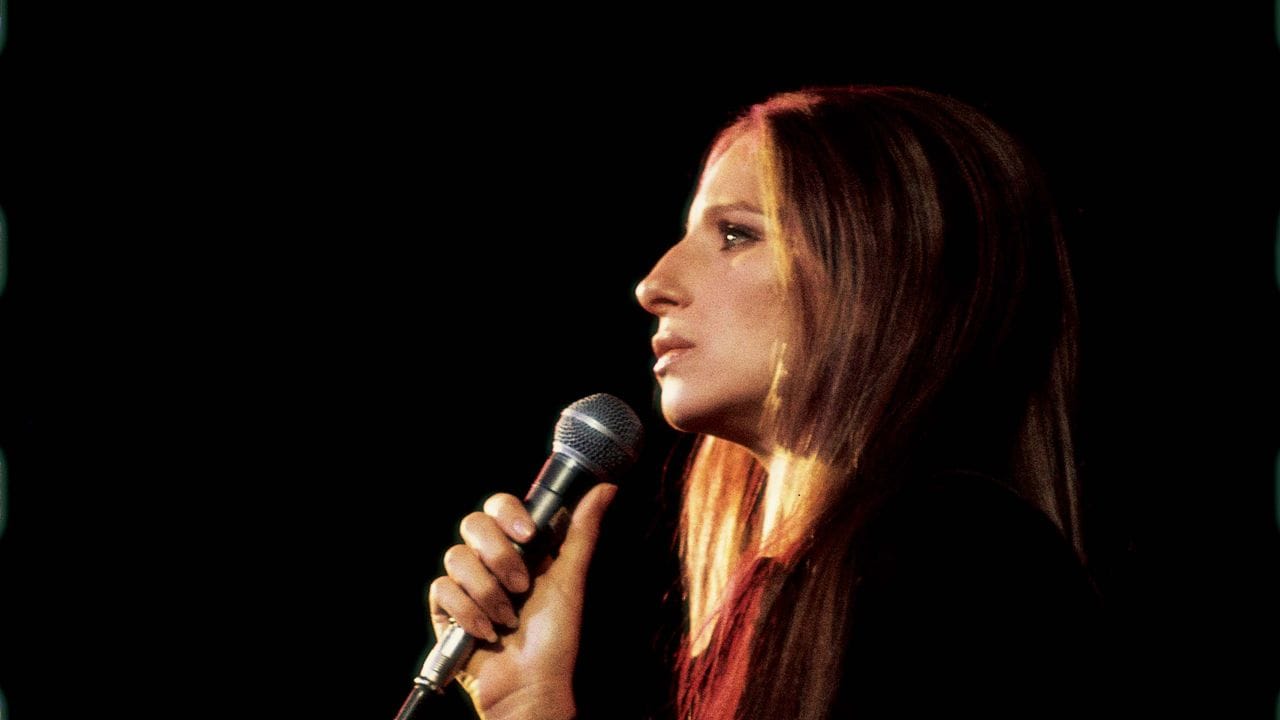
To celebrate her birthday today, we’ve gathered some of the most glamorous old pictures of the original “Funny Girl” that we could find.
Reported by Vogue.
Barbra Streisand didn't just have a career—she had a cultural takeover. By her early twenties, she'd already headlined the original Broadway production of Funny Girl, then topped it with an Oscar-winning film version in 1968. But that was just the beginning. What followed was a masterclass in refusing to be boxed in: screwball comedies, romantic dramas, three directorial projects, Grammy-winning albums, a 970-page memoir. The woman didn't do one thing. She did everything.
What's striking, looking back at her younger years through archival photographs, is how deliberately she constructed her image—not in a calculated way, but as an extension of her ambition. Whether she was performing at Central Park in 1967 in a flowing gown, directing Gene Kelly on the set of Hello, Dolly!, or sitting courtside with Hollywood royalty, Streisand moved through spaces with the confidence of someone who'd already decided her own terms. Her style wasn't about following trends; it was about commanding rooms.
From Stage to Screen (and Everything After)
The late sixties and seventies were her era of maximum reinvention. She shifted seamlessly between comedic roles (What's Up, Doc?, For Pete's Sake) and dramatic ones (The Way We Were, A Star is Born), each time looking entirely different—not because fashion demanded it, but because the character did. By the time she won Golden Globes for directing and starring in Yentl in 1984, she'd already proven something most people never do: that you don't have to choose between being taken seriously as an artist and being a global phenomenon.
These photographs document more than just fashion or celebrity moments. They're evidence of someone building a legacy while still in her twenties and thirties, at a time when the industry was actively trying to tell women what lane to stay in. Streisand's refusal to comply—to sing and act, to direct and perform, to be glamorous and intellectually rigorous—didn't just work. It defined what was possible.
The real power move wasn't the styling. It was the audacity.
Read the original at Vogue.