4 Dermatologist-Approved Ways to Get Rid of Milia
Do not try to pop them.
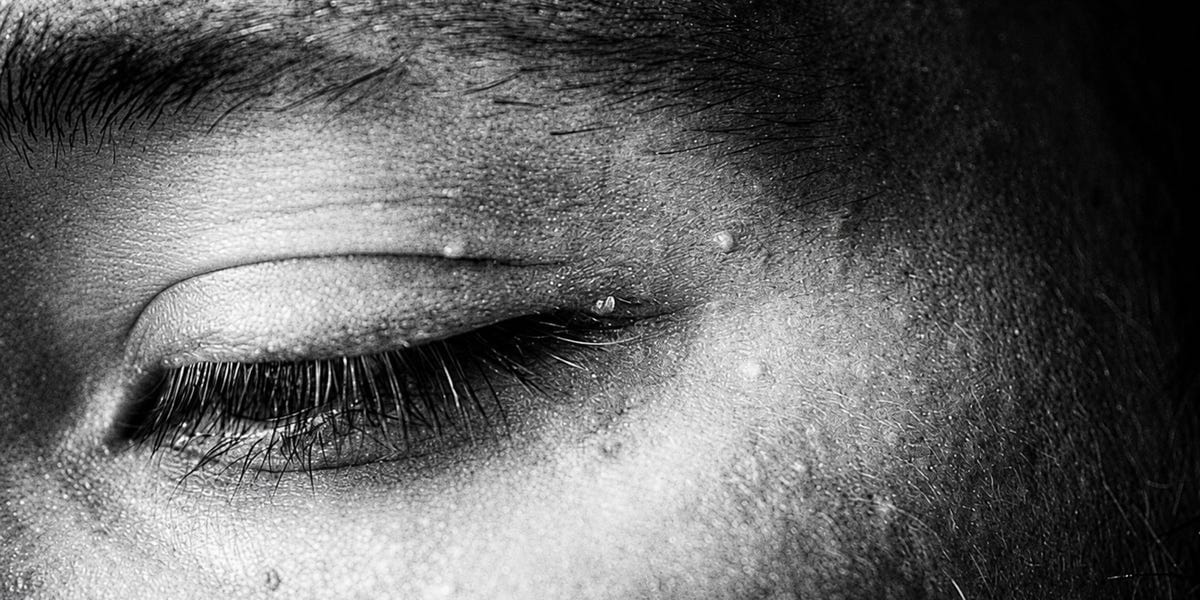
Reported by Women's Health Magazine.
They look like whiteheads. They sit in the same real estate — clustered around the eyes, nose, and cheeks. But if you've ever tried to pop one and gotten absolutely nowhere, you've likely encountered milia: the stubborn, pearlescent bumps that play by a completely different set of rules than regular acne.
According to Women's Health Magazine, milia are keratin-filled cysts — not pimples. Dr. Marnie Nussbaum, clinical instructor of dermatology at Weill Cornell Medical College, explains the distinction clearly: while whiteheads form from a mix of sebum and dead skin cells, milia are dense, hardened keratin trapped beneath a thin layer of skin. There's no fluid, no bacteria, and critically — no clean exit. Attempting to extract them at home risks breaking the skin and leaving a permanent scar. Celebrity esthetician and Renée Rouleau Skincare founder Renée Rouleau describes them as "tiny pearls," which sounds lovely until you realize they can stick around for months, sometimes years. The Cleveland Clinic notes some resolve in weeks; others simply don't.
What's Actually Causing Them
Milia form when skin can't shed properly — and several habits accelerate that failure. Skipping your nightly cleanse is a primary culprit, allowing dead cells, oil, and product residue to build up and trap keratin beneath new skin. Heavy, rich moisturizers can compound the problem by blocking the surface turnover process; Dr. Nussbaum recommends switching to a lightweight, water-based formula — or at minimum, an oil-free eye cream if you can't give up the thick stuff. And here's one you may not have clocked: Rouleau has observed a notable correlation between smoking and milia clustering around the eye area, theorizing that upward smoke exposure triggers localized keratinization.
Treatment comes down to four evidence-backed moves. Gentle cleansing twice daily is non-negotiable — it clears the canvas and lets skin renew efficiently. Regular exfoliation with alpha hydroxy acids like glycolic or lactic acid dissolves the bonds between dead cells, preventing the buildup that creates milia in the first place; Rouleau emphasizes not skipping the eye area, even though the skin there is more delicate. Retinol is the heavy hitter — Dr. Nussbaum calls it "extremely helpful" for accelerating cell turnover and preventing new cysts from forming. Start two to three times per week, assess your skin's response, and only layer in an AHA after six to eight weeks of stable retinol use, on alternating nights. For severe or persistent cases, professional extraction by a dermatologist or licensed esthetician is the most direct resolution — no scarring risk, no guesswork.
Milia aren't dangerous, but they are persistent — and the path out is less about finding the right spot treatment and more about building a consistent routine that keeps your skin turning over the way it's supposed to.
Read the original at Women's Health Magazine.