A Hundred Years Later, Marilyn Monroe Is Still the Beauty Blueprint
The Hollywood star’s image, and how she crafted it, remains as relevant as ever
Reported by Harper's Bazaar.
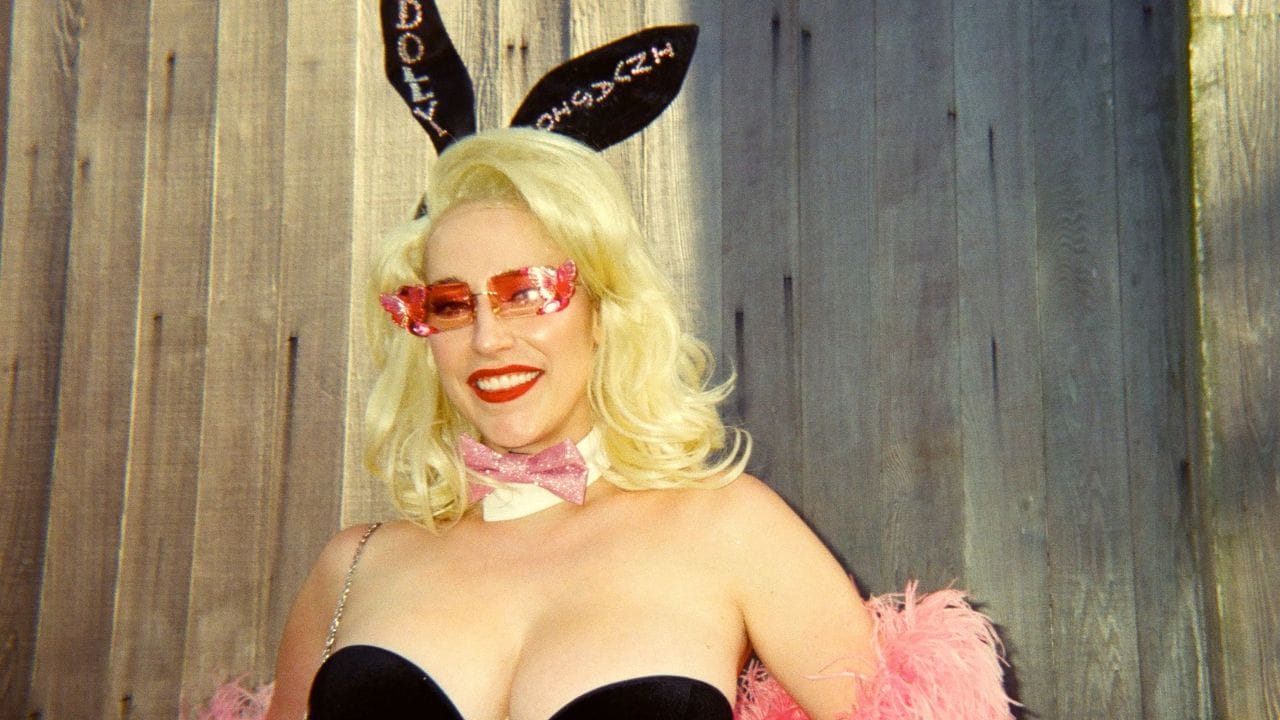
A hundred years after Norma Jeane Mortenson was born in Los Angeles on June 1, 1926, Marilyn Monroe isn't a relic — she's a reference point. Slap a blond wig and a red lip on anyone at a Halloween party and the costume reads instantly. Her beauty DNA runs through Madonna, Anna Nicole Smith, Lil' Kim, Kim Kardashian. But according to Harper's Bazaar, what makes Monroe feel so urgently alive at her centennial isn't the platinum hair or the mole placement. It's the idea underneath all of it: that beauty isn't something you're handed — it's something you build.
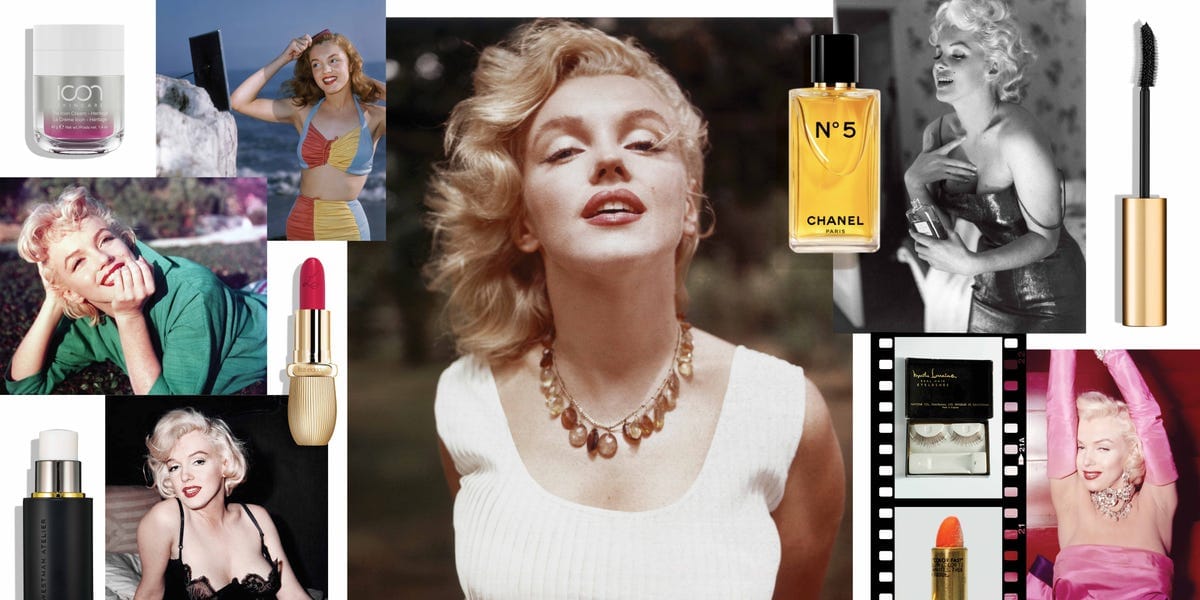
The building, as it turns out, was meticulous. Monroe and her longtime makeup artist Allan "Whitey" Snyder essentially collaged an icon — borrowing Greta Garbo's eyes, Rita Hayworth's lips, Jean Harlow's hair — into a single, devastating image. "Norma Jeane created Marilyn," says Bryan Johns, Hollywood collector and cofounder of the newly launched Icon Skincare, a line directly inspired by Monroe and her facialist, Madame Renna. Renna was an early pioneer of fascia massage who formulated her own skincare using honey, royal jelly, and propolis. Johns uncovered her work through decades of collecting Hollywood memorabilia, and Icon Skincare's nine-product lineup includes Icon Cream–Heritage, a formula that stays roughly 95 percent true to Renna's original recipe.
The Centennial Beauty Moment
Monroe's 100th birthday has triggered a genuine beauty industry reckoning. Makeup artist and beauty historian Lisa Eldridge — whose Monroe makeup tutorial has racked up nearly six million YouTube views — is releasing a limited-edition Lisa Eldridge x Marilyn Monroe collection: lipsticks, liners, and two skin balms named after film lighting techniques, packaged with Sam Shaw's 1957 Amagansett photographs. The balm itself traces back to Monroe's reported habit of layering Vaseline for that luminous, camera-ready skin. Eldridge's version is a cleaner formula, but the intention is the same: that impossible glow. Monroe also reportedly refused to let studios wax the fine facial hair that gave her an ethereal on-screen radiance — the original anti-dermaplaning era skincare hack. "Marilyn knew the power of her skin," Johns says.
On May 31, the Academy Museum of Motion Pictures opens Marilyn Monroe: Hollywood Icon, running through February, with roughly 230 objects including the rouge, false lashes, silver-white eyeshadow, and — of course — Chanel No. 5, the official exhibit sponsor and Monroe's most quoted accessory. Curator Sophia Serrano says the show aims to frame Monroe as "a creative genius in constructing this persona," celebrating both the woman and the village of collaborators who made her. In a detail almost too poignant to process: Snyder promised Monroe that if she died first, he would do her makeup. He kept that promise.
Celebrity makeup artist Erin Parsons, who survived a difficult childhood and collects Monroe ephemera, puts it plainly: Monroe "showed me that you don't have to be born beautiful. You are capable of creating your own image and your own future." That sentiment hits harder now than it did in 1955 — in an era of contouring tutorials and curated personas and constant reinvention, Monroe didn't predict the beauty internet so much as she invented its thesis.
The real Monroe legacy isn't the red lip or the bleached hair — it's the radical, still-radical idea that you get to decide who you look like.
Read the original at Harper's Bazaar.