A New Ralph Lauren Catwalk Book Proves We Really Are in the Midst of a “Ralphissance”
The tome, written by Bridget Foley, covers all womenswear collections from 1976-2025.
Reported by Vogue.
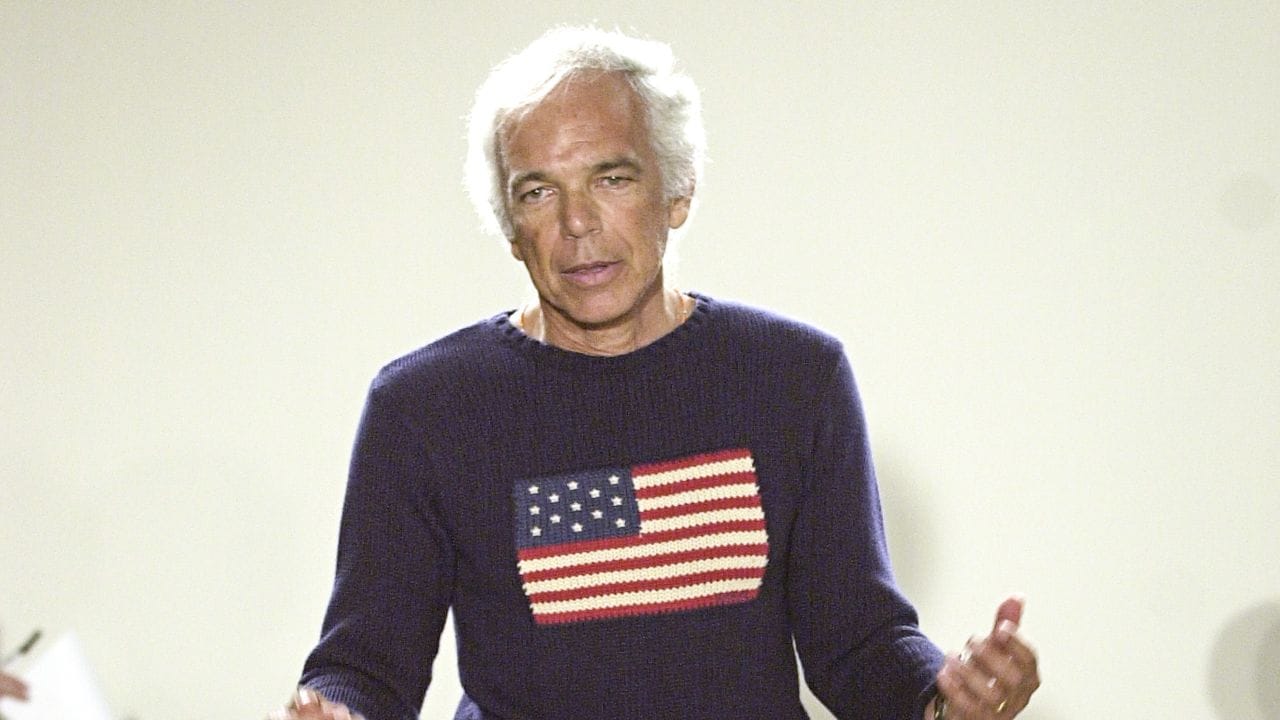
Ralph Lauren has always operated on a frequency slightly outside fashion's trend cycle — and right now, the world is finally tuned in. According to Vogue, veteran fashion journalist Bridget Foley has chronicled every Lauren womenswear collection from fall 1972 through fall 2025 in a new Thames & Hudson Catwalk volume, making him the first American designer included in the prestigious series. The company he keeps on that list — Prada, Chanel, Saint Laurent, Versace — tells you everything about the tier he belongs to, even if fashion has sometimes been slow to say so out loud.
Foley's case is compelling: Lauren is, by her account, the most successful designer-founder in American fashion history and holds the longest-running creative tenure of any major-house founder still controlling their label — a distinction that, following Giorgio Armani's death in 2025, is now shared only with Rei Kawakubo and Yohji Yamamoto. That kind of staying power isn't luck. It's vision, relentlessly applied.
Why the "Ralphaissance" Is Real
The cultural timing couldn't be stranger or more logical. Foley argues that consumers — Gen Z included — are gravitating toward Lauren precisely because authenticity has become the most overused and underdelivered promise in fashion. Lauren, she says, actually means it. He was talking about longevity and investment dressing before "sustainability" entered the industry lexicon, famously insisting he wanted his clothes to look better next year than this year, and better still a generation later. In a landscape defined by revolving-door creative directors and brand identities that lurch season to season, a single cohesive vision spanning nearly six decades reads less like nostalgia and more like a radical act.
There's a political undercurrent worth acknowledging too. Lauren's brand of Americanness — aspirational, cinematic, rooted in a kid from the Bronx who fell in love with the movies and dressed himself into a different life — resonates differently against today's backdrop. Foley frames it as a yearning for "our better angels," a vision of what America could be rather than what it currently is. His patriotism, she notes, reads as possibility rather than politics, which is a narrow lane to walk and one he's somehow managed to hold. His early obsession with vintage, reportedly born from wearing hand-me-downs as the youngest of four brothers, also threads directly into the brand's core tenet: weathered and worn is not a flaw, it's a credential.
Lauren calls himself anti-fashion — a provocateur's claim from a man whose polo shirt has been worn by millions — but the distinction he's drawing is between trend and style, between this season and forever. That's the argument the Catwalk book is making, and in 2025, it lands. The most subversive thing in fashion right now might just be believing in something long enough to make it true.
Read the original at Vogue.