A Sunscreen Ingredient People Have Been Begging For Is Finally Coming To The U.S
The FDA has approved bemotrizinol, the first new sunscreen ingredient added in more than 20 years in the US. Here's what it is and how it works.
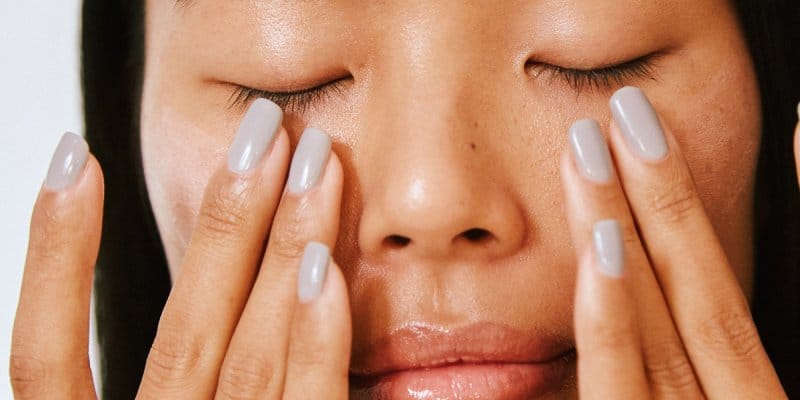
Reported by MindBodyGreen.
If you've ever ordered sunscreen from a Japanese beauty site or raided a French pharmacy on vacation, you already know the frustration: the formulas feel different. Lighter, more elegant, and — according to plenty of dermatologists — genuinely more protective. A big part of why those products have been so coveted comes down to ingredient access. For over two decades, the U.S. sunscreen market has been working with a limited toolkit while Europe and Asia moved on. That officially changed on June 9, when the FDA approved bemotrizinol (BEMT) as a new active sunscreen ingredient — the first addition to the agency's over-the-counter sunscreen monograph in more than 20 years. It's approved for use in adults and children as young as six months old.
Why This Ingredient Is Worth the Hype
Bemotrizinol is a chemical UV filter, meaning it absorbs ultraviolet radiation and converts it into heat rather than letting it damage your skin. But what separates it from the chemical filters already on shelves is its range and stability, according to MindBodyGreen. Most chemical sunscreen ingredients approved in the U.S. are stronger against either UVA or UVB rays, which forces formulators to stack multiple actives to hit true broad-spectrum coverage. Bemotrizinol handles both on its own. It's also highly photostable — it doesn't degrade under prolonged sun exposure the way some existing filters do, meaning the protection you apply at 10 a.m. is still working at noon. On top of that, the FDA's review found that it demonstrates minimal absorption through the skin, which addresses a concern that has shadowed chemical sunscreen conversations for years.
The significance here isn't just cosmetic. UVA rays — the ones responsible for wrinkles, pigmentation shifts, and deep structural skin damage — have always been the harder category to protect against. UVB rays cause the burn you can see; UVA causes the damage you can't, until you can. A filter that covers both with strong photostability is genuinely useful, and it's the kind of advancement that consumer advocacy groups like the EWG and dermatology organizations have been pushing for.
Don't expect to find it on shelves tomorrow — manufacturers need time to reformulate and produce. Industry experts anticipate the first bemotrizinol products hitting the U.S. market later this year. When they do, expect textures and finishes that feel closer to the lightweight, buildable European and Korean SPFs that have inspired a dedicated gray-market import habit among beauty obsessives. None of this renders your current sunscreen obsolete; zinc oxide and titanium dioxide remain excellent options, and any broad-spectrum SPF used consistently and correctly is still doing its job.
But after two decades of regulatory stagnation, Americans finally have a new tool — and the sunscreen aisle is about to get a lot more interesting.
Read the original at MindBodyGreen.