Ahead of the Met Gala, an Up-Close Look at “Costume Art”
The first show in the Costume Institute’s expanded galleries explores the way the body is an enduring central component of the artistic canon.
Reported by Vogue.
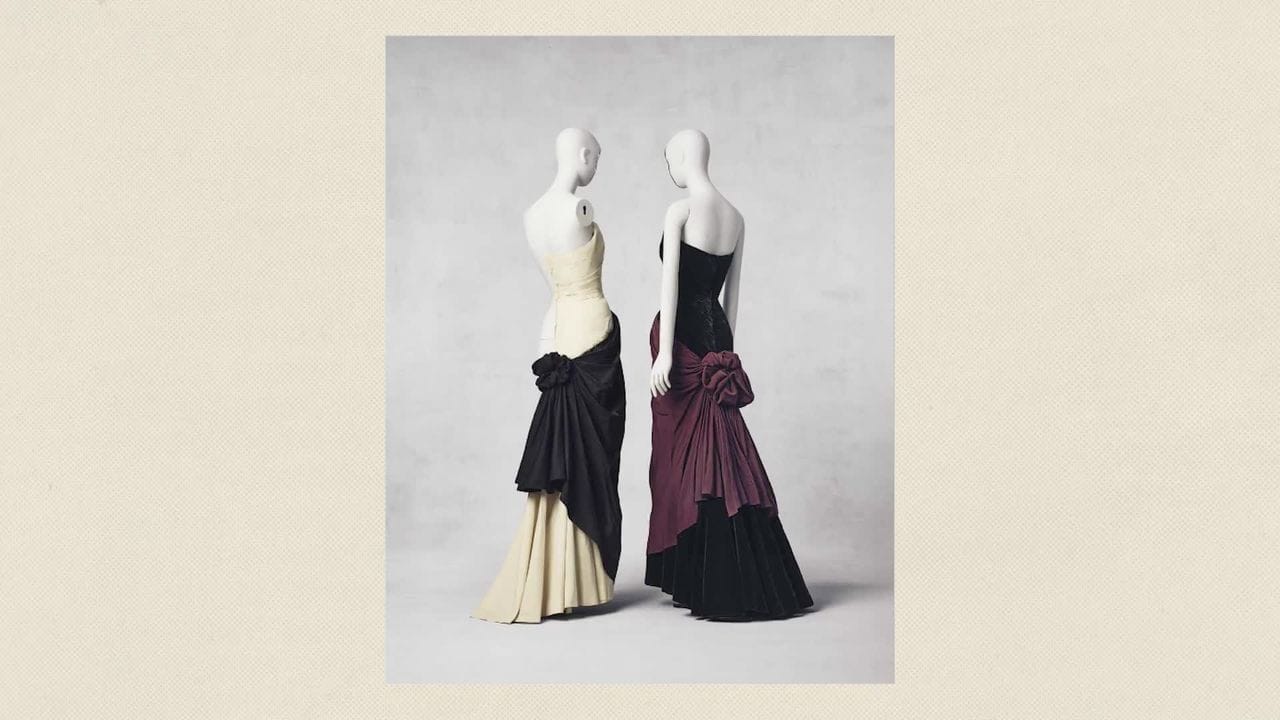
The question has been lingering for centuries, long before the Metropolitan Museum of Art made fashion an official curatorial department in 1946: is getting dressed an act of art? The Costume Institute's new exhibition, Costume Art, doesn't just revisit the debate — it structures an entire show around it.
The premise is deceptively clean, according to Vogue: pair existing artworks with corresponding garments and accessories and let the viewer's mind do the rest. Curator Andrew Bolton, OBE, frames it plainly — "Fashion is very much an art form not in spite of the body, but because of it." The show moves through sections that span Biblical nudity, body diversity, and the long human history of using clothing not just to cover but to distort, subvert, and reclaim the form. It's a thread that runs from the Venus of Willendorf straight through to Cindy Sherman's photographic self-portraits, and the exhibition makes that lineage impossible to ignore.
A New Stage for Fashion's Biggest Institutional Argument
Costume Art also marks a significant institutional moment: it's the first show in the Costume Institute's new home, the Condé M. Nast Galleries. The department has been upgraded from a 4,500-square-foot basement space to a 12,000-square-foot ground-floor gallery just off the Met's Great Hall — a move that feels deliberately symbolic. Met director Max Hollein is direct about what it signals: "We collect paintings, sculptures, textiles, arms and armor, but especially all the fashion. And we want to make sure that it's understood that fashion is a fantastic form of art." More square footage, more visibility, more institutional weight behind an argument the fashion world has been making for decades.
The exhibition won't hand you a verdict on whether fashion is art or art is fashion — and that's probably the point. What it will do is put the two in a room together and make you sit with the tension. Bolton and Hollein have essentially built a thesis statement out of velvet ropes and vitrines, and ahead of the Met Gala, that feels exactly right.
If you've ever stood in front of a McQueen silhouette and felt something shift in your chest, this show is institutional confirmation that you weren't imagining it.
Read the original at Vogue.