Can Deb Haaland Make History in New Mexico's Governor's Race?
American has never had an Indigenous woman as governor. The question Haaland’s campaign poses is: What might that mean?
Reported by Vogue.
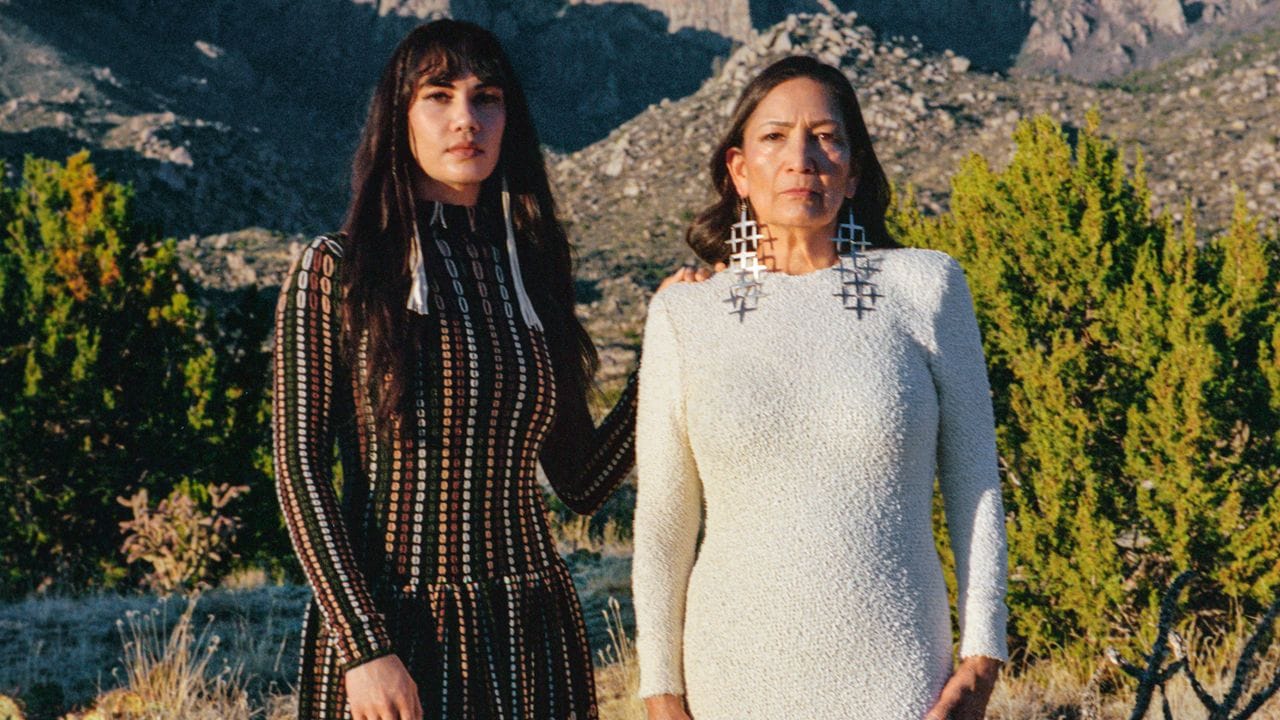
Deb Haaland walks into a Shiprock, New Mexico elementary school gym carrying pastry trays and the weight of potential history. She introduces herself — "Hi, I'm Deb Haaland" — to a room that largely already knows her: Biden's former interior secretary, a congresswoman, and now a candidate for governor of New Mexico. If she wins, she becomes the first Native American woman ever elected to lead a state. The gym has compass points marked on each wall. She arrived from the east.
The optics of her campaign stop are quietly telling. Her Democratic primary opponent, Sam Bregman, is also at the Northern Navajo Agency Council meeting — blazer, cowboy hat, cowboy boots — while Haaland wears jeans, a paisley blouse, and silver earrings engraved with symbols for clouds and rain. She grabs a banana, sits with an old friend, and clocks her remarks to the allotted five minutes. On the trail, she'll log roughly 1,000 miles through northeastern mountains, past Santa Fe spas, alongside the salt flats where America's first atomic bomb was detonated. The itinerary reads like the entire American contradiction compressed into four days. She's polling about 20 points ahead of Bregman, according to Vogue, and running like she isn't.
What She's Actually Running On
Haaland's platform centers on affordability, clean energy, and public safety reframed as public health — "address the root causes of crime," she tells crowds, pointing to substance abuse treatment and behavioral health funding. She's been sober for 30 years and says so openly, without performance. On uranium contamination affecting Navajo women — a federally funded study found elevated uranium levels in roughly a quarter of those tested, the toxic legacy of Cold War–era mines — she has receipts: she pushed for expanded radiation compensation in Congress in 2019. The policy is personal. So is the geography. Her Laguna Pueblo ancestors were in the Rio Grande Valley in the late 1200s; when she told a 2018 campaign crowd she was a 35th-generation New Mexican, the room laughed — because the math landed.
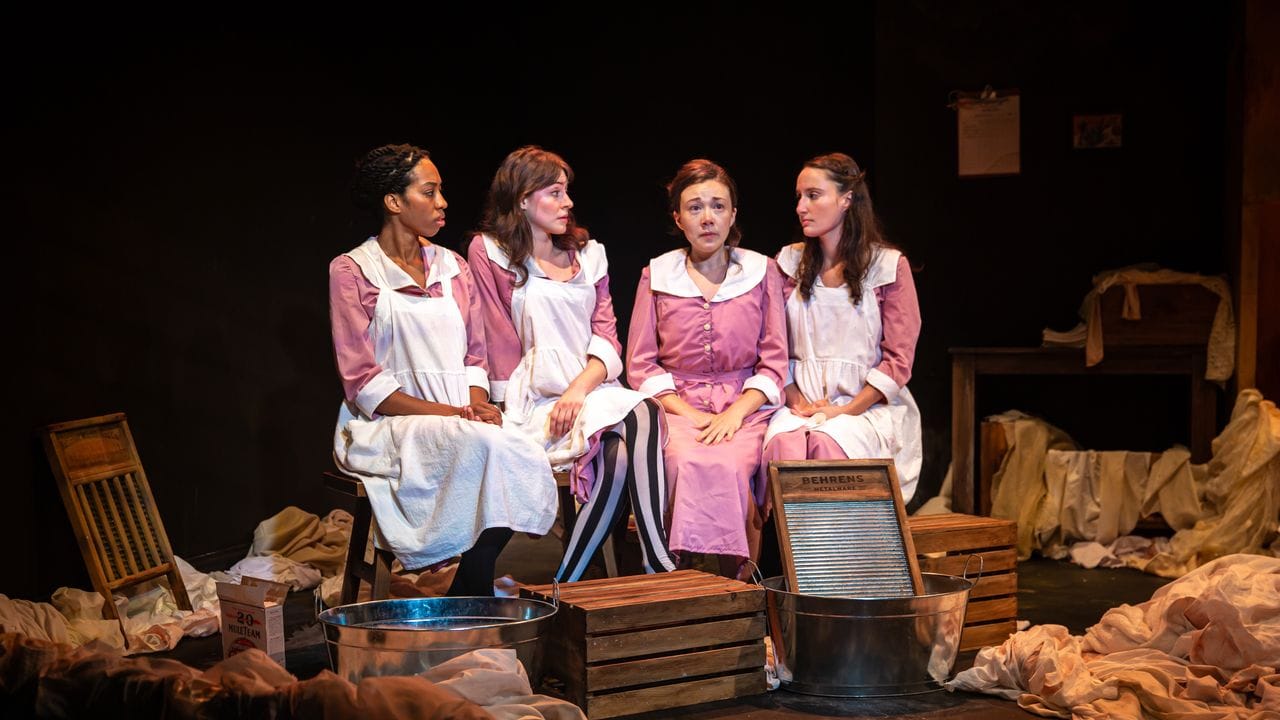
What makes Haaland's candidacy feel genuinely different isn't just the history-making potential, it's the texture of who she is underneath it. She baked carrot cake with cream cheese frosting from scratch for Interior Department staff birthdays. She was a self-described theater mom who made her daughter Somah a cake shaped like The Importance of Being Earnest for high school graduation. Somah, now 32 and living in Brooklyn, teaches theater to seniors and writes poetry; the two share a politics of care that runs through everything from campaign speeches to homemade wedding cakes. "Once a theater mom, always a theater mom," Haaland says.
New Mexico turns 250 alongside the country this year, but Haaland's presence reframes that anniversary entirely — the Pueblo Revolt of 1680, led by her ancestors, predates the American Revolution by nearly a century as the continent's first successful rebellion against colonial rule. She's not running as a symbol of that history. She's running as its continuation.
Read the original at Vogue.