Can LED Masks Make Melasma Worse? Derms Weigh In
Red- and blue-light therapy is a popular treatment for dark spots, but a growing number of women say it’s the sneaky culprit behind their melasma
Reported by Harper's Bazaar.
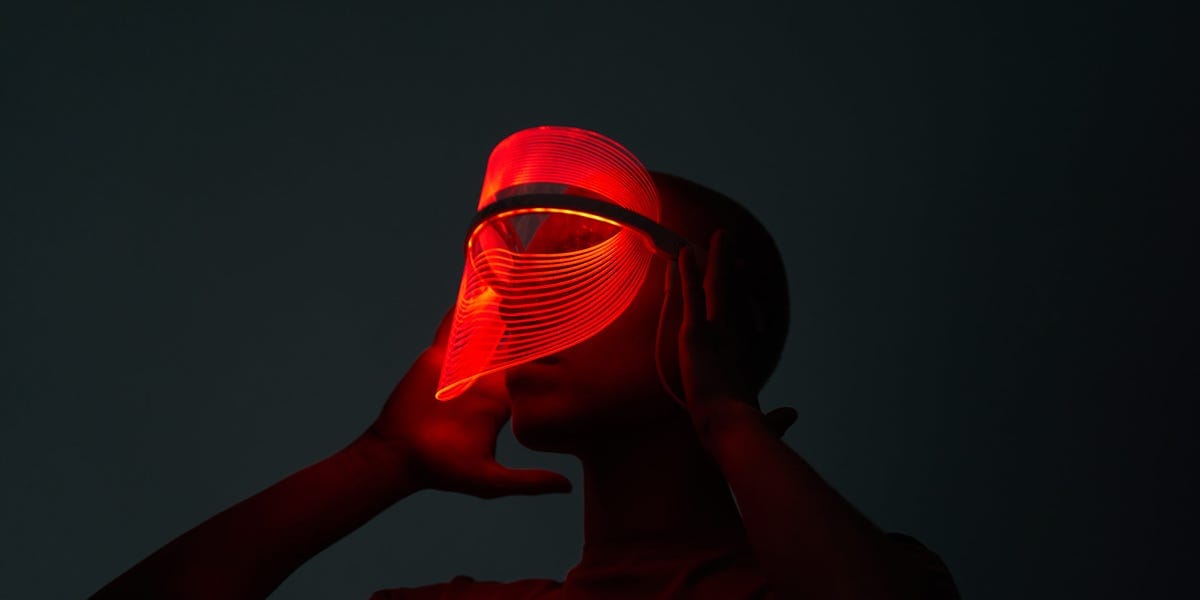
LED masks have become the ultimate status symbol of the serious skincare obsessive — a glowing, futuristic promise of clearer skin, fewer breakouts, and a complexion that looks like you sleep eight hours and drink two liters of water daily. And for many people, they deliver. But a mounting chorus of women online is reporting something the marketing decks conveniently leave out: their LED masks appear to have triggered melasma — the stubborn, patch-forming hyperpigmentation that is notoriously difficult to treat once it takes hold.
Reddit threads are full of frustrated accounts from women who never had melasma until they started using their devices, only to develop a dark "mask" across their faces after just a few sessions. According to Harper's Bazaar, dermatologists confirm this isn't anecdotal paranoia — it's a real and increasingly documented risk. New York City dermatologist Dr. Dendy Engelman points to heat as the primary villain: "Melasma is highly sensitive to both UV and thermal triggers, and some LED devices — especially those with infrared light — can generate enough heat to activate pigment cells. It's not the light wavelengths themselves but cumulative heat exposure and overuse that pose a risk." Chicago-based dermatologist Dr. Morayo Adisa adds that women who are genetically predisposed, or who have medium-to-deeper skin tones, are particularly vulnerable.
Two Problems, One Mask
The heat issue is only half of it. Dr. Nava Greenfield of Schweiger Dermatology Group in New York explains that blue-light therapy — the wavelength used specifically to kill acne-causing bacteria — can independently stimulate melanin production, compounding the risk for anyone already prone to discoloration. So if you bought your mask to fight breakouts, you may be trading one problem for a significantly harder one to solve.
Knowing your personal history is the clearest guide to your risk level. If melasma has appeared during pregnancy, on hormonal birth control, or after heavy sun exposure, you're already in a higher-risk category. Engelman also flags heat-reactive skin — if saunas or hot yoga reliably trigger dark patches, an infrared-emitting device is not your friend. For anyone who's noticed worsening discoloration mid-mask-era, all three dermatologists recommend stopping use immediately and pivoting to ingredients that address pigmentation without thermal risk: tranexamic acid, niacinamide, azelaic acid, cysteamine, and a tinted mineral SPF (the iron oxide in tinted formulas specifically guards against heat- and blue-light-induced pigmentation). Persistent melasma warrants a visit to a derm for compounded creams, chemical peels, or low-heat lasers built for pigment-prone skin.
The bottom line: LED masks aren't universally dangerous, but they're not universally safe either — and if your skin has ever shown the slightest predisposition to melasma, the glow-up might not be worth the gamble.
Read the original at Harper's Bazaar.