“Clothing Is Never Neutral”—Inside the 2026 Met Gala Press Preview for “Costume Art”
Inside the 2026 Met Gala Press Conference
Reported by Vogue.
There's a version of the Met Gala that exists purely as spectacle — who wore what, who sat where, which look broke the internet by 10 p.m. And then there's what's actually happening inside the museum. This year, the conversation is more substantive. "Costume Art," the 2026 exhibition and the debut show for the Costume Institute's newly expanded Condé M. Nast Galleries, opens to the public on May 10 — and according to Vogue, it's making a hard institutional argument: fashion is art, full stop.
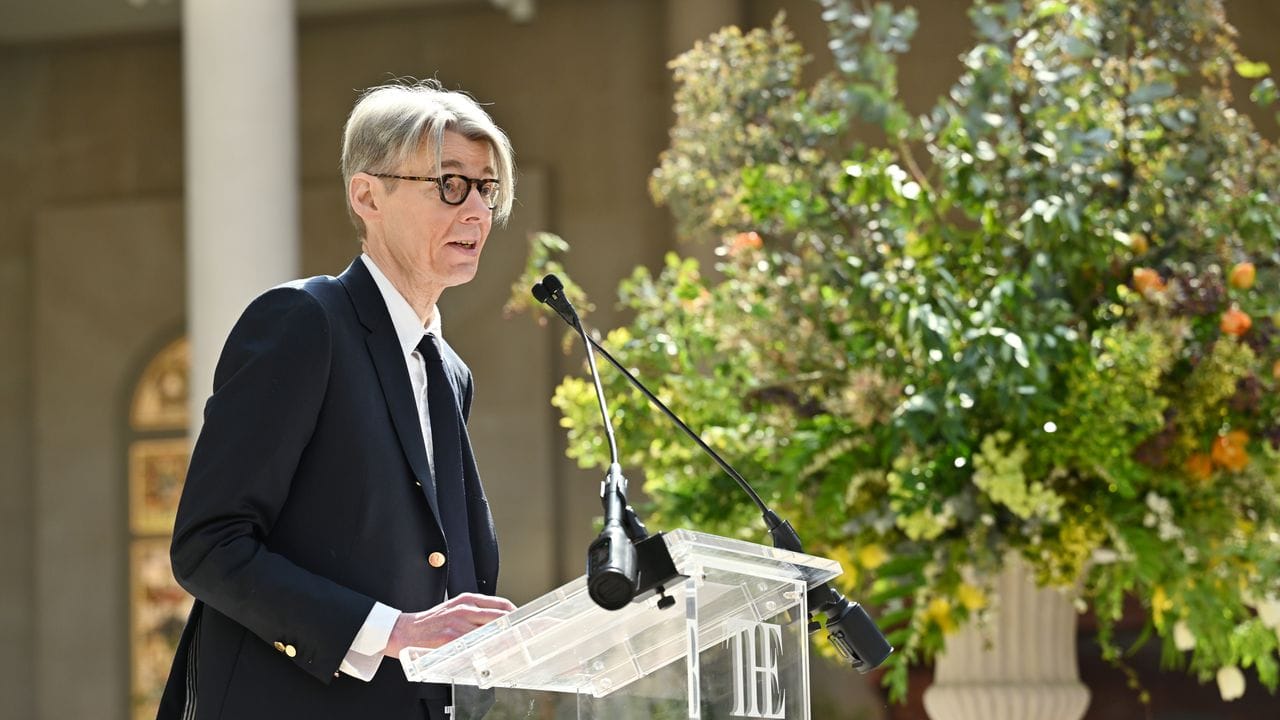
The new galleries are not a small upgrade. The Costume Institute has moved from a basement location into a 12,000-square-foot space off the Great Hall on the museum's first floor — a physical repositioning that signals exactly where The Met stands. "Fashion is art. This is something we've long believed," said museum director and CEO Max Hollein at this morning's press preview. Curator Andrew Bolton, sharp in a Thom Browne suit, framed the show around a deceptively simple idea: across 5,000 years of the museum's collection, the dressed human body is the one constant. "Clothing is never neutral," he said. "It mediates between the self and the world, expressing who we are, where we belong, and how we wish to be seen."
Venus Williams and the Politics of Getting Dressed
Co-chair Venus Williams opened the press conference with a story about her mother sewing her first tennis skirt when she was 14 — the moment she fell in love with how clothes are made, how they move, and what they mean. On the court, Williams treated fashion as a competitive act. "It was a contest," she said, grinning. "About power, strength, will, skill, and being the best-dressed. And I tried to win it all." It's a framing that cuts right to the exhibition's thesis: dressing is never just aesthetic. It's identity, strategy, self-definition.
Bolton's curatorial premise pushes that further — the clothed body as both historical record and lived experience, a medium through which art history itself can be reread. "Traces of lives once lived, bodies once present," he said of the museum's collection. Even when the body is absent, he argued, dress persists — in beauty ideals, in systems of meaning, in the cultural imagination. The room at this morning's preview included Thom Browne, Michael Kors, Tory Burch, and Saint Laurent's Anthony Vaccarello, but the conversation wasn't about trends. It was about what clothes have always been doing, quietly, underneath the surface.
If "Costume Art" lands the way Bolton intends, it won't just reframe how we look at fashion — it'll change where we look for it, and that's a statement worth dressing up for.
Read the original at Vogue.