Demna Turned Times Square Into One Big Giant Gucci Ad
The Cruise 2027 collection was filled with supermodels, It girls, big screens, and a seven-time Super Bowl winner
Reported by Harper's Bazaar.
There were no invitations with an address. No venue leaked ahead of time, no whisper network delivered the details. Just a date, and a time, and the instruction to show up at 48th and 7th. When the fashion crowd arrived and found that Demna had bought out Times Square — shut it down, commandeered nearly every colossal screen in the plaza, and built a runway inside the triangular pedestrian corridor where tourists press their faces to the light every single night — the collective jaw-drop was immediate. "Now this is a show," one editor said aloud, according to Harper's Bazaar. She wasn't wrong.
Before a single model stepped out, the screens ran mock Gucci commercials — some real (high jewelry, underwear), some entirely fabricated (Gucci Gym, Gucci Pets), most appearing to be AI-generated. The provocation was deliberate. Demna has spoken openly about his fascination with artificial intelligence, and here the technology served his larger argument: that Gucci is no longer just a heritage Italian house defined by horsebit hardware and interlocked Gs. It is, in his framing, a global cultural brand — as omnipresent and democratically legible as Coca-Cola or McDonald's. In Times Square, everything is for sale. The point landed.
Guccicore and the New American Glamour
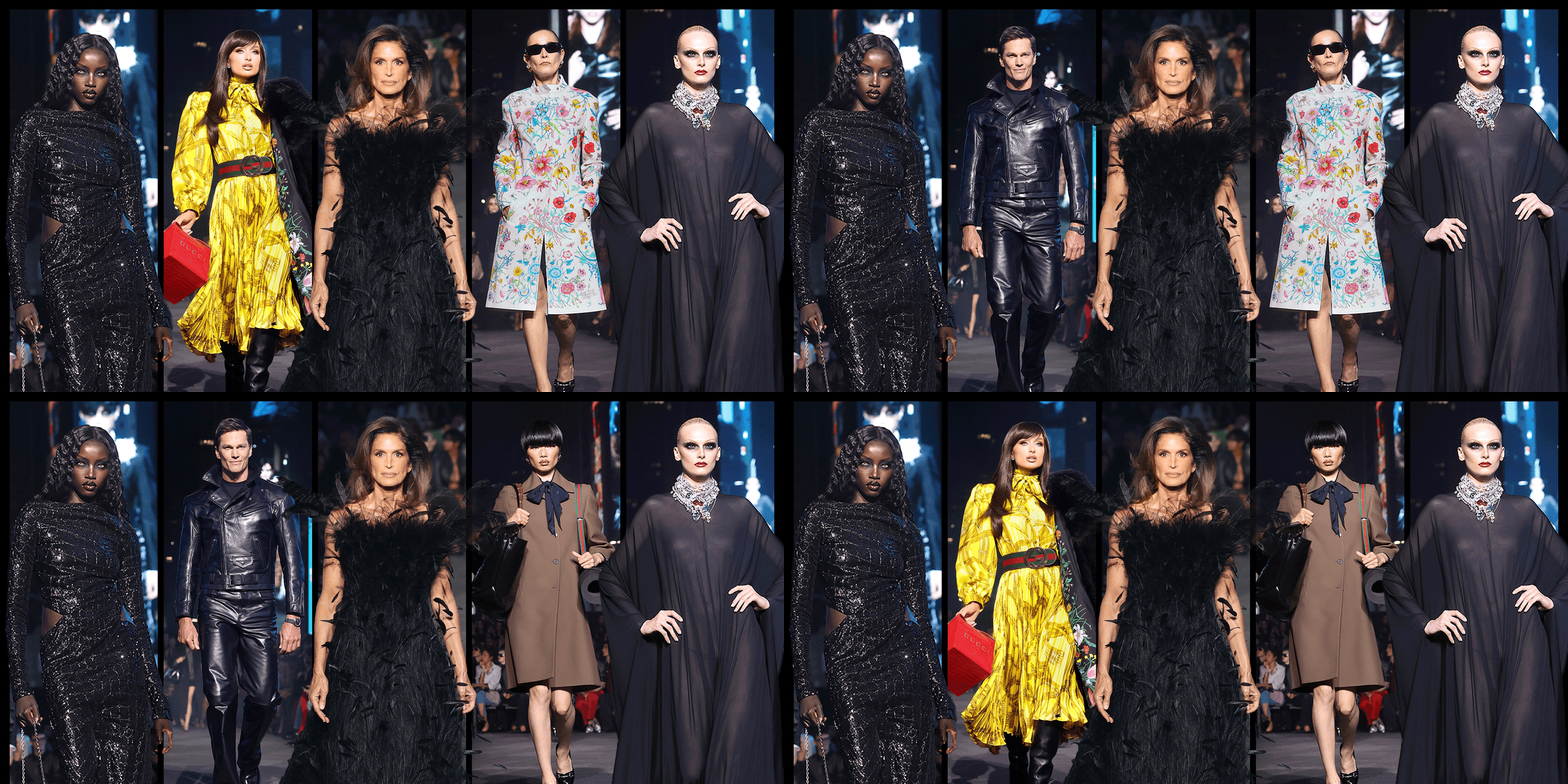
The collection itself operated under Demna's concept of "Guccicore" — a foundational wardrobe for the Gucci customer, built on essentials: crisp button-downs, pencil skirts, a classic peacoat rendered in red wool, pinstripe suits cut sharp alongside ones in searing hot pink. The clothes were elevated in construction and specific in personality, his Balenciaga-honed instincts colliding with Gucci's design codes through balloon-cropped jackets and oversized leather body stoles for men. Cult actress Sophia Lamar swept through in a fur coat over a high-slit black skirt. Paris Hilton — in a deliberately cheap-looking brunette wig — worked a '60s pussybow yellow dress cinched with a branded green and red belt. Those belts appeared perhaps one too many times, but the accessories beyond them earned their moment: horsebit shoes and totes, understated new sack bags, and Tom Ford-era heels that still know exactly what they're doing.
Tom Brady — the other Tom in Gucci's orbit — walked the runway, because of course he did. A man whose image has generated billions for global brands fits neatly inside Demna's thesis about celebrity, commerce, and aspiration. But the show's New York tribute ran deeper than stunt casting. Local painter Rory Gevis and gallerist Jeanne Greenberg were cast as models. Nightlife legend Susanne Bartsch and drag icon Lady Bunny sat front row, side by side. Alex Consani closed in a goth-ethereal sheer black caftan piled with rainbow jewels; Cindy Crawford ended it all in a feathered black gown that felt like the city at 2 a.m. — fully itself, asking nothing.
Demna's stated inspiration was New York's street-level plurality, an "undone glamour" that skews Midtown and Meatpacking rather than Milanese — and largely, he delivered. But the show also surfaced the harder questions hanging over luxury right now: whether consumers want fewer logos or more, whether heritage still means anything when the algorithm and the billboard are doing the same persuasive work, and whether a century-old house can hold both revolutionary design and mass legibility without losing the tension that makes either matter. If Demna keeps that balance, the dream stays sellable.
The real flex wasn't shutting down Times Square — it was making you believe Gucci belongs there.
Read the original at Harper's Bazaar.