Dior and <i><em>Harper’s Bazaar </em></i>Take NYC with a Cocktail Celebrating Richard Avedon’s Legacy
Guests toasted the release of a coffee table book recalling some of the photographer’s most memorable moments in print.
Reported by Harper's Bazaar.
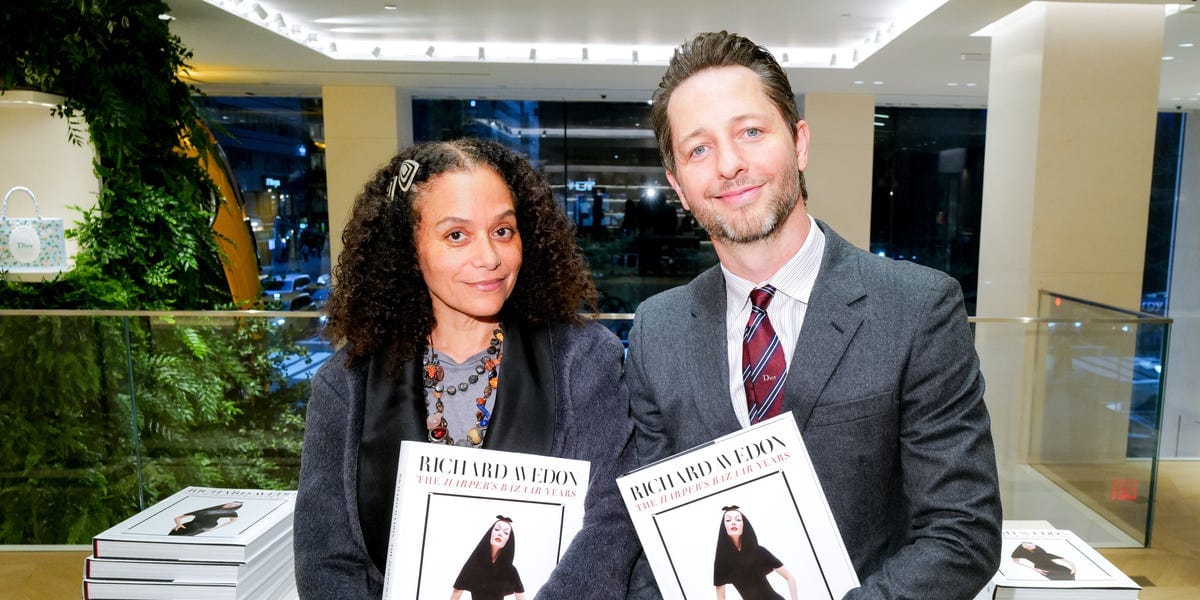
There are parties, and then there are statements. The recent Dior and Harper's Bazaar cocktail event in New York City landed firmly in the latter category — an evening built around the towering legacy of Richard Avedon, the photographer who arguably did more to define fashion's visual language than anyone else in the twentieth century. According to Harper's Bazaar, the night drew a constellation of culture's most relevant names under one roof, and the guest list alone read like a curator's dream.
Harper's Bazaar editor-in-chief Samira Nasr hosted alongside writer and cultural connector Derek Blasberg, with Caroline Avedon — Richard's daughter — present to anchor the evening in something real. That detail matters. This wasn't nostalgia for nostalgia's sake; it was a deliberate act of honoring a specific kind of genius, the kind that reshaped how women are seen, photographed, and remembered.
The Room That Showed Up
The crowd was a tight edit of fashion, art, and media's current power players: Iman, Karlie Kloss, Michael Kors, Larry Gagosian, artist Mickalene Thomas, photographer Deana Lawson, DJ Honey Dijon, and model Carmen Dell'Orefice, whose own history with Avedon's lens gave her presence a particular weight. Kate Young, Natalie Massenet, Wendi Murdoch, and Andrew Ross Sorkin filled out a room that blurred the lines between fashion industry and broader cultural influence — which, in 2024, is exactly the point.
Dior's involvement wasn't incidental. The house has always understood that fashion lives at the intersection of art and commerce, and aligning with Avedon's legacy — a man who shot for Bazaar for over two decades and helped invent the modern fashion image — is an act of brand identity as much as reverence. Avedon's work didn't just document beauty; it interrogated it, pushed it, occasionally dismantled it. That's the kind of cultural currency worth celebrating in a room full of people actively shaping what comes next.
When fashion gets its history right — specific, substantive, rooted in actual creative contribution — it earns the elegance it's always chasing.
Read the original at Harper's Bazaar.