Eating For Immune Health? Don't Forget About This Key Nutrient
A new Nature study found that gut bacteria convert dietary choline into acetylcholine — boosting IgA and infection resistance. Here's what to eat to support it.
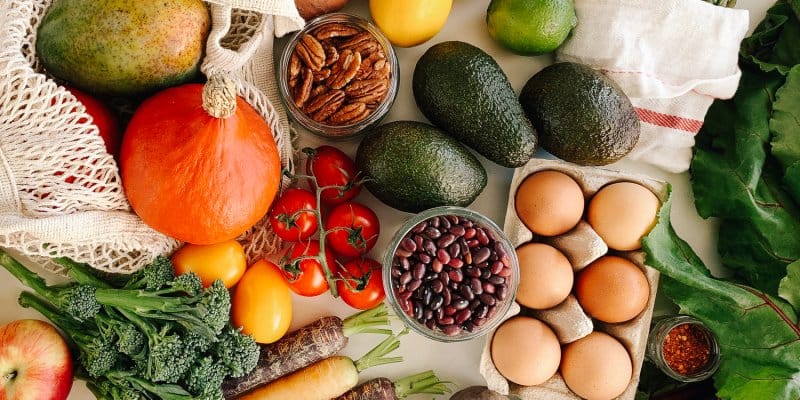
Reported by MindBodyGreen.
Your gut contains trillions of microorganisms, and science keeps finding new reasons to take that ecosystem seriously. A study published in Nature has identified a surprisingly direct chain reaction: the choline you eat feeds certain gut bacteria, which then produce a chemical messenger that strengthens your intestinal immune system. According to MindBodyGreen, the research points to a specific, previously underappreciated nutrient as a key player in gut immune defense.
The mechanics are worth understanding. Acetylcholine (ACh) is a chemical your body already uses for nerve signaling, muscle movement, and memory — but this study reveals that certain gut bacteria can synthesize it too, provided dietary choline is available. Two strains were central to the findings: Bifidobacterium breve, dominant in the gut during early life, and Pediococcus pentosaceus, a probiotic found in fermented foods. Crucially, this conversion only occurred inside living bodies — bacteria grown in standard lab conditions without dietary choline produced no ACh at all, which is exactly why so much microbiome research has missed it.
What Bacterial ACh Actually Does for Your Immunity
When mice were colonized with ACh-producing B. breve, three things happened: intestinal IgA levels rose (IgA is the antibody that lines the gut and distinguishes harmless microbes from actual threats), the overall microbiome composition shifted, and the mice showed greater resistance to gut infection. IgA is essentially your gut's first line of defense — when it's robust, pathogens have a much harder time taking hold. The fact that bacterial ACh production directly boosts it adds a new dimension to how we think about the diet-microbiome-immune axis.
The study was conducted in mice, and human confirmation is still needed. But the specificity of the mechanisms — identified enzymes, measurable IgA outcomes, infection-resistance data — makes the findings credible enough to act on now. The practical translation isn't complicated: eat choline-rich foods regularly (eggs, especially the yolk, liver, salmon, and legumes are your best sources), build microbiome diversity through a fiber-rich diet that supports strains like B. breve, and incorporate fermented foods — kimchi, sauerkraut, certain aged cheeses — that carry Pediococcus strains. These aren't new recommendations, but now there's a more precise biological reason behind them.
The choline on your plate isn't just fueling your own nervous system — it's feeding a microbial process that actively shapes how well your gut defends you.
Read the original at MindBodyGreen.