Everything You Need to Know About Stockholm Fashion Week, 2026
Reviews and reflections from 2026 Stockholm Fashion Week
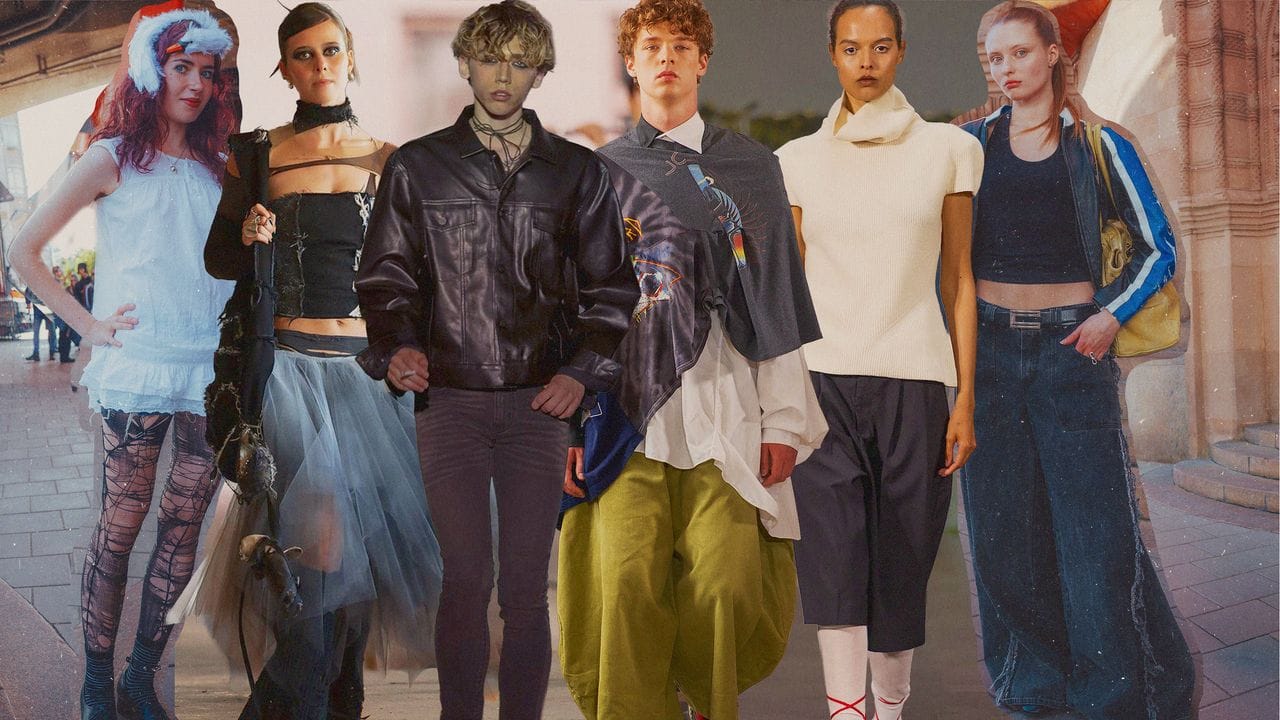
Reported by Vogue.
Stockholm has never been shy about contradiction — the country that gave the world Acne Studios and quietly bankrolled a generation of Paris darlings is now turning its gaze homeward. STHLMFW 2026, the relaunched iteration of a fashion week that went dark in 2019 after COVID and talent drain hollowed it out, made one thing unmistakably clear: Sweden's underground has been building pressure for years, and it's finally found a release valve.
According to Vogue, the Association of Swedish Fashion Brands — rebranded as STHLMFW with government backing — relaunched the event last year under director John-Jamal Gille with a stated mission to "rebalance the spotlight, not by excluding anyone, but by making room for those who haven't had it yet." That translated to a tight, two-and-a-half day schedule weighted toward emerging Södermalm talent, the kind of anti-establishment energy you'd expect from fashion's answer to Brooklyn. The tradeoff: uneven quality and a narrow lens on an industry that's actually much wider. Seeing Dagmar alongside DSTN, for instance, would have told a fuller story.
The Street and the Runway Were the Same Thing
The blurring of runway and street wasn't accidental — it was structural. These designers are largely speaking directly to their own communities, which explains why the looks walking outside mirrored the ones going down the catwalk. Self-taught half-American designer Dustin Glickman drew a crowd already dressed in the Western aesthetic he was proposing, and he's selling the collection via pop-up this week. Meanwhile, Peter Jansson — the St. Martin's grad who helped launch Cheap Monday and Weekday over two decades ago — closed the loop on skinny jeans with a Hacienda-inspired show that doubled as a meditation on indie sleaze. His theory on why the slim cut is back: "Almost all 18-year-old kids now have a mom with wide jeans, and you don't want to look like your parents." Rebellion is always cyclical; the silhouette just changes.
The standouts were specific and personal. Leoní, founded by Central St. Martin's grad Filippa Fuxe and retail veteran Nathalie Schuterman, offered the week's only true minimalism — a fall collection rooted in inheritance and body casts, inspired by the poems of Fuxe's ancestor, Swedish poet Karin Ek, and reconstructed from her grandmother's 1930s wardrobe. Maddwoo's Madeleine Woo, a principal dancer with the San Francisco Ballet, brought gothic, grunge-inflected balletcore to the runway — a direct rebuke to ballet's demand for physical perfection. "It strips away all individuality," she said. Her fans already know; wearing the brand takes nerve. Then there's Bewider's Jansson, who relaunched the label after a brain cancer diagnosis and recovery that brought him back to sewing — opening his show with an opera singer performing New Order's "Love Will Tear Us Apart" over a runway of deliberately distressed skin-baring looks.
STHLMFW is still mid-transformation, and ASFB chairman Michael Elembeck knows it — telling Vogue the ambition is not to replicate existing fashion week capitals but to ask what Stockholm alone can contribute. Journalist and influencer Emma Frisdell put it best when she described the street style energy as a recapture of something that's gone missing from the major weeks: people knitting their own dresses, wearing their grandmother's '70s Dolce & Gabbana, earning an international stage on pure passion alone.
Stockholm isn't trying to be the next Copenhagen — it's trying to remember what made it interesting before it started exporting all its best ideas.
Read the original at Vogue.