Fashion Has Officially Infiltrated Milan’s Famed Furniture Fair
Salone del Mobile, staged during Milan Design Week, has become a magnet for fashion brands hoping to lure in design-conscious consumers.
Reported by Vogue.
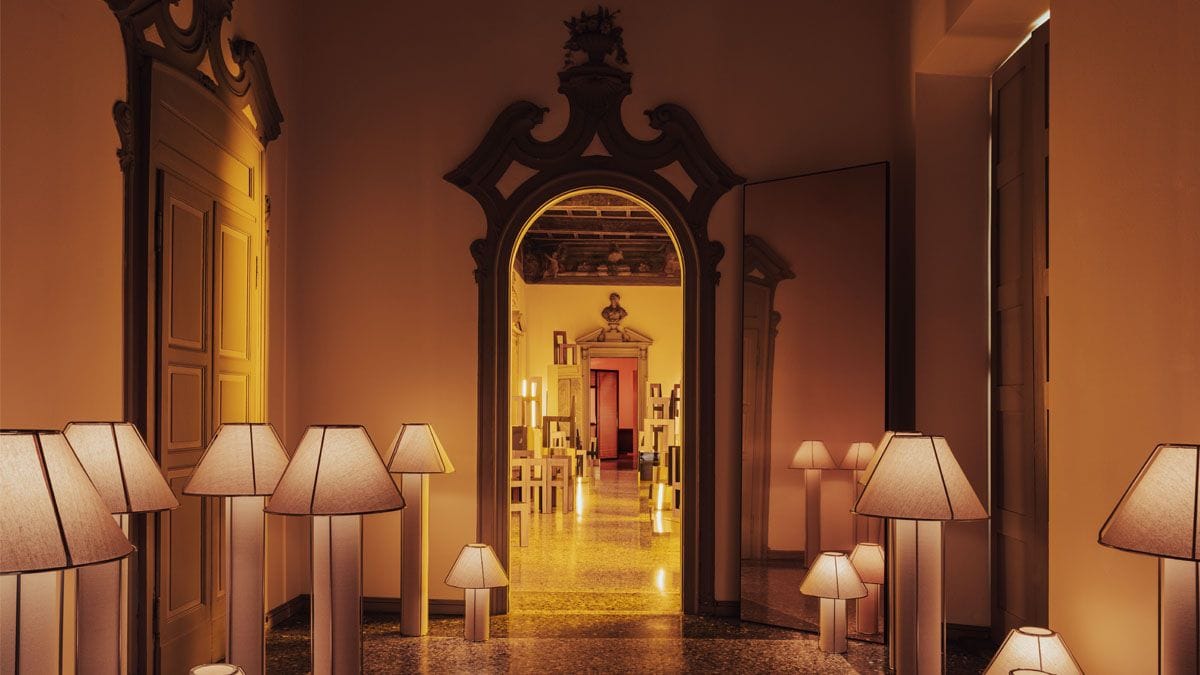
Milan Design Week has become fashion's favorite second home. Every April, luxury brands descend on the furniture fair with the same intensity they bring to their own runway seasons—only with more beads, more installation art, and considerably more confusion about what they're actually selling. This year, over 30 fashion houses showed up to play, transforming Salone del Mobile from a design purist's paradise into what one attendee described as an oversaturated marketplace of competing agendas.
The infiltration isn't subtle. Dior, Prada, Hermès, Gucci—the usual suspects arrived with activations, pop-ups, and enough press releases to choke a design blogger. According to Vogue, Tank Magazine CEO Caroline Issa, a serial Salone attendee, notes that fashion brands have packed the schedule with the same fervor they bring to fashion week itself. But hype doesn't equal credibility. "Sometimes, the fashion activations can feel too gimmicky or overwrought, too tangential, without the credibility to feel authentic," Issa says. Translation: some brands are here for the optics, not the ideas.
Authenticity Over Spectacle
The winners this year weren't the ones screaming loudest. They were the ones with actual craft to back up the concept. Tod's reimagined its signature Gommino loafer through the lens of Italian design legends—one pair riffing on a 1981 Memphis Milano table, another inspired by a Gaetano Pesce chair. Bottega Veneta commissioned a leather installation by Kwangho Lee. Armani resurrected 13 historic pieces from its founder's archive just months after his death. Fendi hosted a bead-sewing masterclass that was less about flashiness and more about the thousands of hours required to complete each Baguette bag by hand. These weren't gimmicks; they were arguments for why these brands belong at a design fair in the first place.
Luxury strategist Doina Ciobanu observed a crucial shift: brands prioritized existing customers and exclusive experiences over broad awareness campaigns. VIPs got private, tailored access—the kind of intimacy that translates into actual loyalty. Jil Sander's Reference Library, a darkened installation of rare books curated by everyone from Sofia Coppola to Hans Ulrich Obrist, positioned the brand as a patron of intellectual culture rather than just another fashion house playing dress-up. Prada's fifth-year symposium tackled AI, political imagination, and the politics of imagery—heavy lifting that justified their seat at the table.
The real lesson isn't that fashion doesn't belong at design week. It's that brands can't just show up with a tent and call it cultural participation. The ones that thrived weren't selling clothes or furniture—they were selling conviction, craftsmanship, and the kind of intellectual rigor that makes people forget they're being marketed to in the first place.
Read the original at Vogue.