French Blending Is the Low-Maintenance Answer to Embracing Your Gray Hair
What is French blending? Here, experts break down the coloring technique and help you decide if this is the right option for you and your grays.
Reported by Vogue.
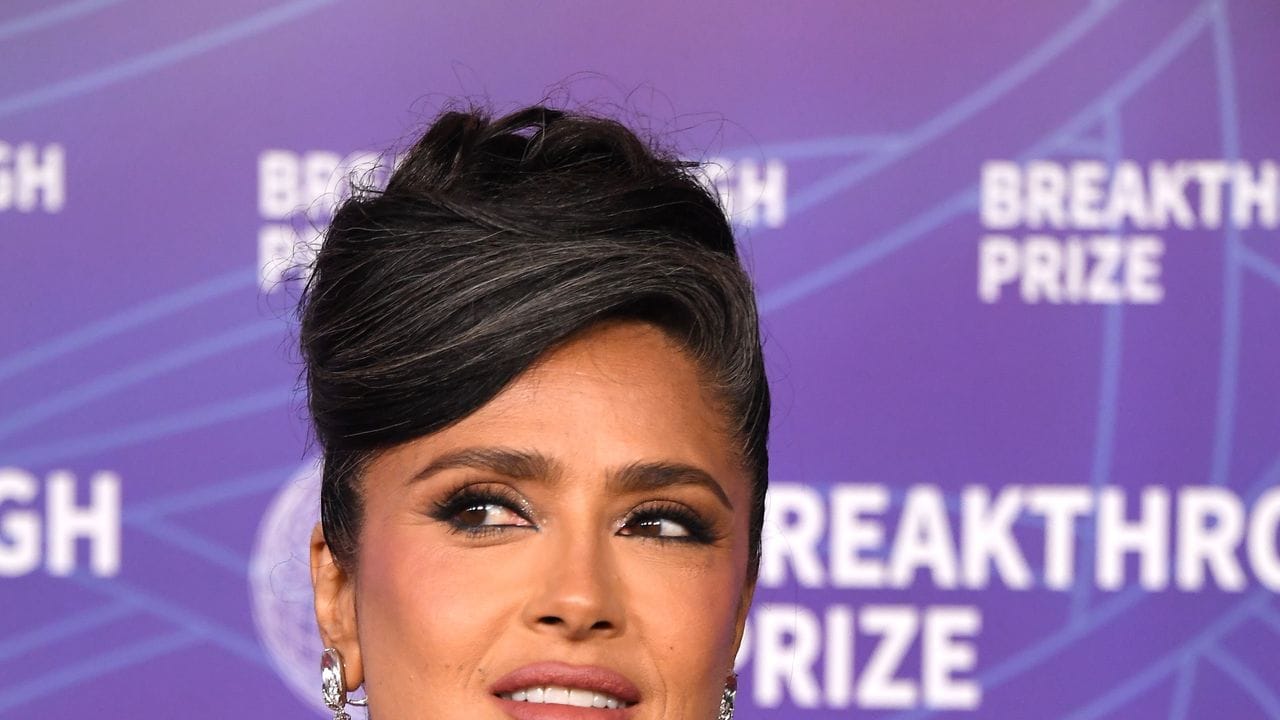
Gray hair has officially stopped being something to hide. The shift from coverage to celebration has spawned a whole new vocabulary around going silver gracefully—and the latest word everyone's repeating is "French blending." According to Vogue, this L'Oréal Professionnel color technique ditches the old hide-it-all approach in favor of something subtler: strategically placed color that melts your grays into the overall picture rather than wrestling them into submission.
The philosophy is refreshingly modern. "Instead of covering grays, we blend them into the overall color using depth and dimension," explains L'Oréal ambassador Krista Bartik. What makes French blending feel more elevated than basic gray blending is the precision of placement—think of it as hand-painted rather than blanket coverage. But here's the real selling point: it's genuinely low-maintenance. You're not signing up for root touch-ups every four weeks; you're creating a look that's designed to age gracefully as new growth comes in.
The Breakdown Depends on Your Grays (and Hair Type)
Bartik breaks French blending into three categories. First blending is for when silver is just starting to show—soft lowlights woven through. Retouch blending maintains that blended vibe as regrowth happens, softening the root line. Total blending goes all-in, hitting your whole head with balayage and dimension for maximum impact. Celebrity colorist Kadi Lee notes that while the technique adapts across hair textures, the application shifts. Fine, straight hair needs delicate, minimal highlights to avoid harshness. Wavy hair is forgiving—the natural bend does half the work for you. And curly or coily hair? Honestly the most forgiving of all, since the curl pattern creates built-in dimension that makes color placement less precise.
One thing all colorists agree on: whether you're blending grays or keeping them fully natural, the upkeep matters. Gray strands tend to be drier, coarser, and prone to yellowing, so moisturizing masks, regular salon glosses, and the occasional violet shampoo will keep everything looking intentional rather than neglected. The real takeaway from celebrity colorist Jenna Perry sums it up best—the better question isn't which technique to choose, but whether you trust your colorist to execute it.
Gray blending only works if the person holding the brush actually knows what they're doing.
Read the original at Vogue.