From the Archives: Jean Stafford on Norman Mailer’s Prurient Marilyn Monroe Biography
“Norman Mailer should be bull-whipped for what he did to Marilyn Monroe,” wrote Stafford in 1973.
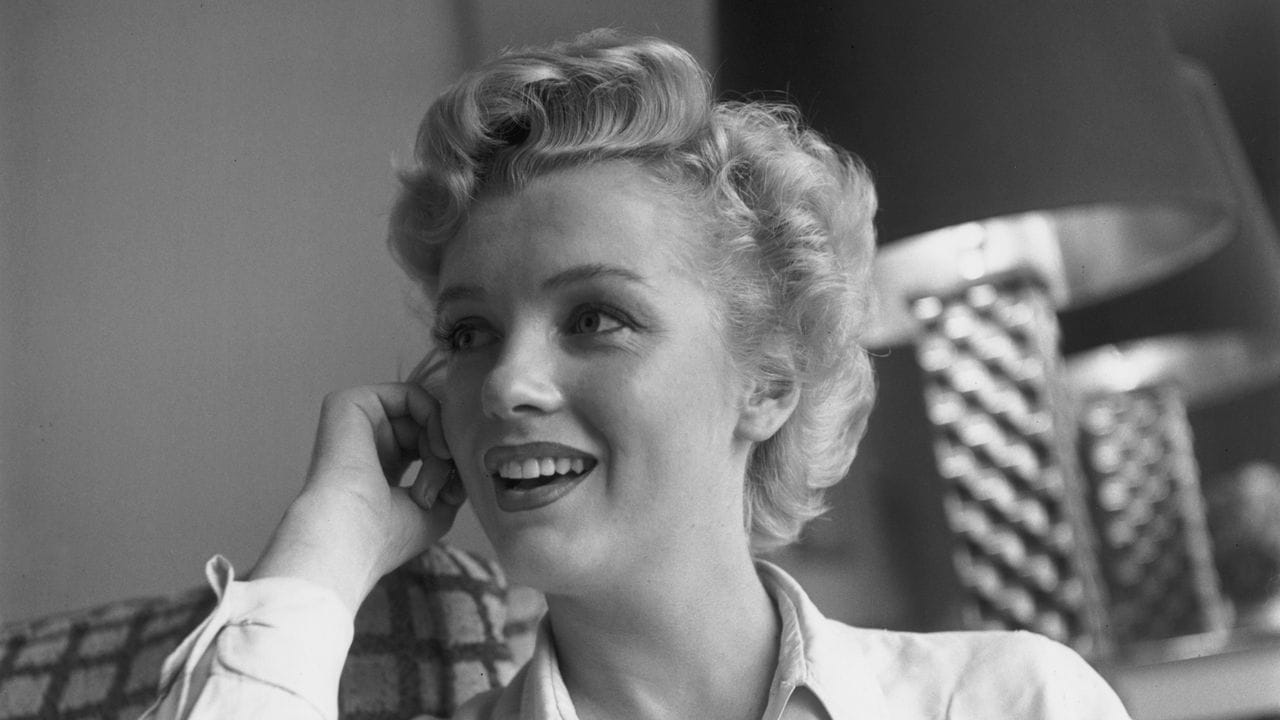
Reported by Vogue.
There is a particular kind of literary audacity that mistakes volume for insight — and Norman Mailer's Marilyn is a masterclass in it. According to Vogue, the 1973 para-biography arrived as a lawsuit-threatening, critic-stumping event: a glossy, oversized volume published by Grosset & Dunlap, wrapping Mailer's prose around photographs by two dozen photographers, some nearly as famous as Monroe herself. The book made noise. It did not, necessarily, make sense.
The piece that ran alongside it was written by Jean Stafford — who, unlike Mailer, had actually met Marilyn Monroe. Twice. Once in early 1950s Westport, Connecticut, where a makeup-free Monroe arrived at a Long Island Sound property to learn water-skiing and made, Stafford observed, almost no impression whatsoever — unremarkable face, disheveled hair, the general appearance of, as Stafford memorably put it, a Slavic waitress on her day off. The second sighting was a decade later on the Nevada set of The Misfits, where Monroe had transformed into something ethereal and heartbreaking — visibly ravaged from the inside, but luminous enough to trigger a protective instinct in even the coldest observer. The contrast between these two encounters is quietly devastating, and Stafford deploys it precisely to ask the obvious question: what exactly qualifies Mailer to write Monroe's definitive biography when he never shared a room with her once?
The Problem With Mailer's Marilyn
Stafford's answer, delivered with surgical wit, is: not much. Mailer's book is less biography than a recycled stew of other writers' reporting — Maurice Zolotow's earlier Monroe biography among the primary sources — seasoned with Mailer's own digressions on Richard Nixon (invoked, per Stafford's count, approximately constantly), Method Acting, narcissism, astronauts, and his personal favorite word, "existential." He also coins "factoid" in these pages, apparently so pleased with himself that the word appears every few pages like a tic. Stafford, with characteristic dryness, notes the supply vastly exceeds the demand.
What makes the piece endure beyond its specific target is what Stafford does with Monroe herself — the real one, not Mailer's anthropological symbol for America's self-destruction. The fatherless girl shuttled between foster homes, the child bride who kept an immaculate apartment and was a terrible cook, the woman who held Arthur Miller's gaze all night at a Hollywood party and later breathlessly told her coach, "You see my toe — this toe? Well, he sat and held my toe and we just looked into each other's eyes almost all evening." The comedienne who was, in Some Like It Hot and Gentlemen Prefer Blondes, operating at a wit that was almost wisdom and chose to disguise it as ditzy. That Marilyn — specific, human, strange, and funny — keeps surfacing through Mailer's fustian despite his best efforts.
The lesson isn't that men shouldn't write about women, or that biography requires personal acquaintance — it's that prurience dressed up in intellectual vocabulary is still just prurience, and no amount of invented words will make borrowed material feel original.
Read the original at Vogue.