Getting to Know the 2026 CFDA/Vogue Fashion Fund Finalists
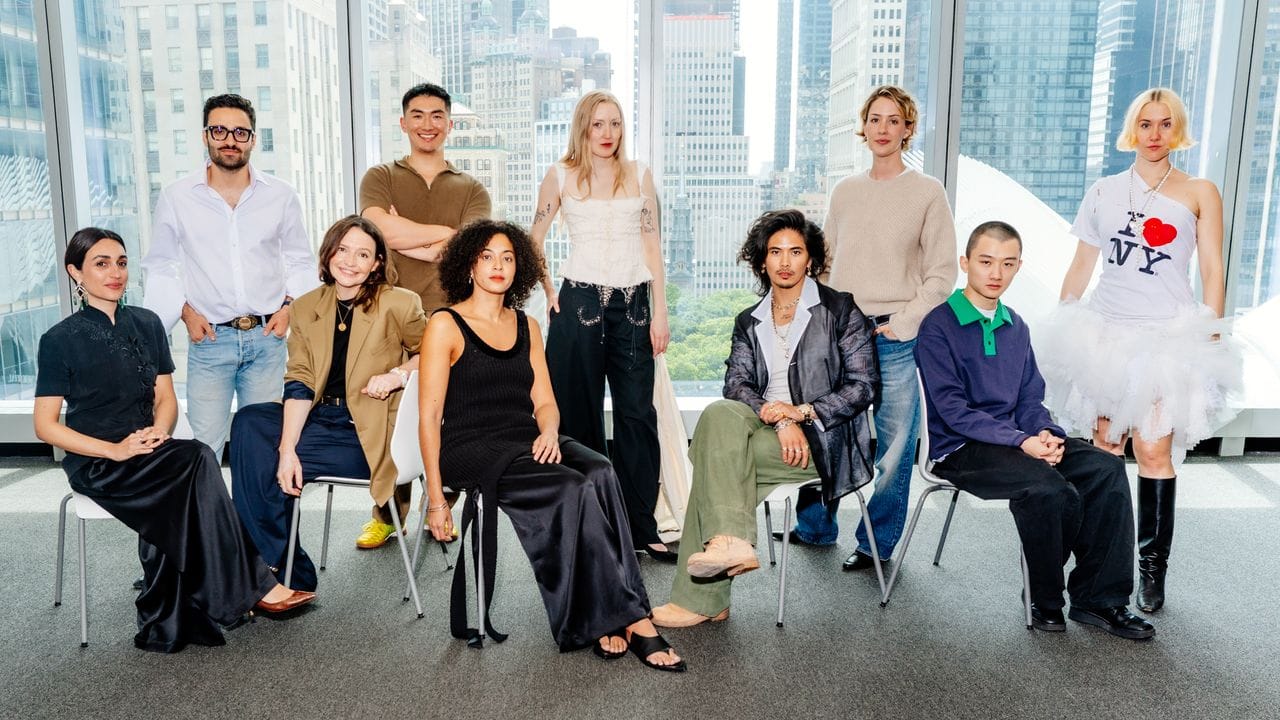
On Wednesday morning, ten designers met with the CFDA/Vogue Fashion Fund panel of judges to present their collections. Learn all about this year's class of finalists.
Reported by Vogue.
Twenty-two years in, the CFDA/Vogue Fashion Fund still functions as American fashion's most credible talent incubator — and this year's finalist class might be its most compelling yet. According to Vogue, the ten finalists gathered at One World Trade Center to present their brands through a single framework: past, present, future. Past winners include Proenza Schouler, Joseph Altuzarra, and Christopher John Rogers, who this year crossed from alumni to judge.
The range across the ten designers tells you something real about what American fashion looks like right now. LA-based Jamie Haller brings decades of experience and a classic-cool point of view. Terrence Zhou of Bad Binch TongTong — whose name came partly from a friend's declaration that he'd "always been a bad bitch" and partly from a Rihanna-handle logic — built his brand during COVID with zero prior industry experience, no internships, no day job, just things he made that people wanted to shoot. He designs sculptural statement pieces worn by pop stars and holds a refreshingly grounded philosophy: "At the end of the day, it's just clothes." Amir Taghi, who traces his aesthetic instincts back to watching Iranian tailors draft patterns in his grandparents' Houston shop, later interned at Oscar de la Renta at 16 — close enough to watch the man himself name clients while color-correcting a collection. That specificity stuck. Taghi still designs that way.
What Actually Keeps Independent Designers Up at Night
Ask these designers what's hard, and the answers are more honest than you'd expect. Aisling Camps — Trinidad-born, New York-based, knitwear-obsessed, and a disciple of Alaïa's refusal to show on anyone else's schedule — names on-time payments without flinching. "I've been lucky, and I've been burned," she says, flagging it as an industry-wide awareness problem for designers without major financial backing. Taghi admits the accounting nearly breaks him. Emily Dawn Long, who has held roles at Vogue, Purple magazine, Jill Stuart, and in celebrity styling before launching her own label, describes the job as simply "nine lives" — and sounds like she'd do all of them again.
What unites them isn't aesthetic or background — it's the particular hunger of someone who had something specific to say and couldn't wait for permission. Zhou built a brand because no one was hiring. Taghi left Proenza and Monse because he had a point of view that needed its own house. Camps knits four more hoodies after her presentation, between answering questions and updating her website before a shipping deadline. The thrill, multiple finalists note independently, isn't a celebrity co-sign — it's a stranger on the street wearing a piece they actually paid for.
The CFDA/Vogue Fashion Fund has always bet on American talent before it's fully formed; what this year's finalists suggest is that the most interesting version of American fashion right now is scrappy, self-aware, and completely unbothered by the old rules.
Read the original at Vogue.