Here’s Exactly How to Start Strength Training in Midlife, According to a Trainer
A trainer shares how to lift safely, build muscle, and protect your joints.

Reported by Women's Health Magazine.
Your joints are talking to you more than they used to. Your range of motion has quietly narrowed. Your strength — the kind you never thought about because it was just there — feels less reliable. This is midlife, and it's normal. It's also not a sentence.
According to Women's Health Magazine, certified personal trainer Patricia Greaves, CPT — founder of StrongHer Personal Training and a WH Strength in Diversity alum — calls strength training in midlife "an investment in your long-term health." The case is physiological: muscle loss and bone density decline can begin as early as your 30s, and without deliberate training, what follows is a slow erosion of stability, mobility, and resilience. The body changes. The approach has to match it.
Build the Foundation First, Then Push It
Greaves is clear that beginners should resist the urge to prove something in the first session. Start with bodyweight or light dumbbells — she recommends 2 to 3 lbs for upper body, 5 to 8 lbs for lower body — and treat early workouts as a movement education, not a performance. Once 10 to 12 reps feel genuinely easy and your form is solid, increase the weight by 2.5 to 5 lbs. That principle — progressive overload — is the actual mechanism behind getting stronger. For structure, Greaves suggests three 30-minute sessions per week: one lower-body, one upper-body, one full-body, each built around three compound moves (split squats, deadlifts, overhead presses, push-ups, bent-over rows) for three sets of 10 to 12 reps. If three days feels like too much? Two sessions still move the needle. Consistency outranks ambition every time.
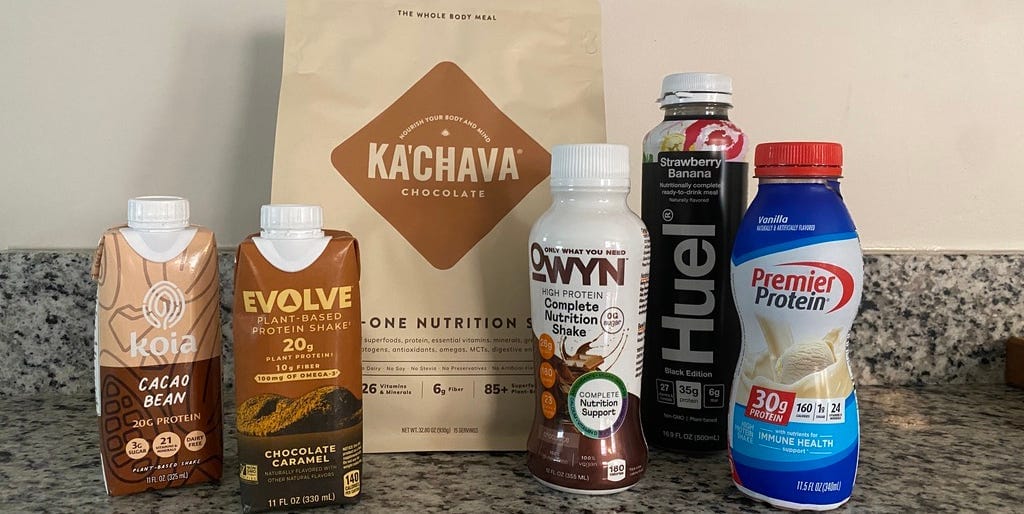
Recovery isn't a reward for hard work — it's where adaptation actually happens. Greaves recommends seven to nine hours of sleep and low-intensity movement on rest days: walking, stretching, anything that keeps circulation up without taxing the body. Nutrition deserves equal attention. Protein builds and preserves muscle; fiber supports digestion, heart health, and satiety. A practical target is 20 to 30 grams of protein per meal, with protein-rich snacks throughout the day — think eggs, Greek yogurt, cottage cheese, tofu, lean meats — alongside fiber-dense produce.
Strength in midlife doesn't look identical to strength at 25, and that reframe matters. As Greaves puts it, recognizing that difference — rather than resisting it — is exactly what keeps you consistent, progressing, and in your body for the long run.
Read the original at Women's Health Magazine.