How District Vision Created a Cult Running Brand for the Wellness Era
Running brand District Vision explores the mind-body connection via high fashion running gear. Now, it’s expanding globally via community-led stores.
Reported by Vogue.
There's a version of the running boom that's all PR stunts and Lululemon collabs. And then there's District Vision — the brand that quietly predicted everything before the rest of the industry caught up. Founded in 2015 by Max Vallot and Tom Daly, two former fashion insiders who burned out on the Saint Laurent–Acne Studios circuit, the brand started not with a funding round or a splashy launch, but with DIY meditation workshops for a New York running crew and a hunch that premium sportswear was about to have its Byredo moment.
The logic was sharp. Daly and Vallot had watched denim and fragrance undergo full premiumization in the early 2000s — integrity flooding into categories where consumers felt something was missing — and saw the same thing coming for running gear. At the time, the options were either garish performance kit or nascent luxury collabs like Adidas's Y-3 and Nike's Gyakusou line. District Vision carved out something different: technically rigorous product with the restraint and aesthetic sensibility of a fashion house. Their debut Keiichi sunglasses — hand-finished, titanium-cored, Japan-engineered, $295 — took two years to make and launched at Dover Street Market and Colette, not a sports retailer. According to Vogue, the brand also pioneered RX-integrated shield lens technology, a first for the industry.
Ten Years In, the Market Finally Caught Up
The numbers confirm what the brand's early adopters already knew. District Vision has been growing at roughly 40–50% year-on-year since 2024, entirely bootstrapped — no external funding, profitable since launch, reinvesting every dollar back into the business. The timing is not coincidental. The global running gear market is projected to hit nearly $70 billion by 2032, up from $45 billion in 2024. New running clubs nearly quadrupled in 2025 to one million, per Strava. Last week alone, a record 1.3 million people entered the 2027 London Marathon ballot. Running has become less a sport than a full identity system — and consumers are shopping accordingly, gravitating toward brands like District Vision, Satisfy, and Bandit Running that signal taste and values, not just function.
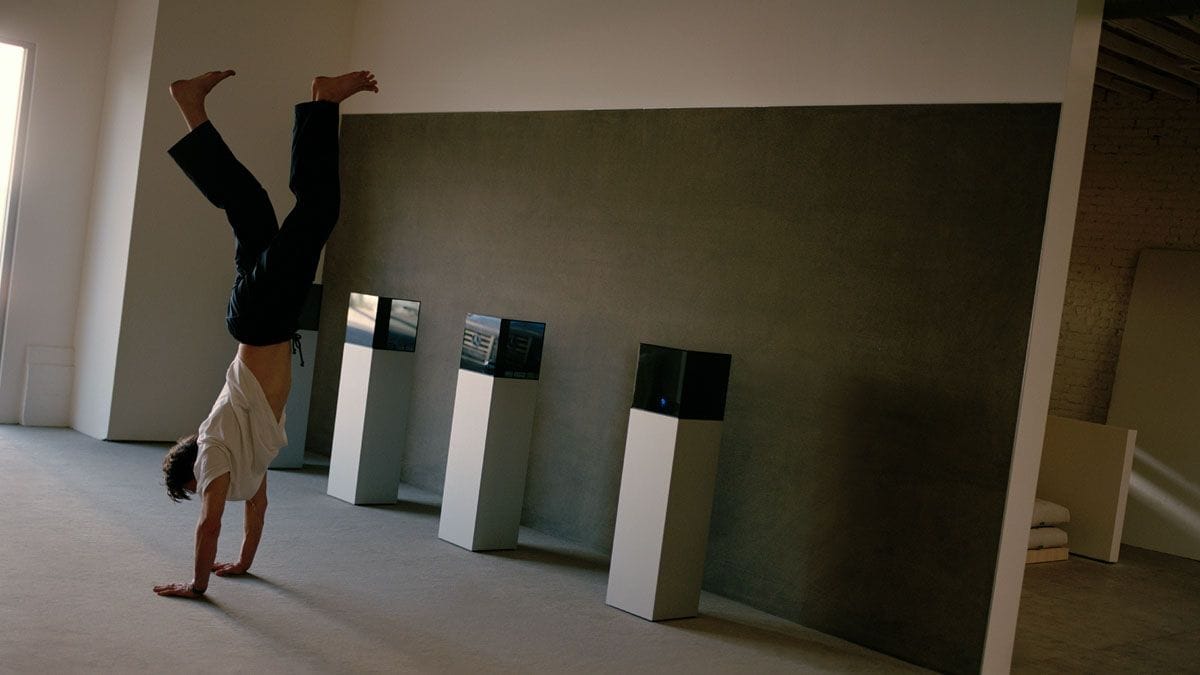
To mark their decade, Vallot and Daly just opened their first flagship on Santa Fe Avenue in LA's Arts District — a "hybrid retail and research environment" that sells eyewear, apparel, and footwear by day and hosts meditation, breathwork, and movement sessions by night. It's a physical expression of what the brand calls "human technology": the idea that mindful practice is as performance-critical as any piece of gear. A New York store is planned for 2027, with Asia — already their second-largest market — on the horizon after that. "We're using the space as more of a question mark," Daly says. Which, for a brand built on going slower and thinking harder than everyone else, sounds exactly right.
District Vision proves that the most durable thing in fashion isn't trend-chasing — it's being early, staying patient, and owning your category before the category even has a name.
Read the original at Vogue.


