How to Use Earthy Color Palettes to Make Your Home a Calm, Cozy Retreat
Interior designers share the best way to decorate with earthy colors—like sage green, olive, brown—to create a welcoming home.
Reported by Vogue.
The urge to touch grass has officially moved indoors. Earthy color palettes — think mossy greens, rich umbers, muddy neutrals, and warm browns — are dominating interiors in 2026, and the aesthetic goes far deeper than a trendy throw pillow. This is a full design mood, and it's showing up everywhere from art museums to runway looks.
According to Vogue, the cultural groundwork was laid well beyond the home: real moss, flax, and hemp have been surfacing at fashion weeks and in major gallery spaces, including a sculptural installation by artist Klára Hosnedlová at the New Museum. At least one designer sent a piece down the runway that resembled a literal wearable terrarium. When fashion and fine art are both reaching for the soil, interiors follow.
Why Muddy Tones Work Harder Than You Think
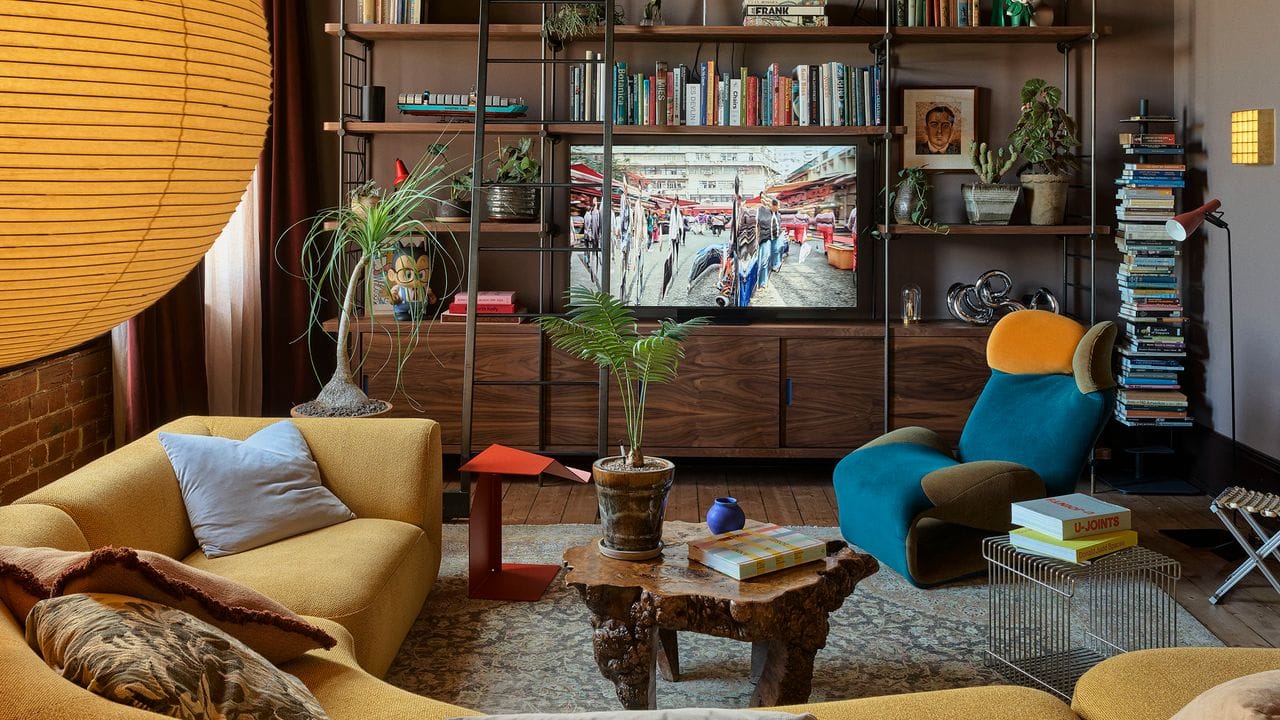
David Flack of Melbourne's Flack Studio — the designer behind Troye Sivan's home — put it plainly: "Muddy neutrals feel like a warm hug — they can command a larger space and a through-line with connecting colors throughout the home." That connective quality is what makes earthy palettes so livable. An olive sofa doesn't just sit in a room; it anchors it. A deep brown wall doesn't close a space down — it pulls it together. These tones work across rooms, across textures, across lighting conditions in a way that cooler or brighter palettes often can't.
If you're newly drawn to the look — eyeing a terracotta accent wall, or warming up a neutral reading nook with umber and linen — the smartest move is to start with one piece and let it lead. A mossy rug or an earthy statement chair gives you enough to feel the shift before committing to paint or upholstery. The palette rewards layering: the more organic materials and tonal variation you introduce, the richer it reads.
In a world engineered to keep you in artificial light and on a screen, designing a space that mimics the textures and colors of the natural world isn't just an aesthetic choice — it's a quiet act of recalibration.
Read the original at Vogue.