I Hated Running. Then I Committed to Running a Mile Every Day for a Month.
What started as a dreaded challenge became a lesson in consistency and accountability.
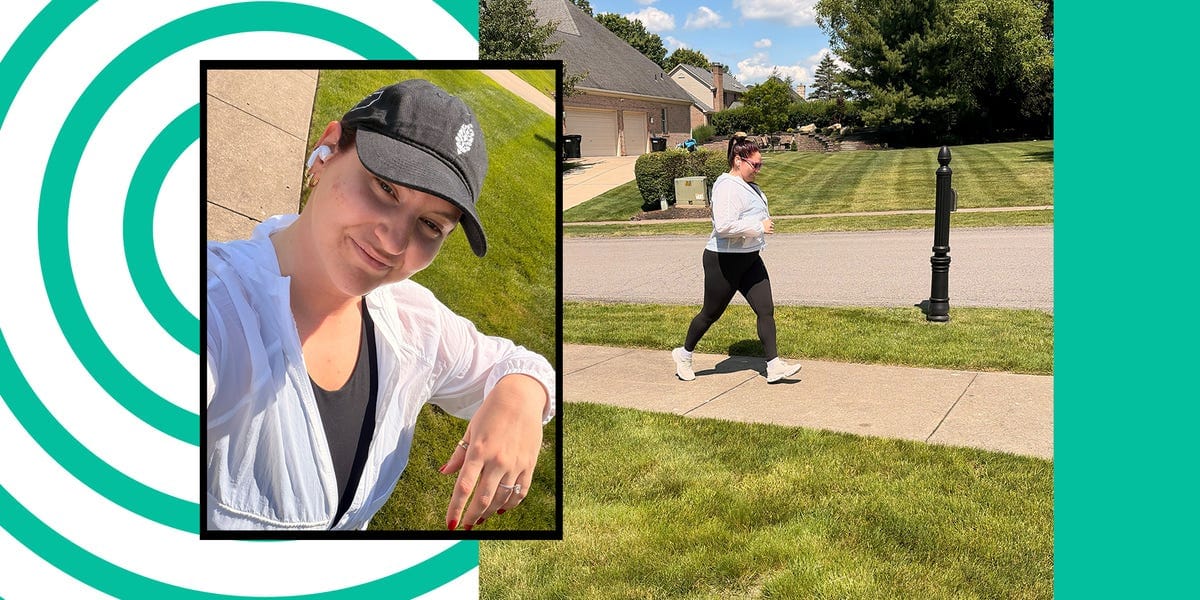
Reported by Women's Health Magazine.
There is a specific kind of dread reserved for the workout you've been avoiding so long it starts to feel like a personality trait. For one writer, that workout was running — despite a background in swimming, half marathons, and Hyrox competitions. When a coworker proposed a simple challenge — one mile a day for the entire month of April — she signed on anyway, partly out of curiosity and partly, she admits, as a form of self-imposed exposure therapy.
The early days were brutal in the most anticlimactic way. Slow times, skeptical shins, and the particularly ill-advised decision to kick off the challenge on leg day made the first week feel less like a fitness journey and less like a punishment. A weekend trip produced another rookie mistake: packing only flat, zero-drop lifting shoes for runs on gravel and concrete. For high-impact work, cushioning isn't optional — it's protective. By week two, discouragement had settled in enough that she ditched the mile-tracking entirely and switched to running for 15 minutes straight, pace optional. That single mental reframe — removing the performance metric — turned a grinding obligation into something manageable. She started throwing in intervals: two minutes easy, one minute hard, thirty seconds all-out. The time moved faster. So, eventually, did she.
What a Month of Daily Miles Actually Does to Your Body
According to Women's Health Magazine, the benefits that emerged mid-challenge were real: improved energy, easier conditioning sessions, less joint stiffness, and better digestion. But cumulative fatigue showed up just as reliably. Shin pain crept in around week two and never fully resolved — a mild case of shin splints that came from daily impact without adequate recovery. Lower-body strength sessions started to suffer. Late-night runs in the city became a safety concern. One missed day led to a compensatory three-mile run the next morning. The final week, sandwiched between travel and exhaustion, felt less like triumph and more like survival.
Three things landed as genuine takeaways. First, human accountability — not an app, not a coach call, but a real person texting you proof of their run every single day — is the difference between quitting on day three and finishing. Second, consistency is a skill worth training separately from performance; chasing pace from day one is how you demoralize yourself before the habit even forms. Third, flexibility isn't a loophole — swapping a painful run for fifteen minutes on a bike would have preserved both the streak and the body, and that trade is always worth making.
She finished. She kept running after April ended. She still doesn't love it — but the fear is gone, and that was the whole point.
Sometimes the workout you've been avoiding the longest is exactly the one worth starting.
Read the original at Women's Health Magazine.