I Tried 5 Blood Sugar Hacks — Here’s What Worked According To My CGM
I wore a continuous glucose monitor to test popular blood sugar hacks from apple cider vinegar to post-meal walks. Here’s what made a difference & what didn’t
Reported by MindBodyGreen.
Blood sugar balancing has taken over wellness discourse, and with it has come an avalanche of food rules that make eating feel like defusing a bomb. One health editor decided to cut through the noise the only way that actually makes sense: data. Armed with a continuous glucose monitor worn for two weeks, she tested five of the most talked-about glucose hacks in real time — tracking not just food, but sleep, movement, training, and where she was in her menstrual cycle. According to MindBodyGreen, what she found wasn't a case for restriction. It was a case for context.
First, the baseline: blood glucose is your body's primary fuel, and it rises and falls all day depending on what you eat, how you move, and how well you slept. Carbohydrates break down into glucose, insulin shuttles it into your cells, and the goal isn't a flatline — it's a gentle rise and a smooth return to baseline. When spikes happen repeatedly and aggressively, cells can stop responding to insulin efficiently, setting the stage for energy crashes, cravings, brain fog, and longer-term metabolic issues. The fix, it turns out, is less about cutting and more about building smarter.
What the CGM Actually Confirmed
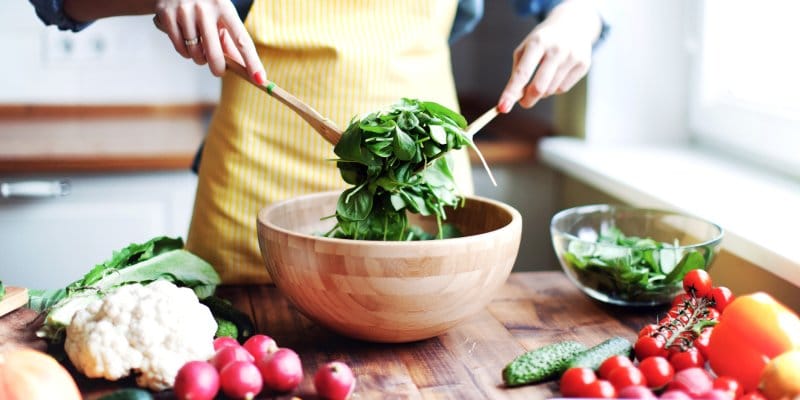
Of the five hacks tested — apple cider vinegar before meals, eating cooked-and-cooled carbs (which increases resistant starch and slows glucose absorption), pairing carbs with fat, fiber, or protein, eating vegetables first to create a fiber barrier, and taking short post-meal walks — the results were revealing. The carb-pairing strategy proved consistently effective: adding butter to potatoes, hemp seeds to oatmeal, or enough protein to any meal visibly softened glucose curves and eliminated the crash-and-crave cycle. Counterintuitively, whole milk in a cappuccino performed better than skim, because fat slows absorption. The cook-and-cool method for carbs like rice and pasta also produced noticeably flatter spikes compared to eating the same foods fresh, a finding backed by research on resistant starch and gut microbiome support.
But the clear winner? A five-to-ten-minute walk after eating. Meals that typically pushed glucose to 130–140 mg/dL barely reached 110 mg/dL when followed by a short stroll. Movement recruits muscles to absorb glucose directly, reducing the insulin load and producing a dramatically smoother curve. It's free, it requires no equipment, and it works — which makes it the most practical recommendation to come out of two weeks of biometric self-experimentation.
The deeper takeaway is that blood sugar is profoundly individual — the same meal can hit differently depending on stress, hormones, sleep, and a dozen other variables. Chasing a perfect number misses the point entirely. The smarter move is learning what your own patterns look like, and then asking what you can add to a meal rather than what you have to remove.
Your glucose data is feedback, not a verdict — and a post-dinner walk might be the most effective wellness habit you're not taking seriously yet.
Read the original at MindBodyGreen.