Icing Injuries Could Slow Recovery, But It’s Complicated
New research raises big questions.
Reported by Women's Health Magazine.
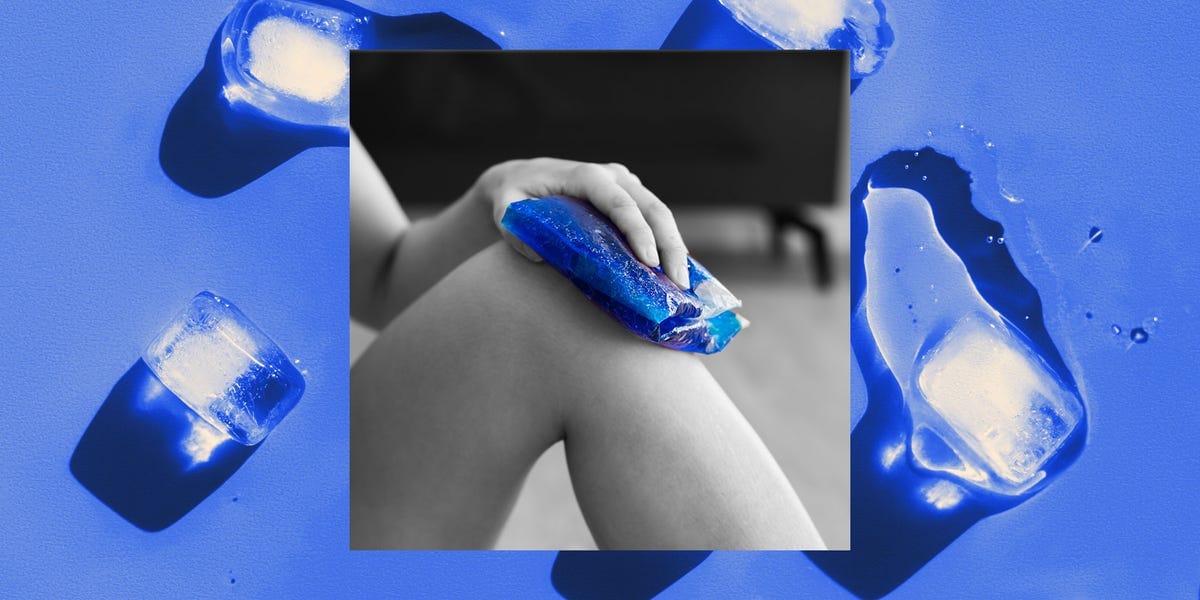
The ice pack has been a first-responder staple for so long it feels like medical fact — twist your ankle, reach for the freezer. But according to Women's Health Magazine, emerging preclinical research is complicating that reflex, and sports medicine doctors say it's worth paying attention, even if the science isn't settled yet.
The study, published in Anesthesiology, applied cryotherapy to injured mice over three days and found it appeared to nearly double their pain duration — from roughly 15 days to more than 30. Researchers also tested heat, menthol, and alternating temperatures as alternatives; none accelerated relief either. The authors concluded that "the use of cryotherapy should be reconsidered for the management of acute inflammatory injury." Critical caveat: this is preclinical, mouse-based research, so drawing a direct line to your sprained wrist requires some restraint.
The biological logic behind the concern, though, is straightforward. Lucas Vasconcelos Lima, PhD, study co-author and research associate at McGill University's Alan Edwards Centre for Research on Pain, explains that icing suppresses both local blood flow and inflammation — and inflammation, despite its bad reputation, is actually how your body initiates healing. Disrupt that process and you may be inadvertently extending your recovery timeline. Kyle Lau, MD, a primary care sports medicine fellow and team physician for UCLA Athletics, agrees: delaying the inflammatory cascade can translate directly to prolonged pain.
So Should You Actually Stop Icing?
Not exactly. Natasha Trentacosta, MD, sports medicine specialist and orthopedic surgeon at Cedars-Sinai Orthopaedics and team orthopedist for Angel City FC, isn't ready to retire the ice pack. Icing works as a vasoconstrictor — it limits swelling and bleeding in the acute phase, and unchecked swelling creates its own problems: pressure on the injury site, restricted mobility, compromised oxygen delivery to tissue. It also numbs pain, which has real, immediate value. Trentacosta still recommends icing right after an injury. Lau narrows it further: within the first six hours is where icing earns its keep for pain management; past 12 hours, the risk of interfering with tissue healing increases. His protocol — 10 to 20 minutes at a time, ice wrapped in a damp cloth, never directly on skin — remains the standard to follow.
The honest answer is that the ice-versus-no-ice question is still being worked out in real time, and the smartest move right now is precision over habit: ice early, ice smart, and don't assume more is better.
Read the original at Women's Health Magazine.