'In My Early 60s, I Began Losing Balance and Strength. Now, At 67, I'm Stronger Than Ever Thanks to Strength Training'
“I can now move through each day with more strength, confidence, and ease.”
Reported by Women's Health Magazine.
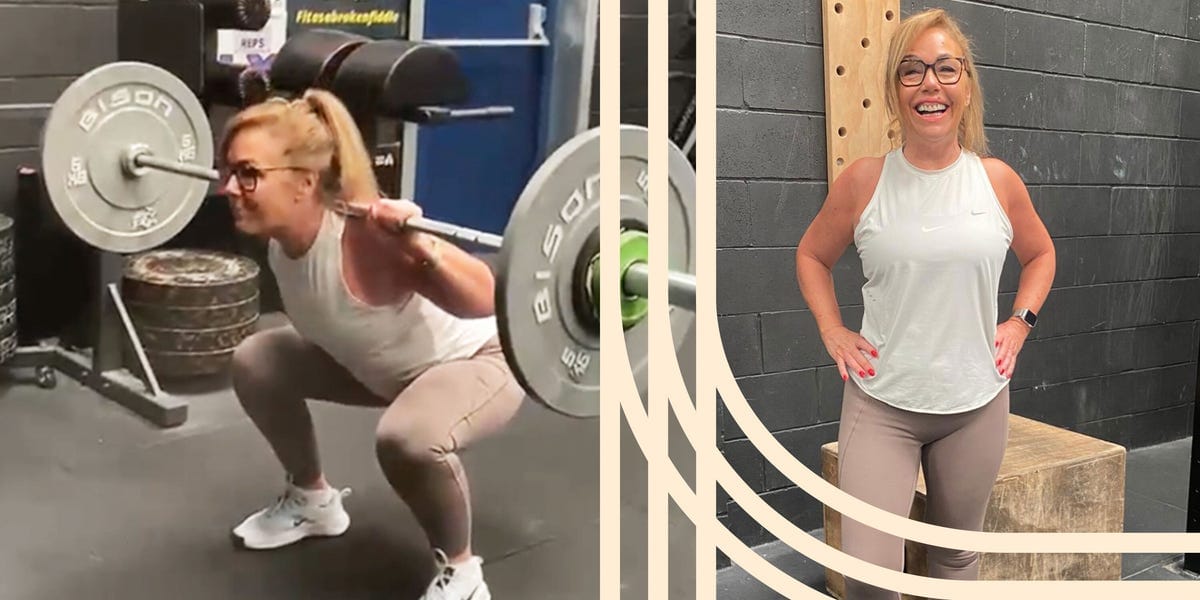
There's a particular kind of strength that has nothing to do with how much you've always lifted — and everything to do with deciding to start. According to Women's Health Magazine, one woman spent the first six decades of her life staying active through work and raising kids, but never touched a weight room. By her early 60s, she was gripping stair railings for balance and struggling to pick up her grandchildren. At 65, she finally walked into a gym. Now, at 67, she's deadlifting 148 pounds.
She began training three times a week with Angela Macleod, a certified personal trainer who specializes in menopausal women. Early sessions were bodyweight-only — squats, lunges, planks, triceps dips — focused on building form before adding 5- and 10-pound dumbbells. The soreness was real, the learning curve steep, but Macleod's coaching made her want to come back. Alongside her gym sessions, she restructured her eating: 90 to 120 grams of protein daily from lean meats, fish, lentils, and kefir, plus 20 to 30 grams of fiber from whole foods — all tracked with intention, not obsession.
What Functional Strength Actually Looks Like at 67
Her current program runs three days a week — one session with Macleod, two solo using her trainer's app — built around full-body lifts like Bulgarian split squats, deadlifts, step-ups, and incline shoulder presses, typically three sets of eight to twelve reps. She also programs plyometrics — box jumps, jump squats, single-leg hops — at least once weekly to protect bone density, which becomes critical post-menopause. On her 67th birthday, she hit a personal milestone: a 67-kilogram deadlift. She came in unable to lift 20 kilos. The math on that progress is striking.
The functional payoff is just as significant as the numbers. She no longer hesitates on staircases, hoists luggage into overhead bins without help, and keeps pace with grandchildren who have exactly zero interest in slowing down. What shifted wasn't just physical — she names the trainer relationship as a true turning point. Having someone who understood her body, pushed her with precision, and made the gym feel like somewhere she wanted to be changed her entire relationship with exercise. The accountability wasn't just about showing up; it was about believing the goal was actually hers to claim.
The lesson isn't that you should have started younger — it's that the window is not closed. Strength training in your 60s and beyond isn't maintenance; it's transformation.
Read the original at Women's Health Magazine.