In Santa Fe, a Native Fashion Showcase Celebrated Handcraft
Indigenous designers and jewelers gathered in Santa Fe this weekend to display new works—combining traditional craftwork with contemporary twists.
Reported by Vogue.
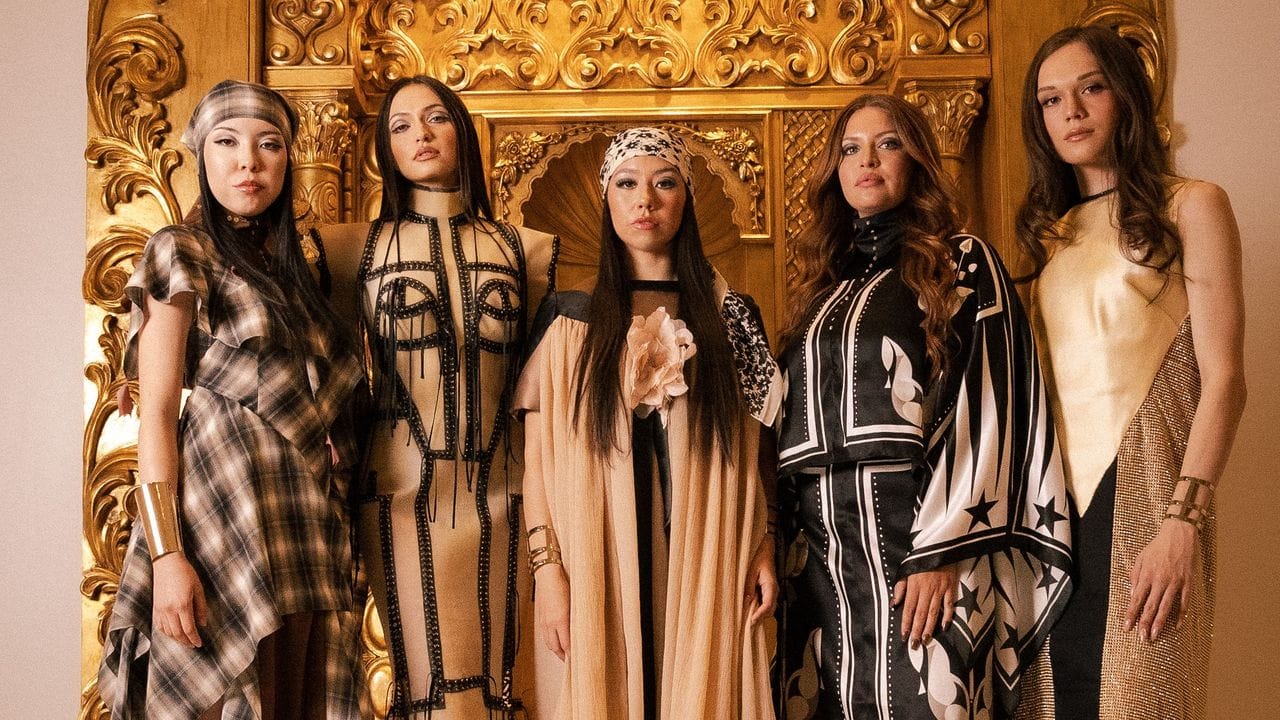
Santa Fe has long held a reputation as a cultural epicenter, but last weekend, the city's historic Eldorado Hotel became something even more electric: a full-blown Native fashion moment. The 2026 SWAIA Native Fashion Week gala drew a crowd dressed to impress — turquoise squash blossom necklaces included — for a showcase spotlighting five contemporary Indigenous designers pushing the boundaries of what handcraft can look like in a couture context. According to Vogue, the event was a deliberate effort to animate one of Santa Fe's quieter months with the kind of creative energy usually reserved for the city's legendary August Indian Market, which draws over 1,000 artists from more than 200 tribal nations.
The weekend opened Friday with a two-day Native Creatives Market inside the Eldorado — a shoppable pop-up where artists presented clothing, jewelry, textiles, and beauty products in an intimate bazaar format. Standouts included hand-appliquéd vests by Penny Singer, sculptural gold and gemstone bracelets by Kenneth Johnson, bold beadwork by Jovanna Poblano and Cole Forrest, geometric jackets by Pacha Arts, and sterling-silver rings by Cody Sanderson. Many of these makers are Indian Market regulars, but produced exclusive one-of-a-kind pieces for this smaller, more curated occasion.
The Runway
Saturday night belonged to five designers, each presenting five looks built around their interpretation of handcraft and couture. Jamie Okuma — of Luiseño/Shoshone-Bannock/Wailaki/Okinawan heritage, a 2025 CFDA/Vogue Fashion Fund finalist and the first Native designer inducted into the CFDA — opened with draped plaid gowns, graphic silk dresses, and a hand-painted Parfleche leather piece that stopped the room. Jontay Kahm, a rising Plains Cree designer, manipulated organza into feather-like silhouettes referencing powwow dance regalia — think voluminous peplum dresses and full bustle skirts with serious structural drama. Patricia Michaels (Taos Pueblo), a former Project Runway finalist, stayed true to her signature brushstroke prints, applying them to silk column dresses and airy separates, some patterns drawn from natural forms like corn. Pamela Baker (Squamish/Kwakiutl/Tlingit/Haida) brought West Coast ceremony to the floor — elegant gowns and ball skirts referencing Northwest Coast formline design, with rabbit fur and hide woven into the construction.
Closing the show was Lauren Good Day (Arikara/Hidatsa/Blackfeet/Plains Cree), whose ribbon skirts in vivid color palettes were paired with beaded moccasins, studded belts, and dentalium shell breastplates. Several of her models carried cradleboards covered in quillwork and ledger art — a quiet, powerful statement about lineage and continuity that landed harder than any finale look has a right to.
Native fashion has always been here; what SWAIA is doing is making sure the rest of the world finally pays attention.
Read the original at Vogue.