Inside the Wedding Guest Economy
As weddings evolve into multi-day, content-driven events, the modern wedding guest is spending more but demanding more value. Here’s how brands, retailers and rental platforms are keeping up.
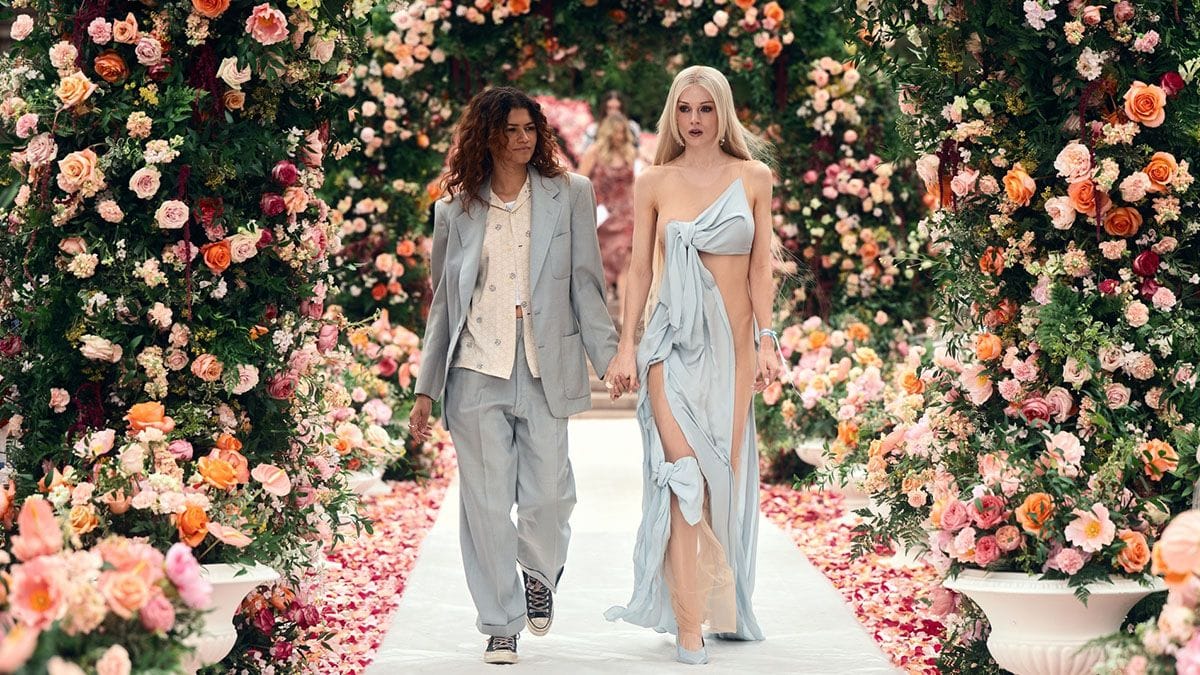
Reported by Vogue.
Let's be honest: wedding season has become an economy unto itself. Between the destination flights, mandatory bachelorette parties, and the unspoken rule that you can't wear the same dress twice, wedding guests are hemorrhaging money. A civil ceremony in London. A three-day Italian villa situation. A Miami bachelorette weekend. Each comes with its own color palette, dress code, and expectation of multiple outfit changes. And yes, the fashion industry has noticed.
The wedding guest market is officially booming, driven by social media, curated aesthetics, and a cultural shift toward multi-day celebrations that Western couples borrowed from Indian, Pakistani, Chinese, and Nigerian wedding traditions. According to Vogue, luxury event planner Matthew Shaw reports that couples are getting increasingly creative—sending mood boards and elevated dress codes that demand more than just "one dress and done." The pressure is real: influencer Greta Louise Tomé notes that guests feel obligated to post wedding content, avoid repeating outfits, and definitely not show up in the same dress as someone else. Her followers typically spend $300 to $500 and hunt for distinctive pieces—unusual necklines, unexpected textures, bold colors—anything that stands out when everyone's shopping the same platforms (Revolve, Net-a-Porter, Forward).
The Rewearability Revolution
But here's the reality: wedding fatigue is setting in. Guests are burnt out—financially, logistically, sartorially. So the market is shifting toward pieces that actually work beyond one event. Rokeya Khanum, founder of the London eveningwear brand Khanum's, designs with versatility in mind: adjustable sleeves, reversible constructions, pieces that transition from wedding to vacation to date night. Wedding guest dressing now accounts for 40% of her revenue. At Revolve, the strongest sellers are column slip dresses, fitted midis, and block-color gowns—silhouettes universal enough that customers justify higher price points. The message is consistent: rewearability drives conversion.
For price-conscious guests, rental and secondhand have become the real play. By Rotation reports that wedding guest outfits represent between a quarter and half of all rentals during peak season—the category's top performer. Why? Because guests want the thrill of a completely new outfit at a highly photographed event without the guilt (environmental or financial) of a one-time purchase. The platform tailors its strategy by event type: weekly discounts for longer destination wedding rentals, 60-minute courier service for quick domestic turnarounds.
Retailers are doubling down too. Harrods redeveloped its women's first floor to create purpose-led spaces—dedicated eveningwear rooms, wedding guest styling embedded throughout brand offerings. Online, Revolve's top navigation centers on how customers actually think: not "I need a midi dress" but "I have a black-tie wedding in Napa, a bachelorette in Miami, and a bridal shower next weekend." Trust, community, and real-life styling matter most in an oversaturated market. Brands winning are the ones making it ridiculously easy to visualize the dress in your actual life.
The wedding guest category is no longer about one perfect outfit—it's about solving a complex, multi-event puzzle without going broke.
Read the original at Vogue.