LVMH to Sell Marc Jacobs to WHP Global
By buying Marc Jacobs, New York-based brand-management firm WHP Global is adding a crown jewel to a portfolio that also includes Vera Wang, G-Star, Rag & Bone, and Express. Following the closing of the deal, WHP will form a joint venture with G-III.
Reported by Vogue.
Thirty years is a long run. LVMH has announced the sale of Marc Jacobs to WHP Global — the New York brand-management firm behind Vera Wang and Rag & Bone — in a deal valued at approximately $1 billion, according to Vogue. G-III Apparel Group, which already owns Donna Karan, is co-investing through a 50/50 joint venture with WHP Global that will hold the brand's intellectual property, while G-III takes on the operating business under a long-term licensing agreement — a structure representing roughly $500 million from G-III alone. The acquisition pushes WHP Global past $9.5 billion in global retail sales.
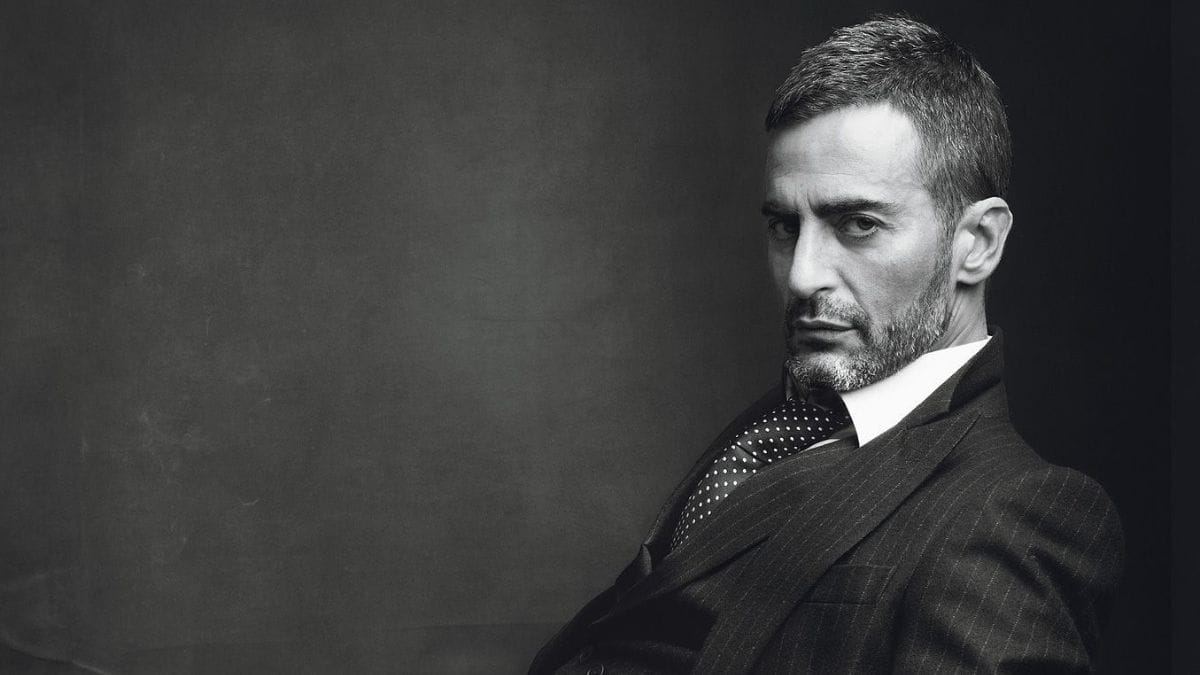
Marc Jacobs stays. The designer will remain founder and creative director, keeping his runway shows and collections intact. In a post on Instagram, Jacobs credited the deal to genuine chemistry with WHP Global chair Yehuda Shmidman and signed off with gratitude toward Bernard Arnault, who called Jacobs "a designer of rare creativity" in a statement marking the end of their three-decade partnership. G-III chair Morris Goldfarb framed the acquisition as a bet on an "iconic, globally relevant" name — which Marc Jacobs undeniably is, even if the brand sits in the accessible luxury tier where spending slowdowns hit hardest.
A New Owner, A Shifting Market
That tier matters. Unlike LVMH's ultra-high-end holdings — Loro Piana being the clearest example — Marc Jacobs is more exposed to the current luxury pullback. The brand rarely surfaced in LVMH's earnings calls, a telling signal about its relative scale inside a conglomerate built on megabrands. This sale follows a deliberate pattern of portfolio pruning: LVMH has also divested Off-White, its stake in Stella McCartney, and DFS's Greater China operations in recent years. CFO Cécile Cabanis put it plainly during a first-quarter call — when an operator offers a better landing spot for a brand, you make the deal.
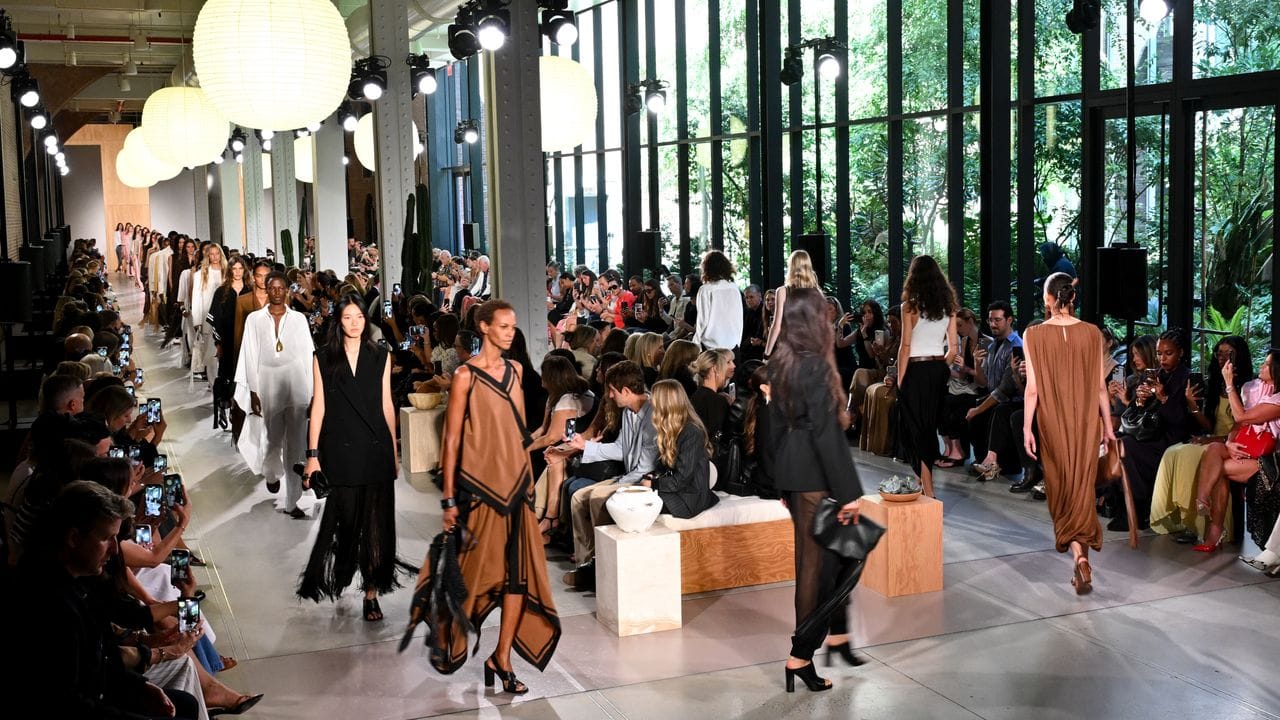
What WHP Global is inheriting is a brand with real cultural traction. Marc Jacobs has been the most directional name on the New York calendar for years, with Sofia Coppola's documentary Marc by Sofia — which premiered at Venice — cementing his legend status. Vogue Runway's Nicole Phelps noted that his Spring/Summer 2026 collection felt more restrained than his recent maximalist runs, earning a genuine "What a great show! Clothes we can wear" from Anna Sui. Heaven by Marc Jacobs, the Y2K-coded line launched in 2020, has meanwhile built a serious grip on younger consumers.
The Marc Jacobs brand was born in 1984 with business partner Robert Duffy; LVMH took a majority stake in 1997, the same year Jacobs was appointed Louis Vuitton's first creative director. What follows now is a different kind of chapter — one where the designer keeps the creative reins while new owners bet that an icon, properly managed, still has serious ground to cover.
Read the original at Vogue.