Maria Taylor’s Career Was Already Soaring—Then Motherhood Gave Her a New Kind of Power
The television host has found her calling telling the untold (and oft-overlooked) stories in sports.
Reported by Women's Health Magazine.
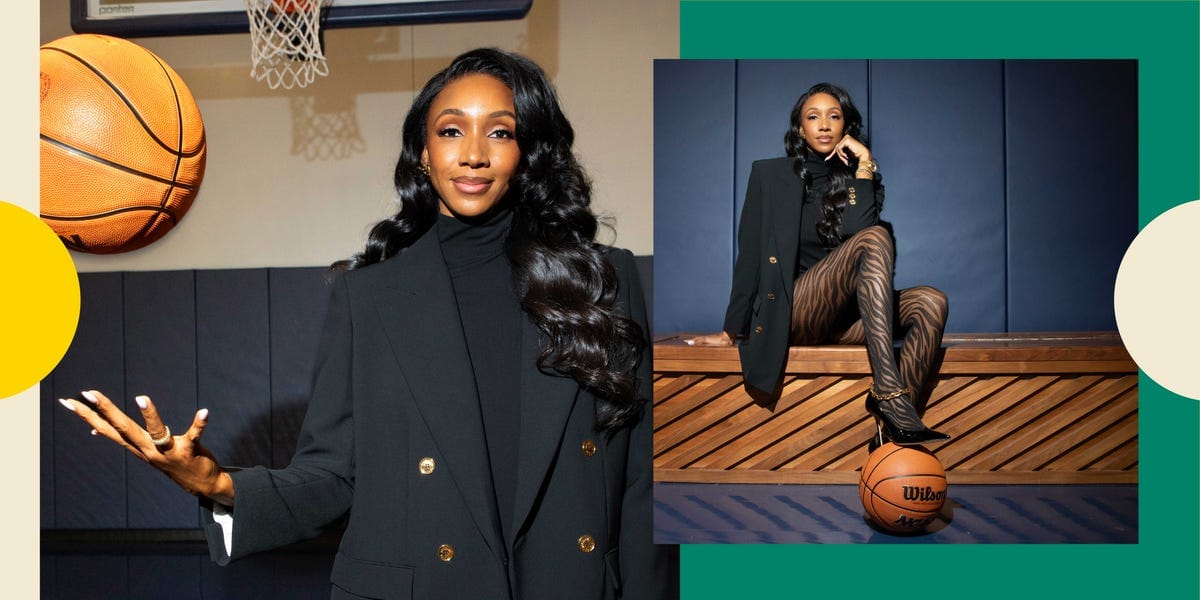
Maria Taylor has hosted Super Bowl pregame shows, anchored late-night Olympics coverage from Milan, and executive-produced a docuseries on the history of the Black quarterback — all within a single year. By any measure, she is operating at the top of her field. But according to Women's Health Magazine, it is her 2-year-old son, Roman, who quietly restructured everything. "I don't have to apologize for anything," Taylor says. "I deserve to be in the rooms. I've worked hard enough."
That conviction was forged under pressure most people will never see. Taylor's path to motherhood involved three fibroid surgeries and IVF — her first embryo transfer failed the day before the 2022 NFL Hall of Fame Game. Her protocols shifted again right before she made history as the first full-time female host of Football Night in America, leaving her at the fertility clinic in the morning and behind the desk that afternoon. Rather than unravel, she found a different gear: less self-critique, more grace. She had contractions at the anchor desk. She pumped milk on a boat in Paris minutes before interviewing LeBron James and Coco Gauff at the 2024 Summer Olympics. "I truly believe there's nothing I can't do," she says.
The Story She Was Born to Tell
Taylor grew up in Atlanta watching the 1996 U.S. women's basketball team win gold — and wanted to be one of them. She went on to play both basketball and volleyball at the University of Georgia, a dual-sport athlete who never knew life without competition. When college ended, she chose a hosting career over playing volleyball overseas, starting as a production assistant for her own alma mater. The post-athlete identity shift was rough, so she did what athletes do: she went harder, showing up to every practice, chasing every story. Her first interview with legendary Tennessee coach Pat Summitt told her everything she needed to know about her calling.
What drives her now is something bigger than career milestones. This year, Taylor became the first Black woman to present the Vince Lombardi Trophy at the Super Bowl — a fact she refuses to minimize. Her docuseries gave James "Shack" Harris, the first Black quarterback to play in the Pro Bowl, a chance to watch people thank him on camera for paving the way. "He deserves to know that what he did was important," she says. The throughline is deliberate: Taylor is not just occupying historic rooms, she is making sure the people who built those rooms finally get their credit. "If I have the opportunity to do it — and every time, I do it — that's one of the purposes I really need to serve."
She is equally committed to visibility for women in sports, arguing that the audience problem is really a distribution problem. "The product is good because the women are great — you just haven't seen them. So here you go." Taylor's daily rituals reflect the same discipline: morning workouts to stay grounded, handwritten planning to stay anchored, and a practiced trust that things unfold as they should when the day starts to spiral.
When ambition, motherhood, and history-making all land in the same body at the same time, the only move left is to stop asking for permission.
Read the original at Women's Health Magazine.