Meet the Women Reclaiming Morocco’s Rose Industry
Through cooperatives and female-led ventures, Morocco’s rose harvest is slowly returning to the hands of the women who have sustained it for generations.
Reported by Vogue.
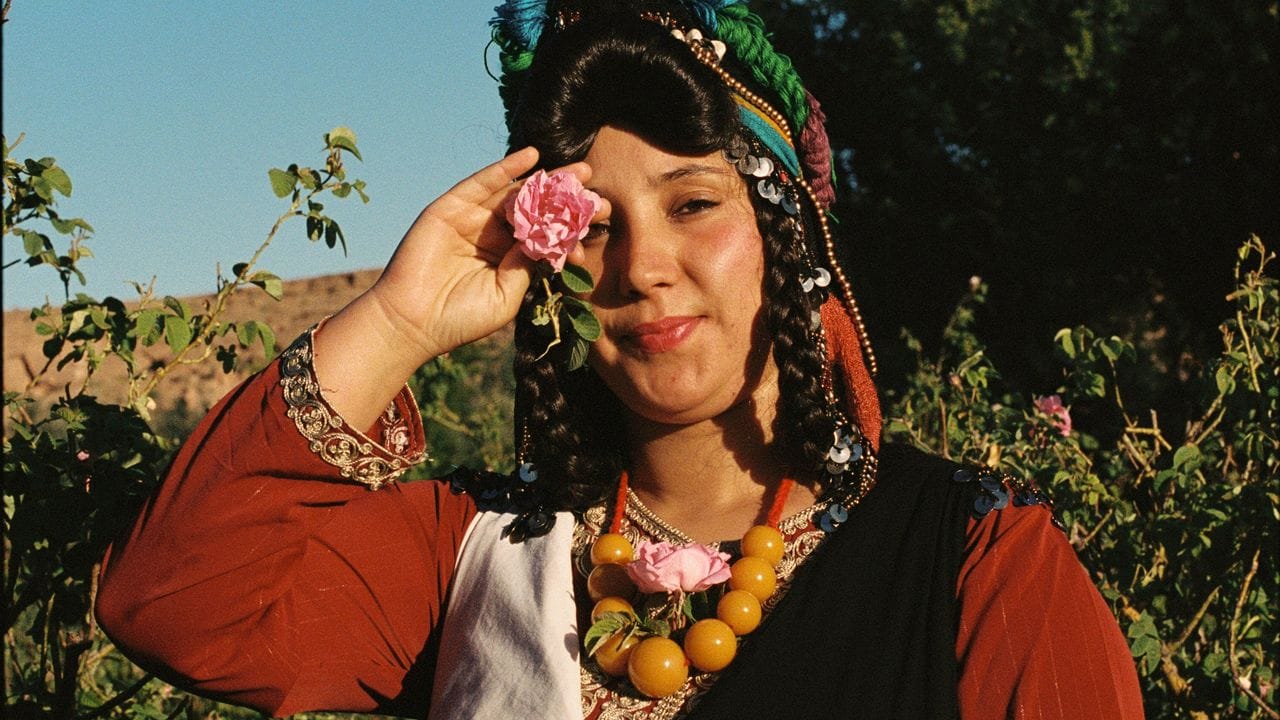
Every April, before the sun crests the mountains above Kelâat M'Gouna, women are already in the fields. Fingers moving fast through rows of Damask rose, filling baskets sewn from their own tachtat dresses — this is the harvest, and it has belonged to women for centuries. Yet for most of that time, the profits did not.
According to Vogue, no one knows precisely when the Damask rose arrived in Morocco's Valley of the Roses, though legend traces it to twelfth-century pilgrims from the Middle East. What history does confirm is how quickly outside interests moved to claim it. When the French Protectorate arrived in 1912, distillation factories followed — Kelâat M'Gouna in 1937, Amednagh in 1947 — buying roses from local families through middlemen at deliberately suppressed prices. The workforce was almost entirely female, the knowledge passed mother to daughter, but the economic power sat firmly elsewhere. Even after independence in 1956, that export-driven structure held. "I started around 10 or 11 years old," says picker Fatima Temaghrite, now 57. "My grandmother, my mother, and now me."
Reclaiming the Harvest
The shift has been slow, but it is real. Since 2008, Morocco's Plan Maroc Vert has seeded nearly seventy cooperatives in the Kelâat M'Gouna region alone, giving women the means to process and distil roses themselves rather than selling raw blooms at whatever price a middleman names. Researcher Nacima Mohamdi of Panthéon-Sorbonne University points to cooperatives like Les Femmes du Dadès — supporting roughly 400 female pickers, many widowed or sole breadwinners — as proof that the model works. Profits are shared equally. Women travel to national and international agricultural fairs. "Thanks to the cooperatives, a lot of women leave their village for the first time in their lives," Mohamdi says.
Individual entrepreneurs are compounding the change. Hafsa Chakibi launched her brand Flora Sina in 2018, leveraging a PhD in petroleum science to produce fully organic rose oil and paying pickers above-market rates. Temaghrite has been part of her team since 2020. Beyond production, Flora Sina reinvests profits into girls' education, artisan workshops, and school libraries. The distillation itself — steam rising through copper alembics to nearly 97°C, condensing into rose water and essential oil — is ancient; what's new is who controls it and who keeps what it earns.
The Valley of the Roses still crowns a queen at its annual festival, petals raining down on the crowd, music threading through the streets. That ritual beauty hasn't changed. What's changing is the economic reality underneath it — and if the cooperatives and the Chakibis of this industry have anything to do with it, the women who wake before sunrise to pick those roses will finally be the ones deciding what they're worth.
Read the original at Vogue.