Niche Sports Leagues Are Becoming Fashion’s Next Frontier
From Kings League to E1, brands are betting on a new generation of championships built for digital-first fandoms.
Reported by Vogue.
Sport used to be a closed room — and fashion knocked politely at the door. That dynamic is over. What's replaced it is a full-scale merger, one where a South Korean Olympic shooter can become the face of Balenciaga and a women's basketball league can hand Sephora its most innovative brand activation in years. According to Vogue, the global sports economy hit $2.3 trillion in 2025 — roughly the size of Canada's entire economy — and is on track to reach $3.7 trillion by 2030. The race to own a corner of that number is already shaping where fashion and beauty money flows next.
The leagues driving this aren't the ones your parents watch on Saturday afternoons. The Kings League, Gerard Piqué's seven-a-side soccer experiment in Spain, pulls millions of young viewers to Twitch alongside partners like Adidas and New Era. The E1 Series, an electric powerboat racing championship, counts Tom Brady, Will Smith, LeBron James, and NBA star Kyle Kuzma among its celebrity team owners — the latter invoking Michael Jordan's Charlotte Bobcats investment (bought for ~$180 million, sold for ~$3.5 billion) as the template for early-mover logic. Meanwhile, Overtime Elite is rerouting basketball's entire talent pipeline in the US, bypassing the traditional draft model entirely. These aren't side projects. They're infrastructure.
Why Brands Should Be Paying Attention — and Moving Fast
What separates these leagues from legacy institutions isn't just format — it's philosophy. Condensed gameplay, celebrity participation, and always-on content ecosystems built for TikTok and Discord mean these properties don't ask for your full Sunday; they fit inside a scroll. Women's basketball league Unrivaled is the clearest proof of concept: three-on-three play, athlete equity stakes, and a beauty partnership with Sephora that evolved from a locker room glam station to arena naming rights to a fully mobile Glam Bus Tour activating across South Florida — feeding content directly into broadcast. "It's about recognizing a gold rush moment — it's about who gets in first," says Omone Ugbome, strategist at sports consultancy Pacer. Holly Gilbertson, Pacer's managing partner, puts it plainly: watching the Premier League is expensive and inaccessible; watching the Sidemen on YouTube is free, live, and built for how Gen Z actually consumes culture.
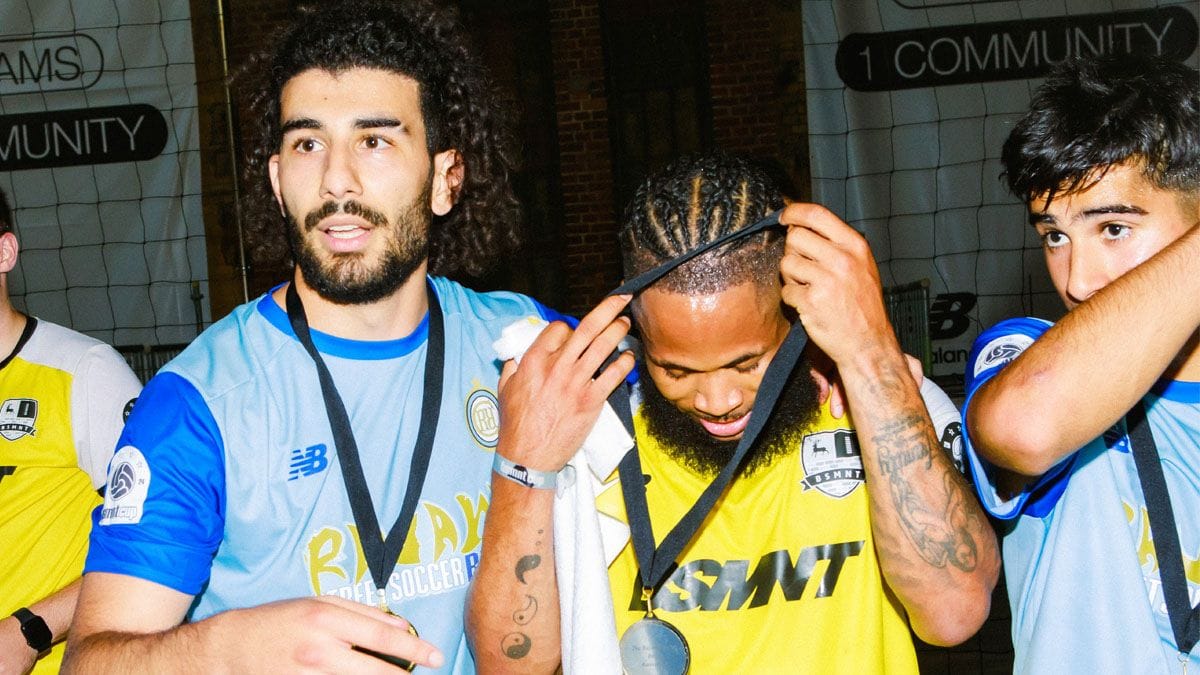
The lifestyle-to-sport pipeline is running in both directions now. Nike, New Balance, and Puma have all invested in The Basement Cup, a community soccer tournament out of London whose participants include collectives from Stüssy, Bape, and Places + Faces. "Performance lives on the pitch, but culture lives off it," says founder Alex Ropes. His point — that brands need to meet people where they already are, not drag them somewhere new — doubles as the clearest strategic advice anyone in this space has offered. And the opportunities aren't confined to stadiums: Ugbome points to a Freddie Gibbs concert built around live jiu-jitsu bouts as a preview of how niche sport bleeds into music and nightlife altogether.
The brands that treat niche leagues as a media buy are already behind — the ones building actual community stakes are writing the next chapter of sports sponsorship.
Read the original at Vogue.


