'Peloton's New Equipment Uses AI to Act Like a Built-In Coach. Here’s My Honest Review as a Trainer’
This is my honest review of Peloton IQ as a trainer.
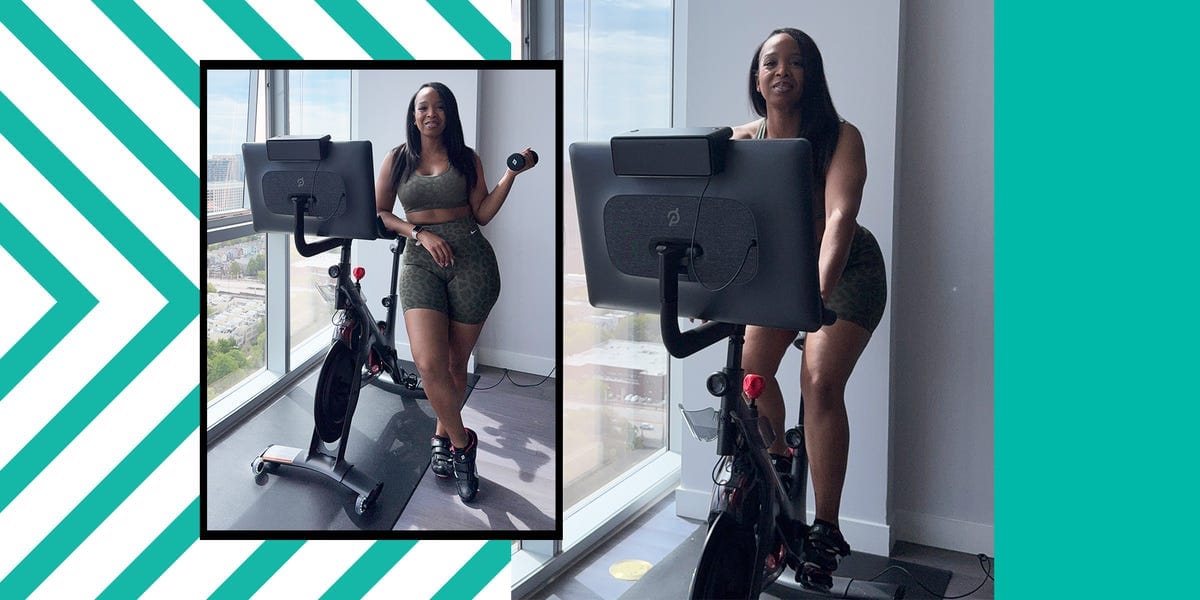
Reported by Women's Health Magazine.
Peloton has always been good at selling the feeling of being coached — the leaderboard, the instructors, the metrics that make you feel seen. Now, with Peloton IQ, the brand is leaning fully into that promise. The new AI system, built into the Bike+, uses a camera and real-time data to track your reps, correct your form, suggest weight adjustments, and let you control resistance hands-free with your voice. It's the closest a piece of home equipment has come to putting a trainer in the room with you. But does it actually deliver?
According to Women's Health Magazine, a certified personal trainer tested Peloton IQ across a full week of strength, Pilates, and cycling workouts — and the results were genuinely impressive in some areas. The split-screen view during floor-based sessions, which placed her image alongside the instructor's in real time, functioned like a live mirror. When she deliberately shifted her posture during squats and lunges, the system caught pacing and control issues, cueing her to slow down. Visual demo overlays added another layer of reinforcement. For performance tracking, Peloton IQ monitored cadence and output and nudged users to increase resistance when they were consistently breezing through reps — a feature that removes the guesswork that often derails solo training.
Where the AI Still Has Limits
The technology is not without its gaps, and a trainer's eye picks them up fast. Smaller form deviations didn't always register, and rep counting was occasionally off — logging 12 when only 10 were completed. More significantly, the system has no input field for injuries or physical limitations, meaning it can't modify recommendations based on what your body actually needs that day. There were moments during strength sets when Peloton IQ pushed for more intensity while the tester was already running on fumes. The guidance is data-driven, not body-aware — and that distinction matters.
Peloton IQ is also not compatible with every class in the library. It's built for workouts where the camera can track your movement — strength, Pilates, select cardio formats — while cycling relies on performance metrics rather than visual form analysis. Setup is straightforward, the interface isn't intimidating, and you can turn the AI off entirely if you prefer to work without the prompts. It's a thoughtful design for people who want structure but not surveillance.
The honest bottom line: Peloton IQ is a legitimate upgrade for anyone training without a coach, especially if you're newer to structured movement or tend to either sandbag your workouts or push past your limits without realizing it. It's not a replacement for the real thing — a human trainer who knows your history, your body, and when to call your bluff — but as a daily training companion, it's the most responsive home-fitness tech available right now. Use it as a framework, not a crutch, and it'll make you better.
Read the original at Women's Health Magazine.