Scenes From a Heartbreak
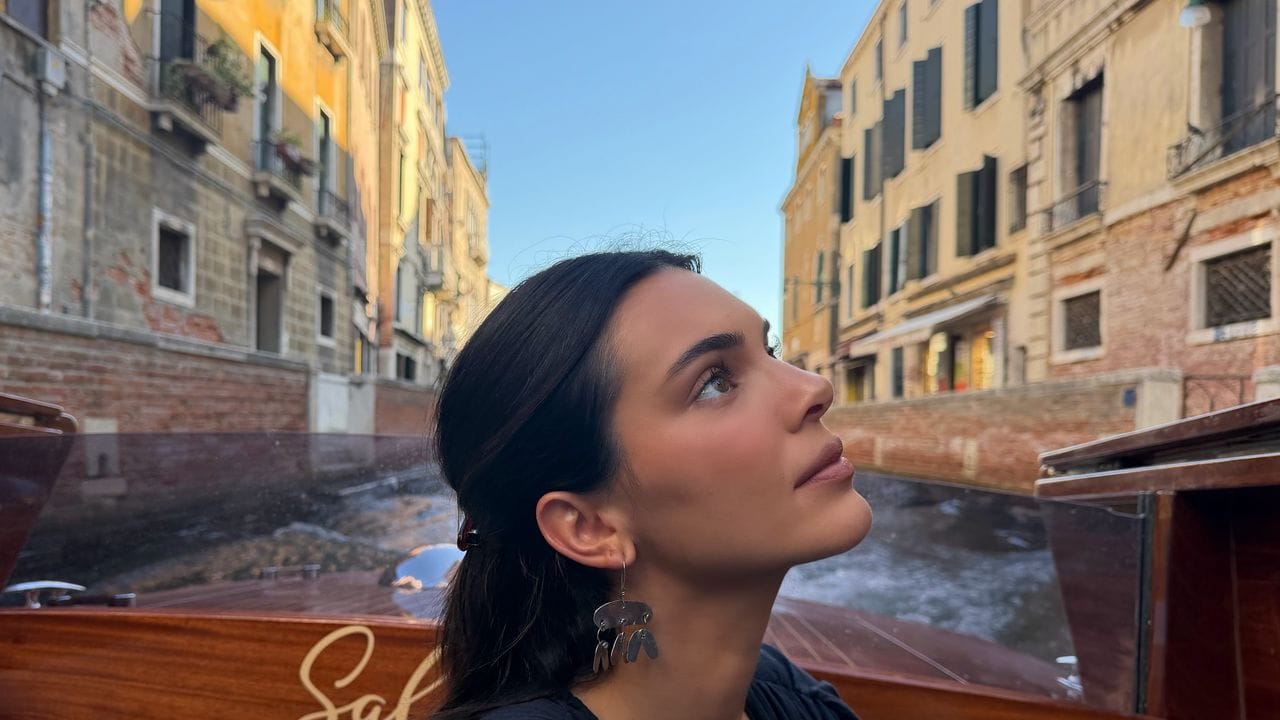
In conversation with photographer Diana Markosian on her project Replaced, now on view at Gallerie d’Italia in Turin until September 6th, 2026.
Reported by Vogue.
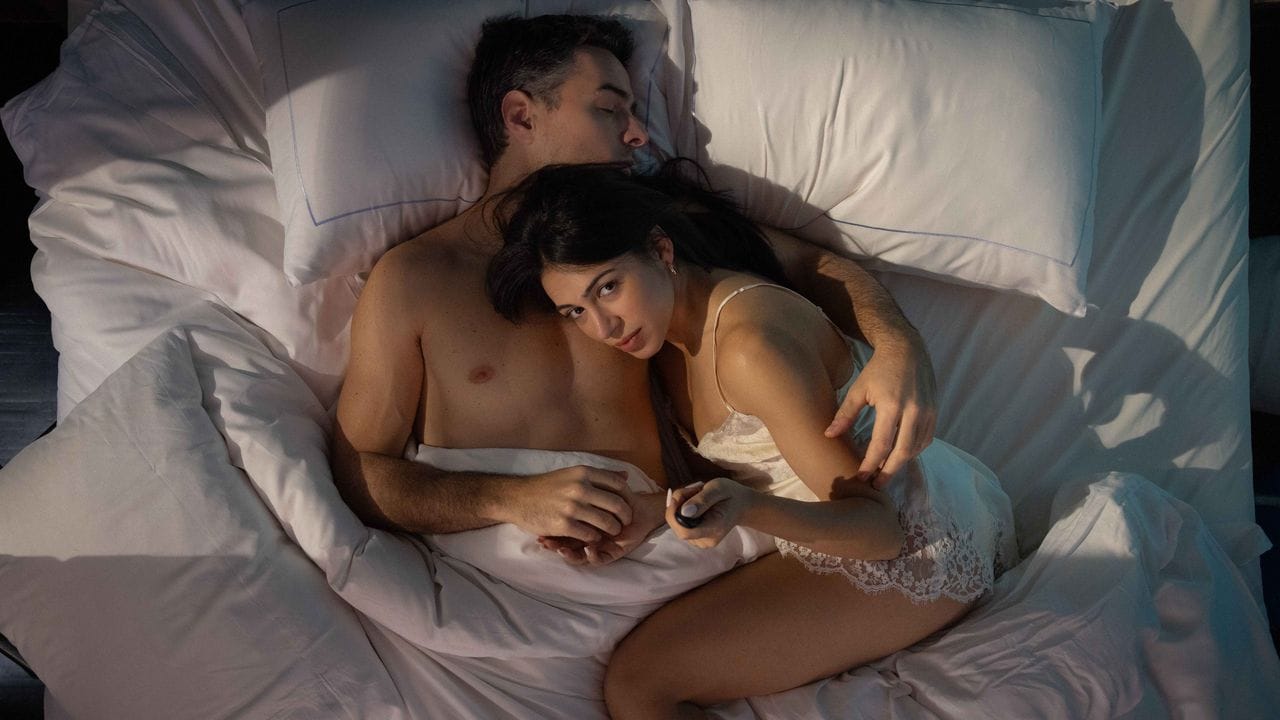
There is a particular violence in watching someone else inhabit the life you used to live. Diana Markosian knows this. Her exhibition Replaced, currently on view at Gallerie d'Italia in Turin as part of the third edition of EXPOSED – Torino Photo Festival, is built entirely from that wound. Commissioned by Intesa SanPaolo and curated by Brandei Estes, the project reconstructs a lost relationship — not through nostalgia, but through deliberate, almost clinical reenactment. Markosian hired a casting director, found an actor, and walked back through the wreckage of something she once loved. According to Vogue, she wanted to feel the presence of the person she'd lost while simultaneously stepping back into the version of herself who had loved him.
The result sits somewhere between documentary and fiction, which is exactly where memory lives anyway. Markosian has spoken openly about the distortions — the moments mid-shoot when she realized she couldn't accurately recall how things actually happened, and chose to lean into the blur rather than fight it. The work became, by her own admission, a weave of fragments from multiple relationships. Memory doesn't archive cleanly. It edits, flattens, rewrites. What Markosian did was treat that unreliability not as failure but as raw material.
Reclaiming the Story Before Saying Goodbye
What makes Replaced genuinely unsettling — and genuinely moving — is the question it refuses to answer: where does all the love go? Those experiences that felt singular, irreplaceable, defined by one specific person — what does it mean when they can simply be reconstructed with someone else? Markosian doesn't offer resolution. She described the shoot as painful, the hardest part being that she already knew how it would end and chose to live through it anyway. The memories, she has said, already felt taken from her before the project began — overwritten. Replaced was her attempt to exist inside the story a little longer before letting it go.
She's also clear-eyed about what photography is and isn't. It's not therapy. It's not a cure. It's confrontation — a tool for returning to moments that once felt out of her control, not to relive them sentimentally but to examine their weight. She started shooting at 20 with that same drive to explore her interior world; what's deepened is the precision of the instrument. When asked what she felt seeing the images printed and out in the world, her answer was quietly devastating: "It was difficult. I wish I had a different book to make."
The most honest thing Replaced offers isn't closure — it's the radical act of feeling everything again on purpose, which most of us are too afraid to do even once.
Read the original at Vogue.