<strong>The 9 Best Massage Guns for Muscle Soreness, Tested and Reviewed by Editors</strong>
Plus, we explain how percussion therapy actually works.
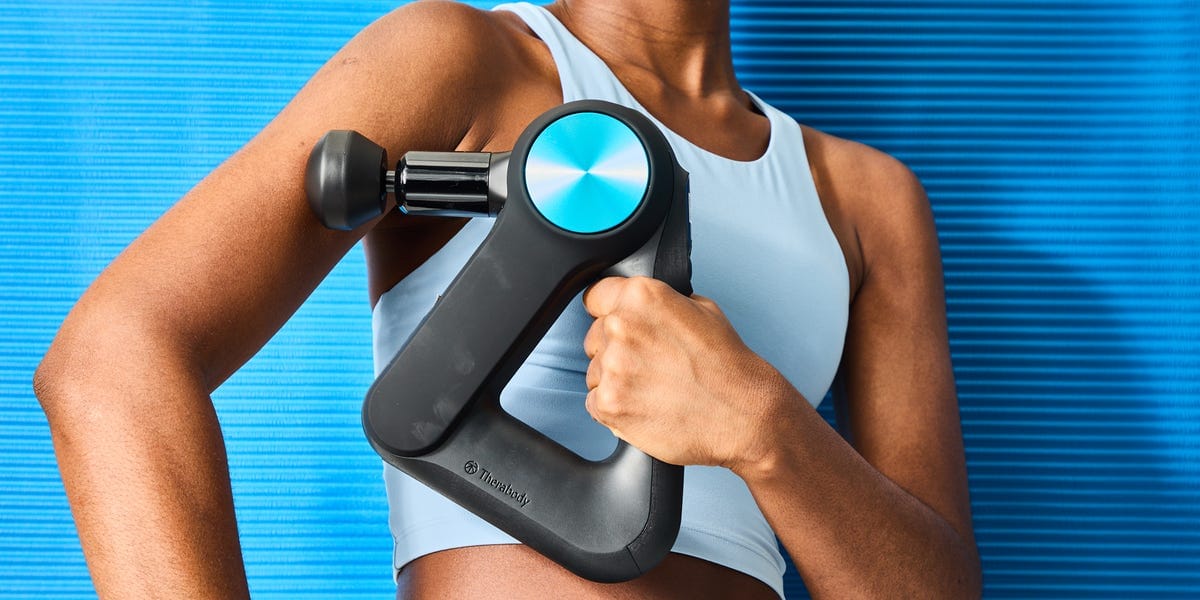
Reported by Women's Health Magazine.
I resisted massage guns for years—seemed like unnecessary tech until I actually used one. Now? I'm genuinely mad I waited so long. As someone who runs distance and battles back tension, my massage gun has become non-negotiable for keeping my glutes and hamstrings from locking up post-workout. The payoff is real: my chronic back pain has dropped significantly.
These devices aren't a cure-all, but according to Women's Health Magazine, there's solid evidence that percussive massage tools reduce stiffness, improve range of motion, and support flexibility. Think of it less as a magic fix and more as an active recovery tool that breaks up muscle tightness after hard training. Physical therapist Lindy Royer explains that massage guns work by stimulating blood flow and activating your nervous system—basically tricking your body into relaxation mode. Even 30 seconds counts; three minutes is the sweet spot.
What Actually Matters When Shopping
Speed—measured in percussions per minute (PPM)—determines intensity and circulation boost. Low to moderate speeds (1,600–2,100 PPM) suit sensitive areas and warm-ups; anything above 2,100 handles deep-tissue work on dense areas like glutes. But faster isn't always better. Pay attention to what feels right for your body, and dial it back if it's too intense. Size and weight matter too, especially if you're holding it overhead for three minutes—aim for two pounds or less if upper body endurance isn't your thing. Attachments vary widely (ball heads for larger muscle groups, forked heads for spinal muscles), so check what comes in the box. Battery life ranges from 2.5 hours to eight hours depending on the model, and grip ergonomics shouldn't be overlooked since you'll be holding this thing regularly.
Physical therapist Sarah Cash Crawford notes one critical safety rule: avoid your abdomen, front neck, head, face, and bony areas—they lack enough soft tissue to safely absorb percussion. Beyond that, massage guns are genuinely worth adding to your recovery arsenal once you figure out which speed, size, and attachments align with your actual needs and lifestyle.
A massage gun won't replace proper training recovery, but it's the difference between feeling tight for days and feeling mobile by tomorrow.
Read the original at Women's Health Magazine.