Textile Art Is Having a Moment—Here’s How to Style it Like an Interior Designer
Bring warmth and character to any-sized space.
Reported by Vogue.
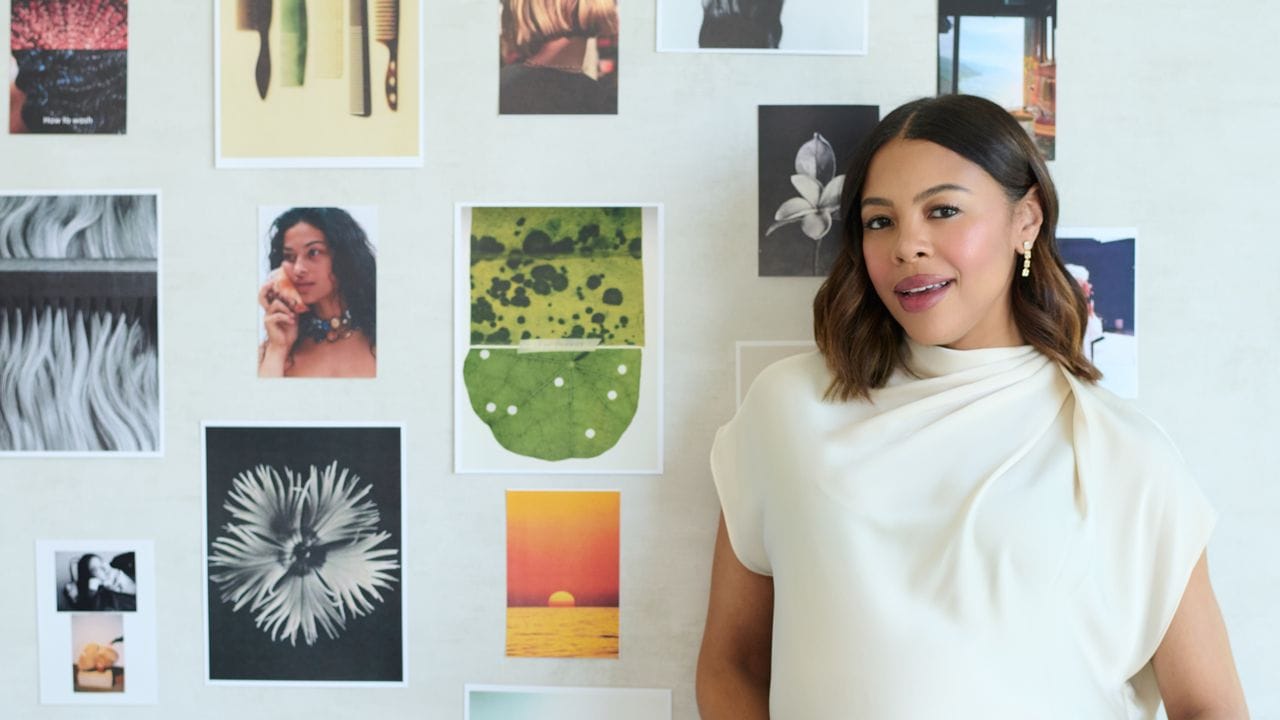
There's a reason your algorithm keeps surfacing moody, tapestry-draped interiors — and it's not just aesthetics. Global Google searches for "wall tapestry" are up 40 percent, and searches for "vintage tapestry" have surged 110 percent in recent months, according to Vogue. The explanation, at least partly, is psychological. "People are overwhelmed by AI's rapid influence on our lives and are seeking traditional forms of craft that serve as a reminder of our humanity," says Emma Lang, art consultant and founder of marketplace SOTA. In the last six months alone, nearly every design brief she's worked on has included a textile request — a dramatic shift after years of curating art for luxury hotels and private residences.
The appeal is easy to understand. Textile art — think kente cloth, Central Asian suzani, Turkish kilim, Indonesian ikat — carries cultural weight that no AI-generated print can replicate. These aren't decorative afterthoughts. They're objects with lineage. Interior designer James Thurstan Waterworth, whose recent work on London's The Zetter Bloomsbury hotel incorporated antique fragments and woven panels, puts it plainly: layering in textiles makes a room feel "collected and personal, rather than overly designed." Bella Valenzia, founder of Pelican House, agrees — they tell the story of a space in a way that nothing mass-produced ever could.
How to Actually Do It
You don't need a hotel budget or an interior designer on speed dial. Good pieces surface at local fairs, antique markets, estate sales, and yes — eBay and Etsy. Entry-level finds exist in homeware stores, but if you want something with real craft behind it, commission or invest in artisan work. Sourcing through social media is increasingly viable too. The golden rule, per designer Nicholas Hodson Taylor: if you fall for an antique piece and aren't sure where it'll go, buy it anyway. "Otherwise, when you finally decide, it will be gone forever."
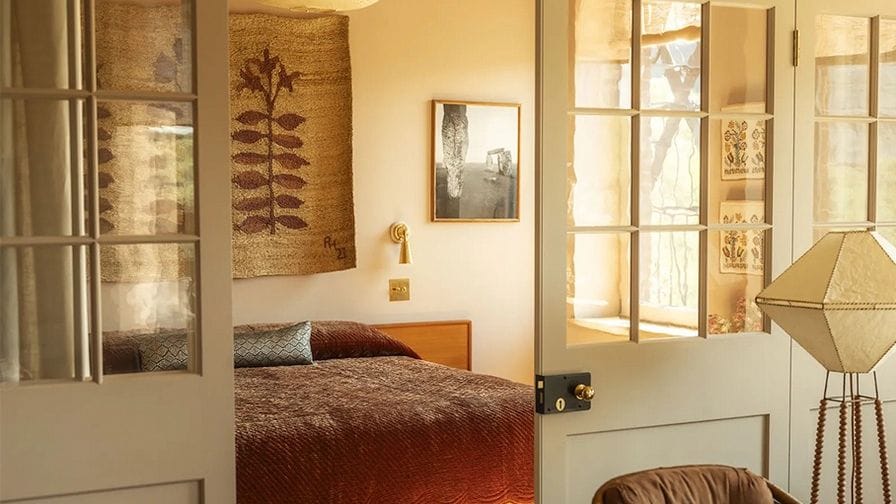
As for placement, Waterworth recommends mixing textiles across styles, eras, and textures rather than treating them as standalone statements. Large tapestries hung loosely above beds or behind seating areas add softness without formality — he's even used them in place of doors. Framed textile fragments, from antique lace to woven panels, create gallery-wall moments without the predictability of framed prints. Smaller wall hangings punch above their weight in compact spaces like powder rooms or galley kitchens, where "color, weight, and weave subtly influence the way we experience a room, even if we don't realize it." And here's the designer shortcut worth stealing: hang a flatweave rug or throw instead of buying large-format textiles — often more affordable, and just as impactful.
In a moment when every surface feels digitally optimized, textile art is the deliberate, human-made antidote your walls have been waiting for.
Read the original at Vogue.