The 7 Best Probiotics for Gut Health, Tested and Reviewed by a Dietitian
Goodbye, tummy aches.
Reported by Women's Health Magazine.
Your gut does more than digest lunch — it influences your immune system, your skin, your mood, and depending on what stage of life you're in, your hormonal balance too. The problem is the probiotic market is enormous, badly labeled, and full of vague claims that make it almost impossible to know what you're actually buying. According to Women's Health Magazine, not all probiotics are created equal — and the differences between formulas matter more than most people realize.
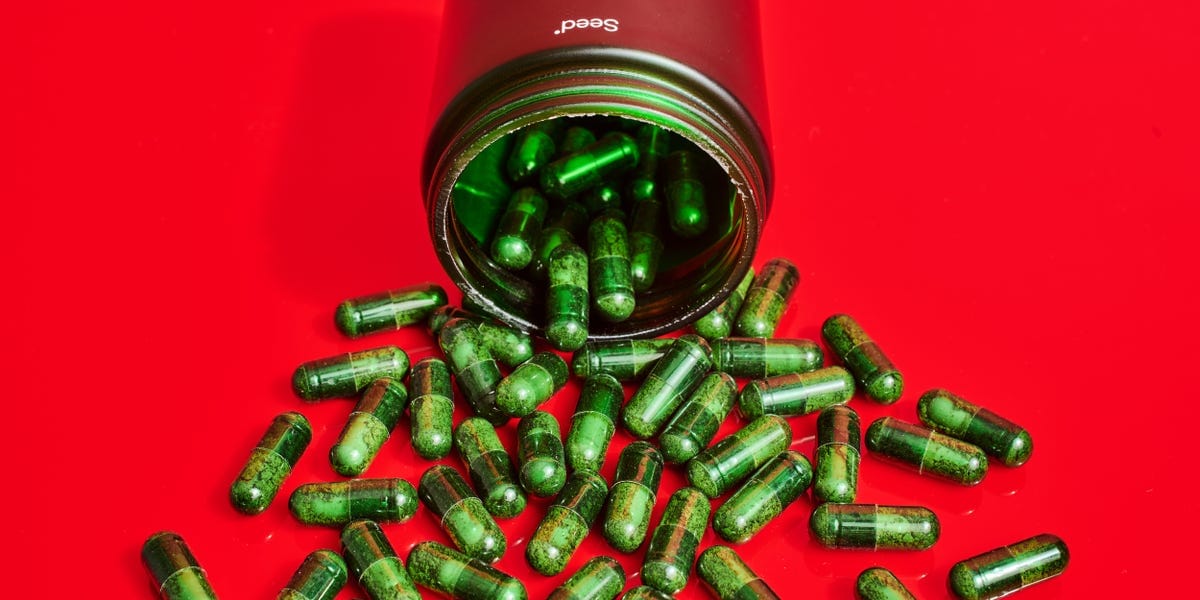
For general gut health, multi-strain synbiotics (probiotics plus prebiotics in one capsule) tend to outperform single-strain options because the prebiotics actively feed the bacteria you're introducing. Formulas built around well-researched strains like Lactobacillus rhamnosus, Bifidobacterium longum, and Lactiplantibacillus plantarum have the most evidence behind them for digestion, immune support, and even cardiometabolic health. Strain count and CFU (or AFU) numbers get a lot of marketing attention, but what matters more is whether those strains are purposeful — grouped with a clear function — and whether the capsule is engineered to survive your stomach acid long enough to actually work.
Beyond Bloating: Targeted Support by Life Stage
Vaginal health, pregnancy, perimenopause — your microbiome needs shift significantly across your life, and your probiotic should shift with it. For vaginal health specifically, Lactobacillus species are non-negotiable; they're the dominant bacteria in a healthy vaginal environment and help maintain the slightly acidic pH that protects against infection and imbalance. During pregnancy and postpartum, strains like L. rhamnosus HN001 have been linked to improved glucose metabolism and lower postpartum depression scores — which is not a small thing. For women over 50, diversity matters more: as estrogen declines, so do beneficial Bifidobacterium and Lactobacillus strains, making high-potency, multi-strain formulas worth considering, particularly those with evidence for bone health, insulin sensitivity, and vaginal microbiome support in postmenopausal women. A 2023 review in Current Nutrition Reports found that certain strains — including L. reuteri and B. lactis — may influence calcium absorption and lipid levels, both of which become increasingly relevant after menopause.
One emerging player worth watching: Akkermansia muciniphila, a next-generation strain that works at the gut lining and shows early promise for blood sugar regulation, insulin sensitivity, and appetite hormones like GLP-1. The research is still catching up, and it's not a fit for everyone — particularly those with complex gut or inflammatory conditions — but it signals where the science is heading. What doesn't change regardless of formula: third-party testing matters, refrigeration requirements vary (and are worth checking before you buy), and proprietary blends that don't disclose individual strain doses make it harder to evaluate what you're actually getting.
The bottom line: a probiotic is only as good as its strains, its delivery system, and how well it matches what your body actually needs right now.
Read the original at Women's Health Magazine.