The 8 Foods You'll Find In Nearly Every Mediterranean Kitchen
The Mediterranean diet the most research-backed diet. It's rich in fruits, vegetables, whole, grains, and healthy fats. These are a few staple ingredients.
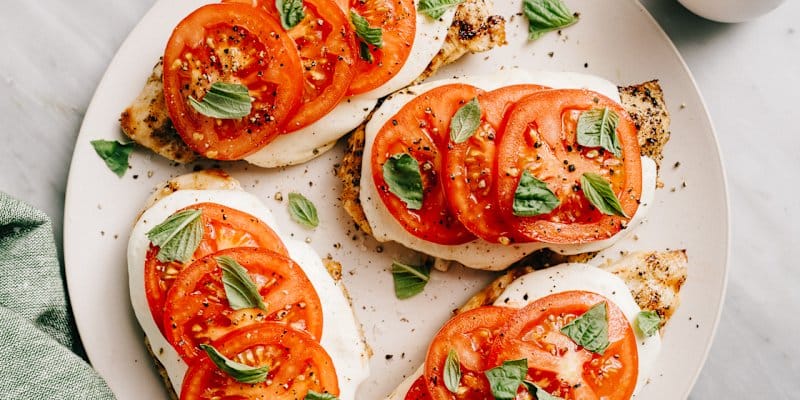
Reported by MindBodyGreen.
The Mediterranean diet has been called the world's healthiest eating pattern so many times it almost sounds like a cliché — except the research keeps backing it up. Lower cholesterol, reduced diabetes risk, less inflammation, slower cognitive aging: the evidence is relentless. But the diet itself isn't a rigid prescription. It spans 22 countries and countless regional variations. What ties it together is a handful of everyday ingredients that show up, again and again, on tables from Morocco to Greece. According to MindBodyGreen, registered dietitian nutritionist Molly Knudsen, M.S., RDN, identifies eight of them — and they're more accessible than you think.
Extra-virgin olive oil is the non-negotiable foundation. Minimally processed and loaded with polyphenols and oleic acid, it's linked to healthier cholesterol and cardiovascular function. Research supports at least 1.5 tablespoons daily for heart benefits — and in Mediterranean kitchens, that's practically a light pour. Tomatoes pair with it naturally and strategically: lycopene, the antioxidant tomatoes are prized for, actually absorbs better when cooked in fat. Chickpeas deliver 7 grams each of fiber and protein per half-cup, plus folate, iron, and magnesium — whether you're making hummus, falafel, or throwing them into a grain bowl. And sardines, undersized and underrated, punch above their weight with omega-3s, vitamin D, calcium, and significantly less mercury than larger fish.
The supporting cast is just as strategic
Spinach brings folate, magnesium, and vitamin K — and the sheer versatility to go from a raw salad to a blended smoothie without protest. Walnuts are the only tree nut with a meaningful dose of plant-based omega-3s (ALA), and regular consumption has been tied to healthier cholesterol levels and better cognitive function with age. Citrus — lemons, oranges, grapefruits — contributes more than just vitamin C; the flavonoids have demonstrated anti-inflammatory and cardiovascular benefits, and a squeeze of lemon over fish or legumes is one of the simplest flavor upgrades in existence. Finally, honey earns its place not as a health food per se, but as a centuries-old natural sweetener used in moderation — drizzled over yogurt, paired with nuts, folded into desserts. It's still sugar, but it's the kind your pantry should keep around forever (literally: pure honey never expires).
The bigger point is that none of these ingredients require a plane ticket or a specialty store. The Mediterranean diet's real power isn't in its exoticism — it's in its emphasis on whole, minimally processed foods that genuinely taste good together. Build your meals around these eight staples and you're already most of the way there.
Eating like the Mediterranean means eating simply and eating well — and those two things, it turns out, are the same thing.
Read the original at MindBodyGreen.