The Appointment You Shouldn’t Skip When Taking A GLP-1
Why regular eye exams matter when taking weight-loss medications—and what they can help detect early.
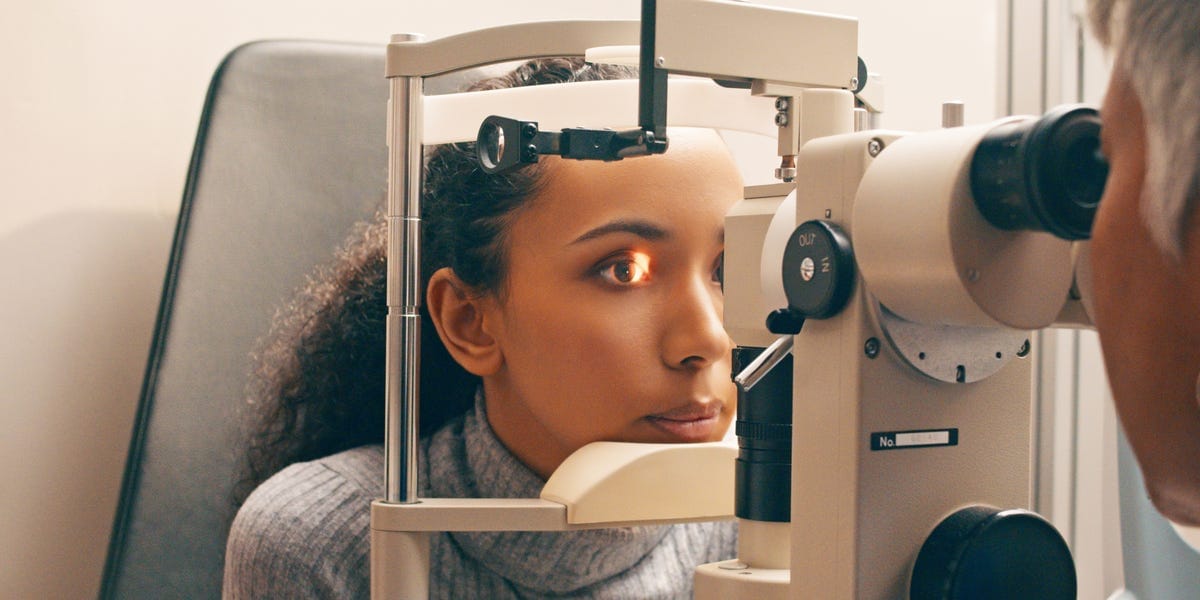
Reported by Women's Health Magazine.
GLP-1 medications have earned their moment — and rightfully so. From blood sugar regulation to cardiovascular benefits to meaningful weight loss support, drugs like semaglutide have genuinely changed the game for millions of people managing type 2 diabetes or obesity. But as prescriptions climb, so does the checklist of things you need to stay on top of. Alongside your strength training and primary care visits, there's one appointment that's quietly become non-negotiable: the eye exam.
"Vision issues can occur when using GLP-1s," says Jacqueline Bowen, OD, president of the American Optometric Association. "While these complications appear to be rare, patients with diabetes or pre-existing eye conditions may be at higher risk for potentially serious vision problems." According to Women's Health Magazine, the AOA now recommends a comprehensive baseline eye exam within one year before starting a GLP-1 — or within one month after — with regular follow-ups from there.
What Your Eyes Are Actually Telling You
Three conditions are on the radar. First, diabetic retinopathy: GLP-1s lower blood sugar effectively, but the speed of that drop may temporarily aggravate existing retinal damage in some patients. Second, ischemic optic neuropathy — a rare, sudden vision loss caused by blocked blood flow to the optic nerve — has been linked to higher doses of semaglutide, particularly in men. Third, dry eye, already a widespread nuisance, can worsen on GLP-1s because dehydration (triggered by reduced thirst, nausea, or slowed digestion) strips the eyes of necessary moisture. For some people with type 2 diabetes, the reverse may be true — but that variability is exactly why monitoring matters.
Here's what makes a comprehensive eye exam more than a routine vision check: optometrists can detect over 270 systemic conditions — hypertension, autoimmune disorders, even certain cancers — just by examining the eye's interior. It's the only place in the body where blood vessels and nerve tissue can be assessed directly, without imaging equipment or invasive procedures. "We can identify, just by looking into the eye, whether someone is at higher risk for reduced or restricted blood flow," Dr. Bowen explains. Many early-stage eye conditions produce zero symptoms, which makes waiting for warning signs a losing strategy.
To be clear: "Potential vision issues are not a reason to stop taking GLP-1s," Dr. Bowen says. "These are transformative medications." The point isn't alarm — it's accountability. If you're on a GLP-1, your eyes deserve a seat at the table of your overall care plan.
The GLP-1 era demands a fuller picture of your health — and that picture starts with what your optometrist can see.
Read the original at Women's Health Magazine.