The Curator, the Artist, and the Artisans Bringing Morroco to Venice
When la Biennale de Venezia unveils its 61st International Arte Exhibition on May 9, the Kingdom of Morocco will have its first official national pavilion within the Arsenale. Last summer, artist Amina Agueznay was selected to represent her country, in tandem…
Reported by Vogue.
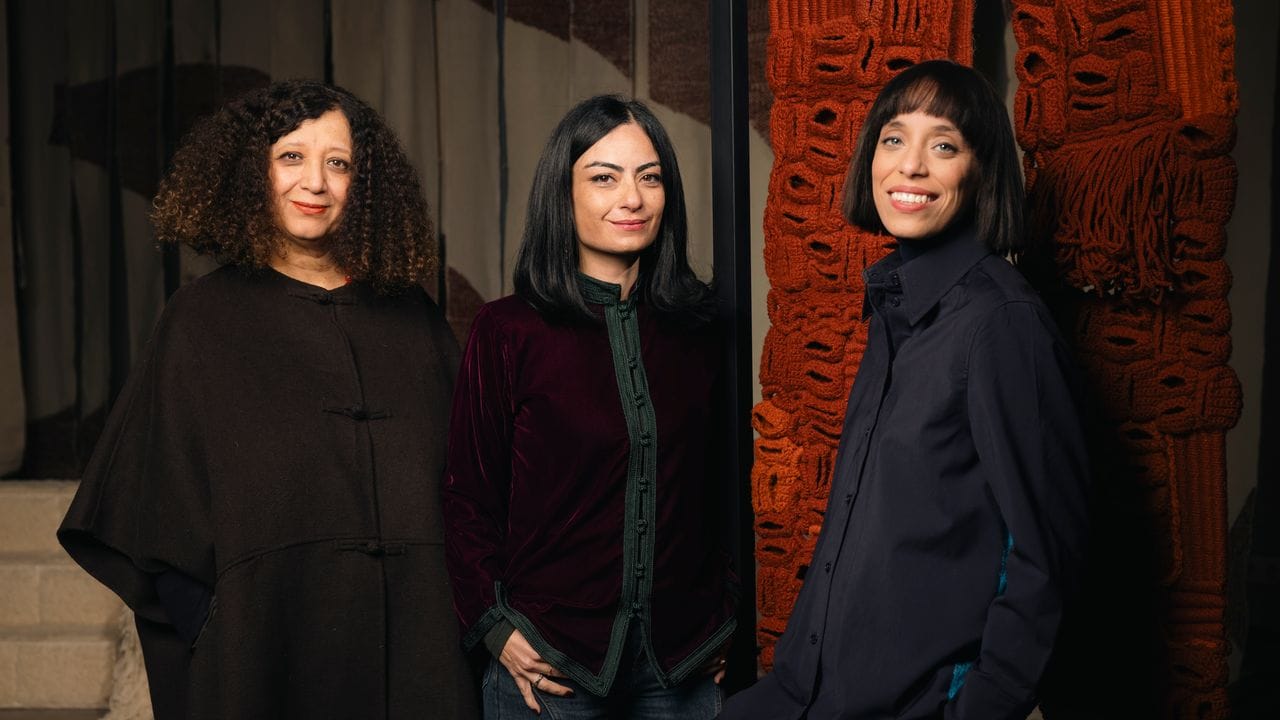
Morocco is finally getting its moment at Venice's International Art Exhibition—and it's being stewarded by a powerhouse trio of women who are redefining what craft can mean on the global stage. When la Biennale di Venezia opens its 61st edition on May 9, Morocco will debut its first official national pavilion at the Arsenale. Artist Amina Agueznay, curator Meriem Berrada, and a crew of 166 artisans from across the country are bringing "Asetta"—an Amazigh word for ritual weaving—to life as a sprawling, immersive meditation on how skills, stories, and memory get passed down.
Agueznay, who trained as an architect in the US before returning to Morocco in 1997 to pursue jewelry and textile work, isn't interested in treating craft as quaint folklore. Her 300-square-meter pavilion will feature over 200 suspended wool bands in naturally dyed fibers from the Tiflet region, interspersed with beaded creatures (scorpions, lizards, lions), protective talismans in gold, and works by her mother—a respected post-independence painter. There's a crocheted piece made from rocks Agueznay collected, a henna panel with a womb-like form, and embroidered raffia guardians inspired by feminine symbols. Nothing is random; everything connects back to ideas of transmission, thresholds, and sacred femininity.
Respect Over Renovation
What distinguishes Agueznay's practice is her refusal to impose aesthetic will on the people she works with. "I won't ask them to change their technique. Who am I to do that?" she said. Instead, she collaborates closely with 166 craftspeople—including head artisan Malika Benmoumen—creating pathways for their work to reach new markets while preserving the integrity of their traditions. Berrada's role is to architect Agueznay's maximalist vision into something that reads as intentional rather than chaotic, revealing the layered strata of influence across her life and practice.
The pavilion represents something bigger than a single artist's success. According to the pavilion's commissioner Mohammed Benyaacoub, Morocco's cultural ministry nearly doubled its budget between 2019 and 2026, signaling that policymakers have finally recognized culture as a strategic asset. "There is a real creative force there," he noted, "and artists today are deeply engaged in it." For Agueznay, the Venice moment is about visibility—putting Moroccan artisans on the map so their work transcends regional markets and enters global consciousness.
Agueznay calls herself an "artisan-creator," a term that collapses the false boundary between fine art and craft. In her hands, a woven band becomes architectural language; a piece of jewelry becomes a protective object for a room; memory itself becomes material. The pavilion won't be a bazaar—that's what Berrada is there to ensure—but it will be unapologetically generous, tactile, and rooted in the belief that the most powerful art comes from collective labor and deep respect for tradition.
Read the original at Vogue.


