The Scoop With Shahram Saadat and Niall Wilson: On Illustrating the Future of AI
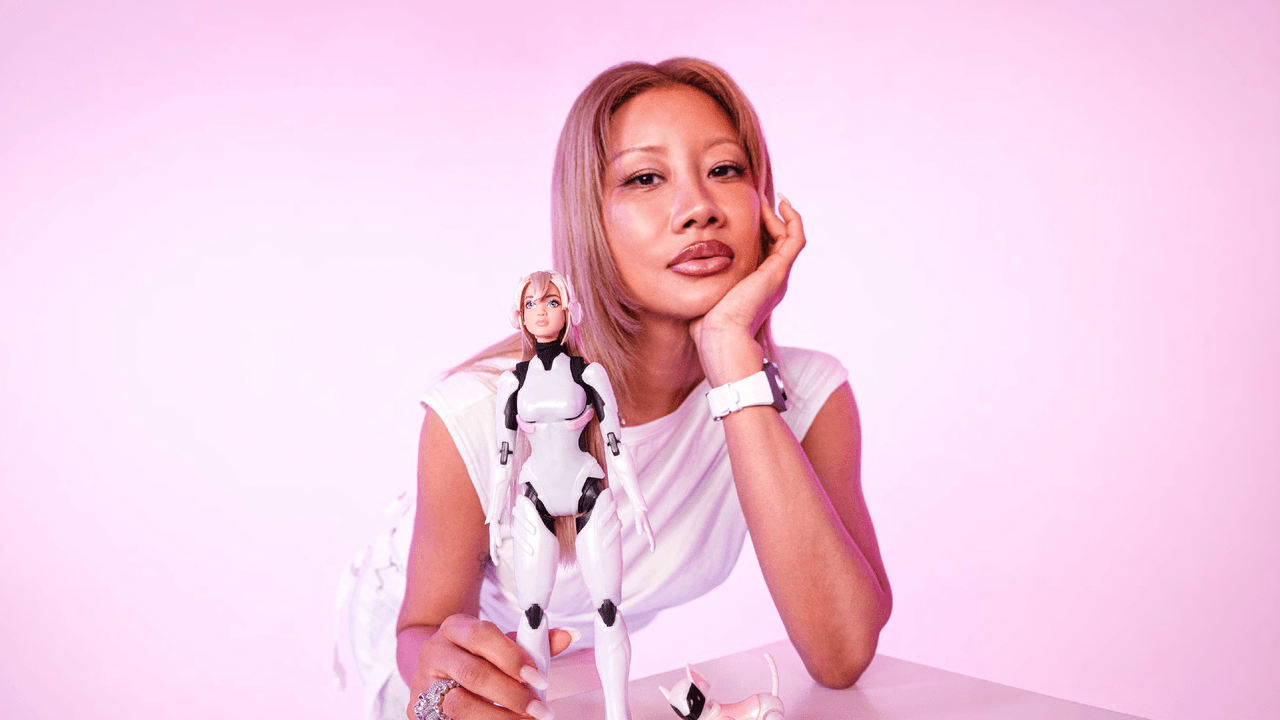
This week, we have two guests, photographer Shahram Saadat and Vogue Business’s art director Niall Wilson. They are here to talk about a subject close to my heart, and likely on the nose and navel, too; the images we created for our latest series, The Future…
Reported by Vogue.
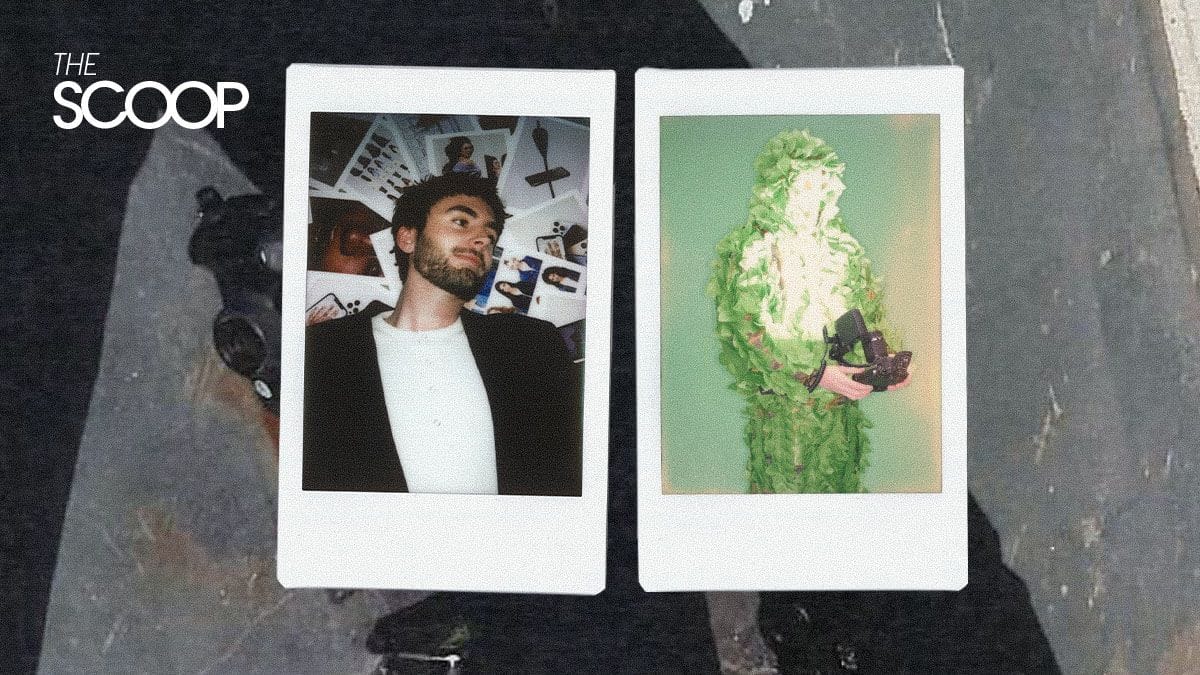
There's a particular irony in how fashion's most forward-thinking minds are choosing to resist the tools that are supposed to represent the future. When Vogue Business set out to create visuals for its latest series on AI, art director Niall Wilson and photographer Shahram Saadat made a deliberate choice: go analog. Deliberately, defiantly human.
Wilson had used AI image generators for a previous series on appearance—and found the experience exhausting. "AI is made out to be the easy way out," he explains, "but to get anything worthwhile out of it, it takes a lot of prompting and tweaking." So this time, he did something unexpected. He briefed Saadat the way you'd brief an AI tool: minimal text prompts, single sentences, maximum creative freedom. The result feels almost like a middle finger to the algorithm: images created by a photographer trained to find strangeness in the mundane, using only light, lens, and perspective. No neural networks required.
The uncanny valley of real taste
Saadat's practice already traffics in subtle distortion—a car wash photographed from inside a windshield, water creating an otherworldly blur, everyday moments bent into something slightly surreal. When asked if this dystopian sensibility is intentional, he pushes back: it's about capturing documentary reality through formal experimentation, making the ordinary feel genuinely strange rather than algorithmically "weird."
Both creatives identified a problem that no amount of processing power has solved: AI struggles with taste. Saadat notes that early image generators produced "absurd" images—almost like a digital Salvador Dalí—while newer versions have swung too far toward glossy advertising, "lacking the human touch" and "empathy in people's faces." AI needs taste to operate it; it hasn't yet developed its own. Wilson went further, arguing that luxury and AI exist in fundamental opposition. "Luxury is built on scarcity and exclusivity," he says. "AI is available to everyone. There's nothing luxurious about a £20 subscription." According to Vogue, the future of fashion may depend less on embracing the technology and more on understanding what it can never replace: the judgment that comes from having something at stake.
The most honest use of AI in creative work isn't aspirational—it's practical, filling in the gaps that human taste has already defined.
Read the original at Vogue.