The State of Menswear Today: Three Experts Weigh In Ahead of the Spring 2027 Season
Three menswear experts talk about where the industry is today.
Reported by Vogue.
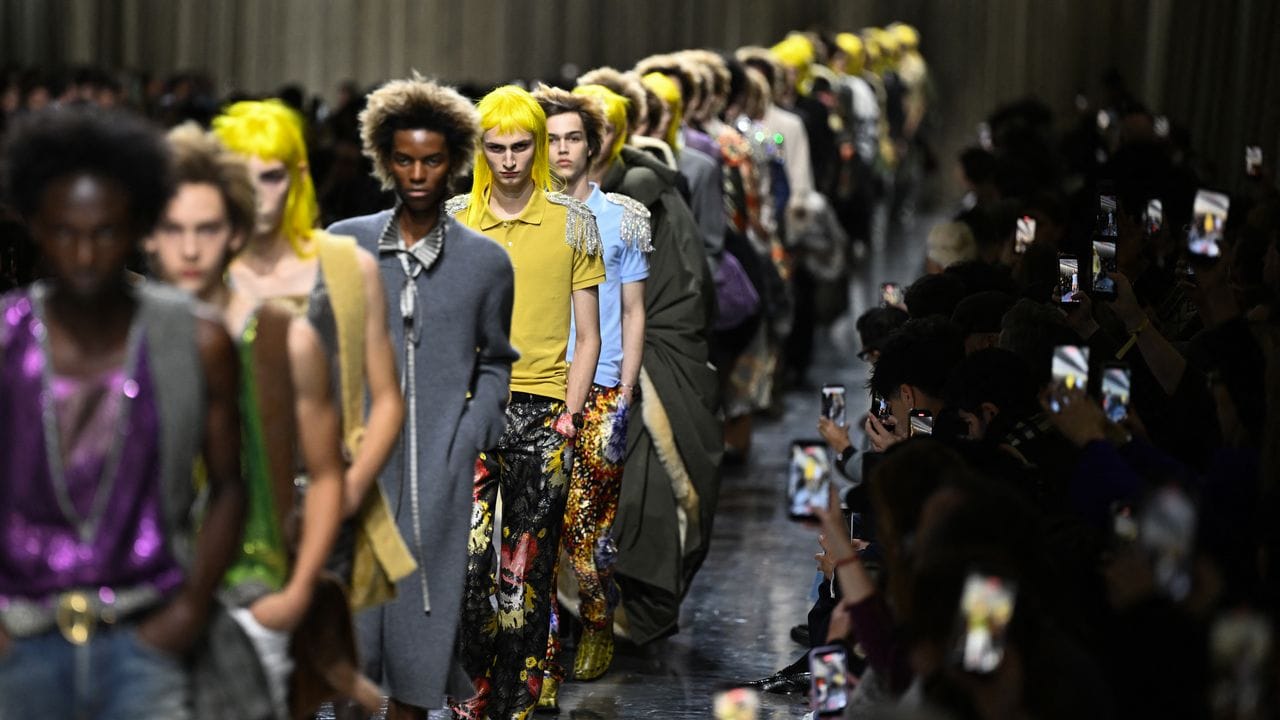
Menswear is no longer a footnote in fashion conversations — it's the headline. JFK Jr. lookalikes, Harry Styles's wardrobe legacy, Michael Rider's debut at Celine, the return of big shorts: the cultural signals are everywhere. And with the spring 2027 season officially underway, moving from Pitti through Milan to Paris, the timing couldn't be sharper. According to Vogue, three of the most plugged-in voices in the industry — stylist and consultant Marcus Allen of The Society Archive, Nordstrom's men's fashion director Jian DeLeon, and Throwing Fits co-host Lawrence Schlossman — have strong opinions about who's shaping the moment, where trends went, and what's actually worth paying attention to.
On the designer front, the consensus has teeth. DeLeon is locked in on Haider Ackermann at Tom Ford — describing his tailoring as the male equivalent of the little black dress, a combination of elegance and '70s sleaze that gives men permission to feel, as he puts it, "a little bit naughty." Schlossman echoes the sentiment, noting that Ackermann arrived at an impossibly high bar and cleared it — converting people who'd never considered Tom Ford before. Schlossman is equally enthusiastic about Michael Rider at Celine, calling it a rare bullseye: distinctly of-the-moment but unwilling to alienate. DeLeon also flags Zane Li of Lii — a younger designer doing nylon sets that hit the same nerve as early Raf Simons and Jil Sander. Allen, more measured in his enthusiasm, points to The Row for integrity and longevity, Commission for identity, and Raimundo Langlois for doing Americana through an actual point of view rather than copy-paste references.
The Trend Is That There Are No Trends
Ask these three about trends and you get something more interesting than a list: a diagnosis. DeLeon argues that "trend" has effectively been replaced by "aura" and "vibe" — because algorithmic media has turned every person's taste into their own For You page, fragmenting the shared cultural matrix that made trends possible in the first place. Schlossman's frustration is more specific: it's not trends themselves but the velocity, the way hype cycles now outpace the actual products they're hyping. Allen is perhaps the most candid — he says he genuinely doesn't know what's trending in menswear right now, that prep has never been a trend so much as a default wearability, and that the TikTok "get ready with me" era has flattened personal sensibility into noise.
As for where to actually find reliable information, all three point away from traditional media and toward something more personal and direct. Schlossman lives on Instagram, follows liberally, and keeps an embarrassing screen time — he's clear-eyed about the fact that major outlets are beholden to advertisers and affiliate revenue. DeLeon supplements industry group chats with newsletters and Substacks, distinguishing between the magazine-adjacent ones and the old-school enthusiast blogs reborn in newsletter form. Allen opens the Vogue Runway app regularly and supplements it with archival magazines and old books for imagery and research.
The throughline across all three perspectives: the men who are dressing well right now aren't following trends — they're developing taste, and the designers worth watching are the ones making clothes that reward it.
Read the original at Vogue.