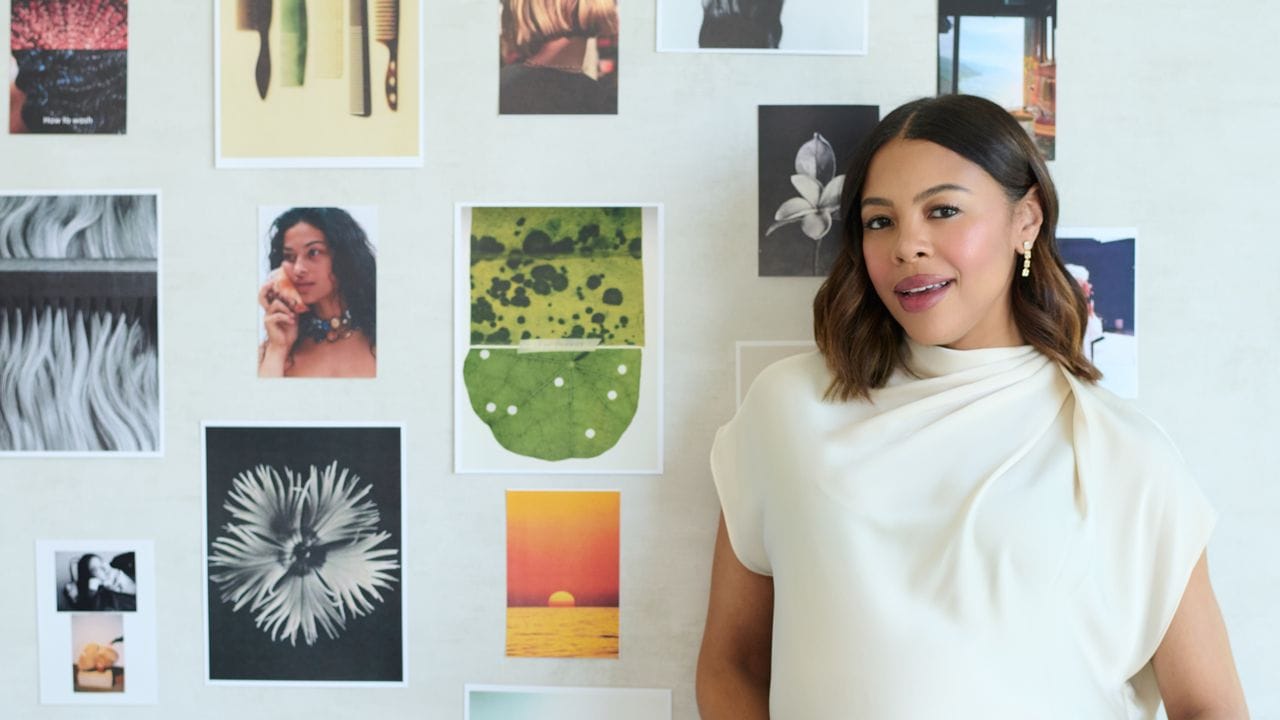
The Story Behind Athena Calderone’s First Standalone Furniture Collection
The cultural tastemaker’s debut furniture collection, now on show at The Future Perfect, is informed by the lessons of designing her new Tribeca apartment.
Reported by Vogue.
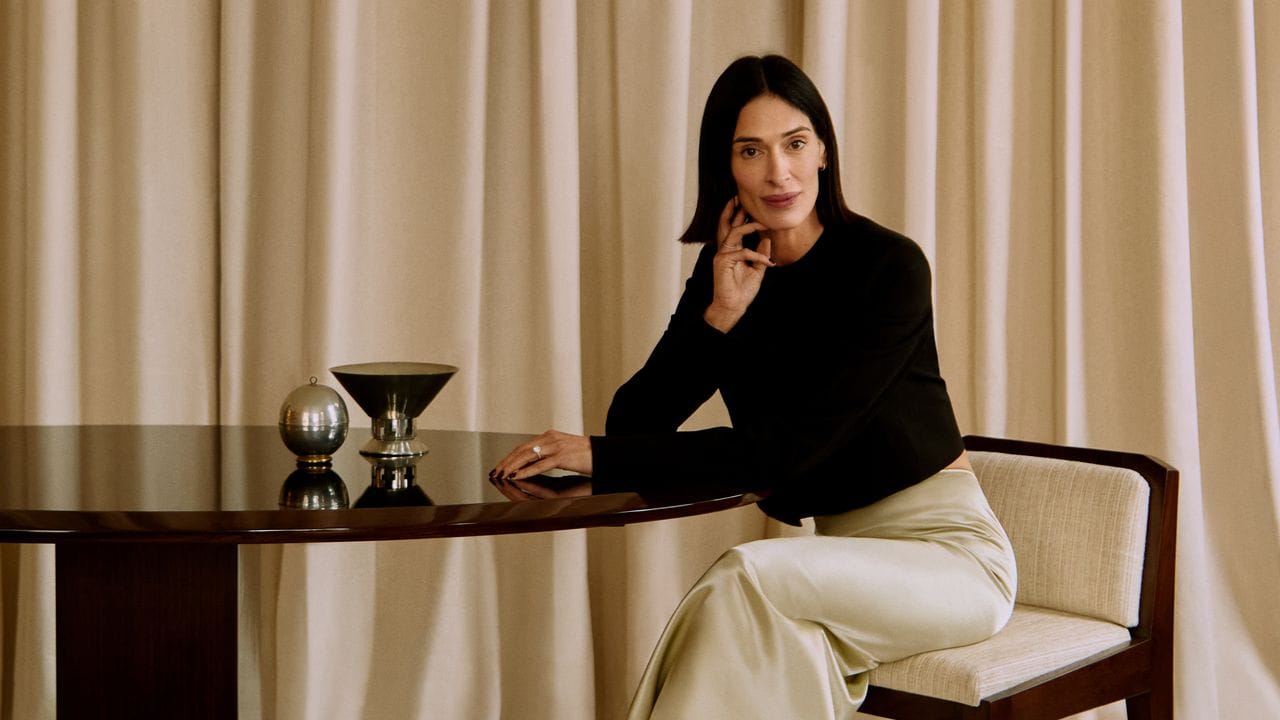
Athena Calderone has always resisted easy categorization. The woman behind EyeSwoon, two books (including a James Beard Award-winning title), and an interior design practice that landed her Tribeca apartment on the cover of Architectural Digest this March, has spent years building something more interesting than a brand — a point of view. Now, according to Vogue, that point of view has materialized into furniture.
Assembler I, a 14-piece furniture and lighting collection developed under Studio Athena Calderone, debuted exclusively at The Future Perfect in New York. Rooted in French Art Deco proportion and materiality, the suite moves in high-gloss wood, lacquer, nickel, and a vegetable-based parchment Calderone discovered while shopping in Kyoto — the same material that inspired her wallpaper collaboration with Calico. A Prelle brocade seat on a dining chair marks the collection's sole concession to color, and the sinuously carved Courbe side table reads less like cabinetmaking and more like sculpture. This is minimalism that has done the work.
Function Is the Real Luxury
What separates Assembler I from beautiful-but-useless collectible design is Calderone's insistence on livability as a design principle. Chamfered seat edges were engineered for ergonomic posture. When a lacquered coffee table proved too precious to actually use, her team worked with the manufacturer to develop an inset black glass top instead. "When you have to feel so precious about how you live with it, it takes away the beauty," she says. That's not a lifestyle philosophy — that's an edit.
The collection also marks a significant shift in creative ownership. Unlike her earlier furniture work done in collaboration with Crate & Barrel, Assembler I was built from the ground up inside her own studio — "the first time that my studio really owned the drawings, owned the proportions, owned the minute iterations," she notes, after two years of development. The Future Perfect, David Alhadeff's West Village gallery and one of the most respected voices in collectible contemporary design, is the right room for this kind of arrival. Kamp Studios even restored the Chipperfield-designed townhouse's original plaster walls for the installation, hung with work sourced from Calderone's studio and nearby gallerist Amelie du Chalard.
Calderone has described her own Tribeca apartment as a research lab — every design decision a form of immersion. Assembler I is what that immersion produces. And since this is only chapter one of a planned series, it's worth noting she's already moved on mentally. "I have a part of my personality that never looks back," she says. "I put myself in a place of discomfort because I want to see what can be born from there." The most interesting designers, it turns out, are never satisfied with the room they just finished.
The takeaway: When a designer finally owns the process entirely — the proportions, the problem-solving, the parchment sourced in Kyoto — the work stops being decorative and starts being inevitable.
Read the original at Vogue.