This Eating Pattern May Offer An Unexpected Benefit For Heart Health
A new study found the DASH diet was the only eating pattern linked to lower homocysteine and PAI-1 in people with and without type 1 diabetes.
Reported by MindBodyGreen.
The DASH diet has earned its reputation as one of the most rigorously studied heart-protective eating patterns in existence. Originally designed to lower blood pressure, it prioritizes whole foods dense in potassium, calcium, magnesium, and fiber — and it has the research to back up its cardiovascular credibility. What it hasn't had, until recently, is meaningful data on one of the highest-risk groups: people living with type 1 diabetes.
A new longitudinal study changes that, according to MindBodyGreen. Drawing from the Coronary Artery Calcification in Type 1 Diabetes (CACTI) study, researchers tracked 563 adults with T1D and 692 without over three years, scoring dietary adherence against three well-known eating frameworks — DASH, the Alternate Healthy Eating Index (AHEI-2010), and the Mediterranean-Style Dietary Pattern Score. They then cross-referenced those scores with four blood markers: homocysteine, high-sensitivity C-reactive protein, fibrinogen, and PAI-1. Of the three patterns, only DASH consistently moved the needle on both homocysteine and PAI-1 across both groups. Every single-point increase in DASH adherence correlated with roughly a 0.5% drop in homocysteine and a 1% drop in PAI-1.
Why Those Two Markers Are Worth Caring About
If those names don't ring a bell, here's why they should. Homocysteine is an amino acid that, at elevated levels, damages blood vessel walls and raises clotting risk — often a sign of B-vitamin deficiency or genetic factors. PAI-1 is a protein that regulates your body's ability to dissolve clots; when it runs too high, clots linger, inflammation builds, and arterial plaque accumulates. Both are routinely monitored in people with T1D because they already face two to four times the cardiovascular disease risk of the general population. The fact that diet alone — no medication, no procedure — moved these markers is not a small thing.
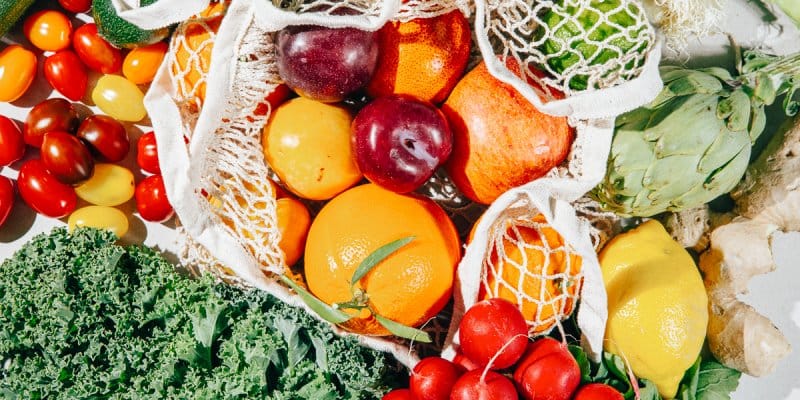
In practical terms, eating DASH means building meals around vegetables, fruits, whole grains, low-fat dairy, legumes, and lean proteins like fish and poultry, while pulling back hard on sodium, red meat, and added sugar. The low-fat dairy component is what distinguishes DASH most sharply from the Mediterranean diet — and researchers noted that future randomized controlled trials should zero in on which specific food groups are driving the homocysteine and PAI-1 reductions in people with T1D.
The evidence here is modest but consistent, and for a population that spends a lifetime managing elevated cardiovascular risk, consistency is exactly what matters — the DASH diet may be one of the most accessible, evidence-backed dietary tools available for protecting heart health in people with type 1 diabetes.
Read the original at MindBodyGreen.