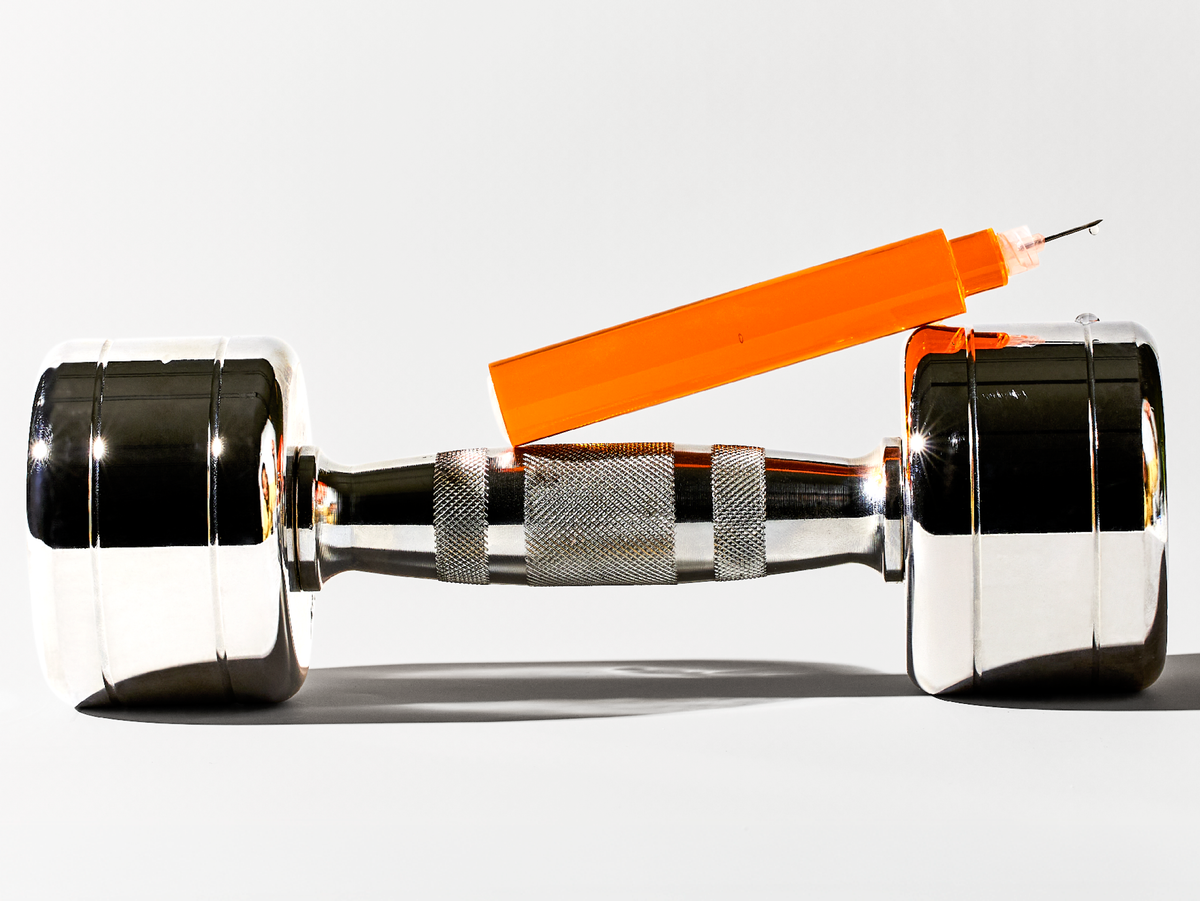
This Habit Is Your First-Line Of Defense Against 35 Chronic Diseases
A new review finds physical activity acts as primary prevention against 35 chronic diseases. Here's why exercise is medicine for long-term health.

Reported by MindBodyGreen.
We've added thirty-plus years to the average human lifespan over the last century — moving the needle from the mid-40s to the mid-70s and beyond. But here's the uncomfortable truth nobody puts on a wellness mood board: we're now moving our bodies about five times less than people did 100 years ago. Longer life, yes. Better life? That's a harder sell when the back half of it increasingly means prescription bottles, limited mobility, and machines keeping the lights on.
A new review published in Cell Metabolism makes the case that exercise deserves the same clinical seriousness as medication — and the evidence is hard to argue with. According to MindBodyGreen, researchers synthesized data showing that regular physical activity can prevent or slow the progression of 35 chronic diseases and conditions, including cardiovascular disease, type 2 diabetes, cognitive decline, and several cancers. The central problem they identified isn't lifespan — it's healthspan, the years we actually spend well. We've figured out how to live longer. We haven't figured out how to live better for longer. Exercise, the researchers argue, is the most accessible tool we have to close that gap.
Why the Scale Is the Wrong Scoreboard
Here's where it gets culturally inconvenient: most women are working out with weight loss as the primary objective, and the science is lukewarm on that front. One study cited in the review found that exercising five days a week — 225 minutes total — produced only a 2.4% reduction in body weight, compared to 8.5% from dietary changes alone. Exercise, used in isolation, is a modest weight-loss tool at best. But reframe the metric entirely, and the picture changes. Physical inactivity doesn't just carry its own risk — it amplifies existing ones, compounding the effects of obesity and hypertension in ways that compound quietly until they don't. The returns on movement show up in your bloodwork, your brain, your heart — not necessarily on the scale.
Despite all of this, only about one in four adults currently meets basic physical activity guidelines. The gap isn't informational — people know exercise is good for them. It's behavioral. And the review doesn't demand you train like an athlete to earn the benefits. Consistent movement in whatever form is sustainable for you — walking, swimming, strength work, dancing in your kitchen — counts. The goal is regularity, not performance.
The most powerful shift you can make isn't finding the perfect workout; it's stopping the treatment of exercise as optional and starting to treat it like the evidence-backed, disease-preventing medicine it actually is.
Read the original at MindBodyGreen.