This Is The Most Common Kind Of Cancer In The World & It's On The Rise
Skin cancer rates are on the rise, including the most deadly kind, melanoma. Here's what you need to know about protecting yourself.
Reported by MindBodyGreen.
Skin cancer holds a title nobody wants: it's the most common cancer in the world, and right now it's accelerating. According to MindBodyGreen, one in five Americans will develop skin cancer by age 70, and in any given year, more people receive a skin cancer diagnosis in the U.S. than every other cancer type combined. Invasive melanoma cases have climbed nearly 47% over the past decade, with projections showing a 10% spike in new diagnoses this year alone.
The instinct is to credit better screening — and that's partly true. Harvard-trained, board-certified dermatologist Jessica Wu, M.D., author of Feed Your Face, is clear that both things are real: detection has improved and rates have genuinely risen. What hasn't improved enough is our visual literacy around what skin cancer actually looks like. "The biggest misconception is that skin cancer always looks dramatic," Wu says. People expect an ominous black mole — but it can appear as a sore that won't close, a recurring pimple, a rough patch, or a spot that suddenly starts itching or bleeding. The ABCDE rule (asymmetry, irregular border, color variation, diameter over 6mm, and evolution) is a solid baseline, but far from the whole picture.
What a real prevention routine looks like
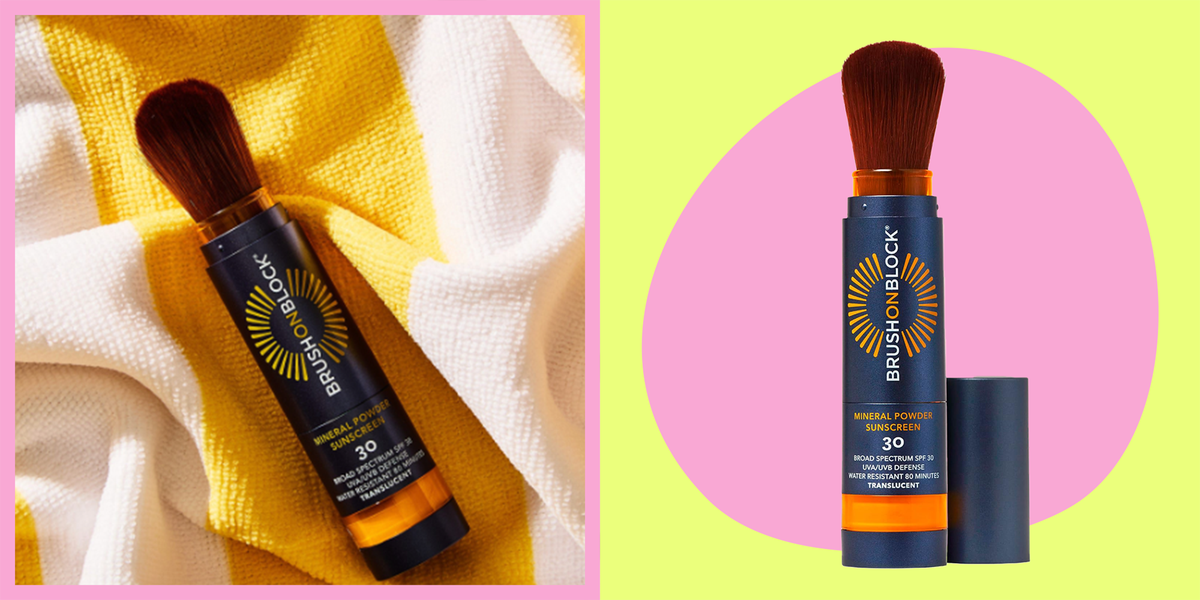
Sunscreen is non-negotiable — but it's also not enough on its own. A 2026 survey from the American Academy of Dermatology Association found that 96% of Americans understand sun protection matters, yet 67% still tanned in 2024 (up from 54% in 2020), and 35% got sunburned — including nearly half of Gen Z and millennials. Wu's take is blunt: "Daily sunscreen is health infrastructure. You don't wear a seatbelt because you expect to crash." Layer in UPF clothing, wide-brimmed hats, UV-blocking sunglasses, and shade during peak hours — especially near water, sand, or concrete, which all amplify UV exposure. And for the record: being outside is good for you. Sunlight has documented connections to mental health, cardiovascular function, and cognitive resilience. The goal is protection, not avoidance.
Monthly self-exams are one of the most underused tools in early detection. Wu recommends a full head-to-toe check in good light — scalp, ears, under the breasts, between the toes, under the nails — using a hand mirror and your phone camera. "The goal isn't to diagnose yourself," she says. "It's to know your own body well enough to notice when something changes." Annual dermatology visits are baseline; every three to six months if you have a personal or family history of skin cancer, atypical moles, immunosuppression, or significant tanning history. From the inside out, antioxidants like vitamins C and E, lycopene, and green tea polyphenols can help neutralize UV-generated free radicals. Wu also notes that nicotinamide — a form of vitamin B3 — has been shown in studies to reduce the risk of developing a second skin cancer in those who've already had one.
Your skin is the only organ you can watch age and sustain damage in real time — treat the way you care for it accordingly.
Read the original at MindBodyGreen.