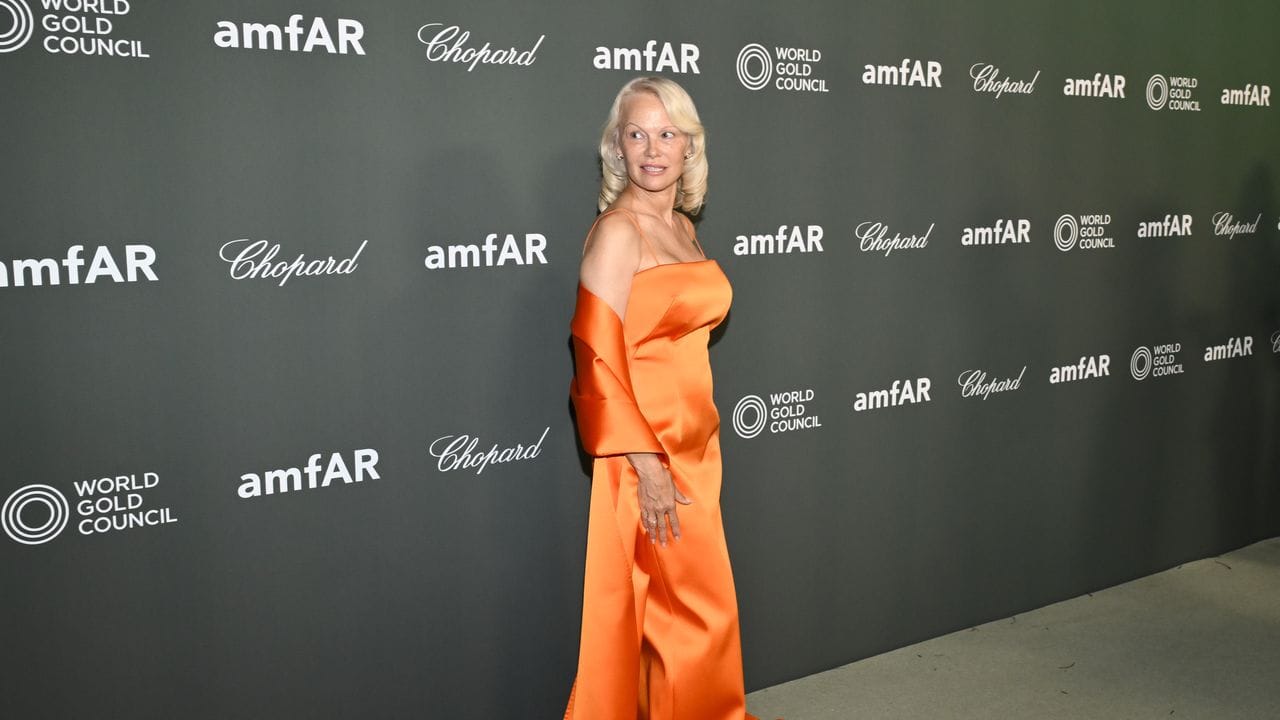
Understanding Luxury in Germany
Germany is Europe’s biggest economy, but one of its most misunderstood luxury markets. From fragmented cities to value-driven consumers, this guide breaks down what brands need to know to succeed.
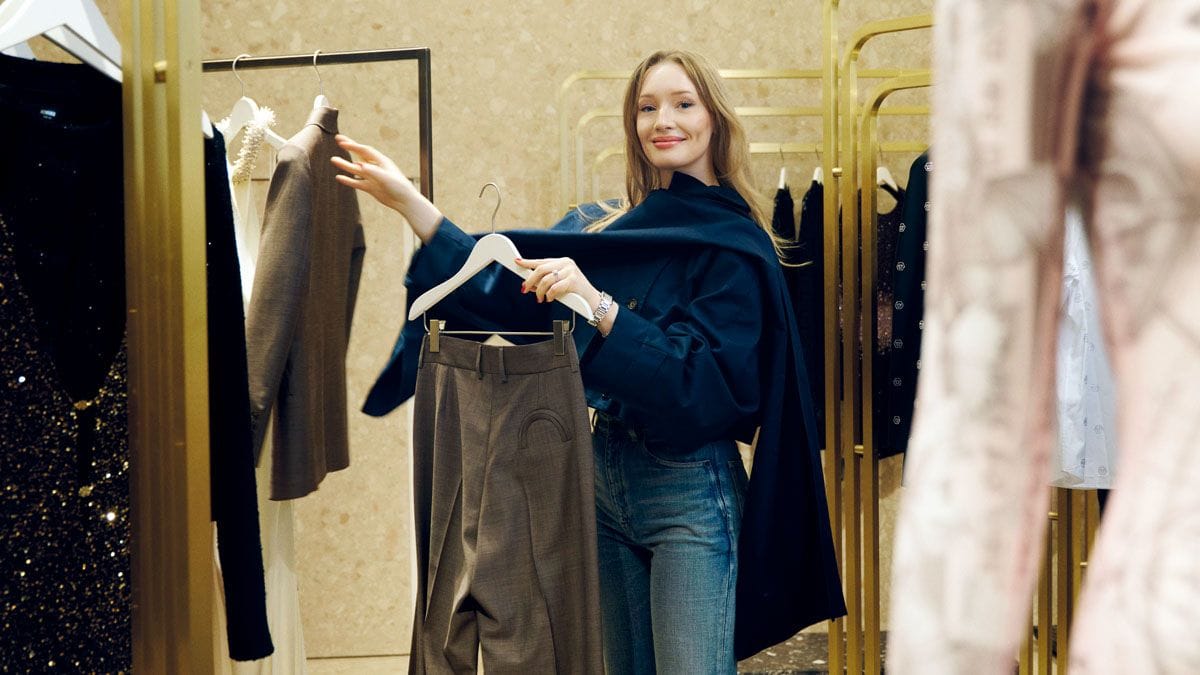
Reported by Vogue.
Germany is Europe's largest economy, home to roughly 260,000 high-net-worth individuals and 7,700 ultra-high-net-worth individuals — and luxury brands have largely been sleeping on it. According to Vogue, luxury sales in the country reached just under €66 billion in 2025, growing a modest 0.8% year-on-year, weighed down by geopolitical tension, stubborn inflation, and a consumer base that approaches spending with the energy of a forensic accountant. That last part isn't an insult. It's the whole story.
The German luxury consumer is not indifferent to quality — they're obsessed with it, on their own terms. GWI data shows they are 126% more likely to seek exclusivity and 45% more likely to rely on expert opinion before purchasing, yet 44% will wait for a discount before buying online. "Germans don't spoil themselves with something that is not lasting," says Kerstin Weng, head of editorial content at Vogue Germany. The cultural script doesn't reward a new Bottega bag the way it rewards a new BMW — fashion is still widely perceived as frivolous, even in one of the world's most craft-obsessed nations. Premium and luxury cars remain the single largest luxury category by value, per Euromonitor, which tells you everything.
The Market That Refuses to Be One Market
What makes Germany genuinely complicated for luxury brands isn't attitude — it's architecture. There is no Paris, no London. Instead, there's Munich (business), Berlin (culture), Frankfurt (finance), Hamburg (private wealth), and Düsseldorf (regional commerce), each with its own consumer expectations and product preferences. "The German landscape is unique because it is fragmented across several medium-sized cities," says Lena-Sophie Roeper, general manager for designer labels at Zalando. "This requires more investment for brands to build a truly localized presence." Brands that parachute in with a single pan-European strategy will miss — badly. The strongest retail players here, according to Christiane Arp, chair of Fashion Council Germany, are often founder-owned boutiques in cities you've never Googled, running on deep customer loyalty and personal relationships. "If you've found your place, you'll go there again and again," says Arp.
The experiential pivot is already underway at the top of the market. KaDeWe in Berlin — along with its sister stores Alsterhaus and Oberpollinger — has retooled its entire model around curation and experience: pop-ups, wine tastings, beauty masterclasses, private kitchen events. "Whereas department stores used to offer quantity, we have strongly sharpened our strategy with clear focus on quality," says CEO Timo Weber. His goal is for KaDeWe to become a "third place" between home and work — less transaction, more destination. Meanwhile, Euromonitor confirms that experiential luxury is the fastest-growing segment in the German market, driven by appetite for travel, dining, and personalized encounters over pure product accumulation.
The generational shift is worth watching, too. Younger German consumers are beginning to treat fashion as cultural identity rather than conspicuous spending — a reframe driven largely by social media exposure to global style movements. Combined with Germany's formidable wealth base and evolving retail infrastructure, the case for taking this market seriously is building. The brands that will win here are the ones willing to earn trust slowly, localize obsessively, and understand that in Germany, investment isn't a marketing word — it's a way of life.
Read the original at Vogue.