What Drawing the Naked Body Taught Me
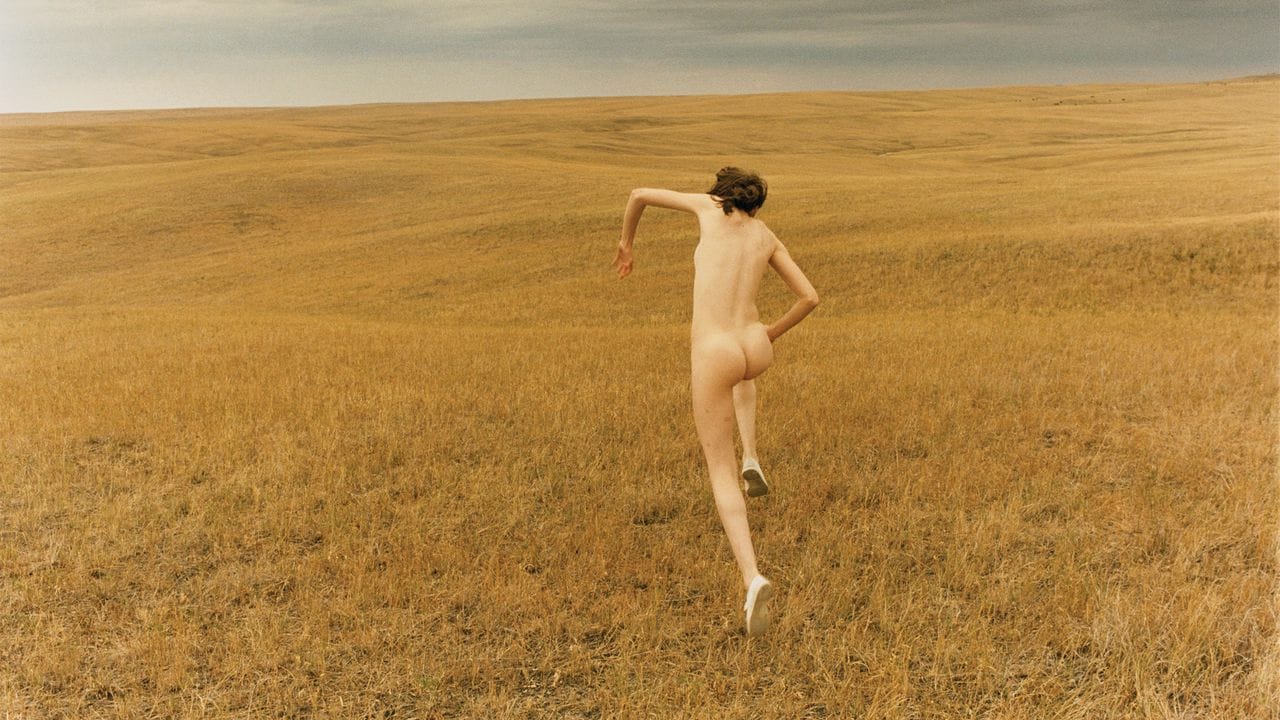
There was a lack of ceremony when the model stepped onto the platform, the room tightening around the sudden nudity. Everyone knew to be polite—even a little blasé.
Reported by Vogue.
There's a particular electricity in a life drawing class—the moment a model steps onto that raised platform and everyone goes quiet. Not because nudity demands reverence, but because suddenly there's work to do. The blank page needs filling, fast. A 30-second pose means you're just catching gesture, the roughest mass of a body in space. Then the longer ones come, and something shifts. You're not drawing anatomy anymore; you're drawing this person, in this room, with their muscles shivering slightly to hold the pose, their back imprinted with terrycloth patterns during the break.
What's wild is how the nakedness stops being remarkable. It's not sexual—it's more like nudity in a public bath, which is to say it becomes almost mundane if you let it. The real work isn't moral or conceptual; it's visual. You're learning to see what's actually there, not what you think a body should look like. A popular studio book, Drawing on the Right Side of the Brain, offered exercises that felt almost like deprogramming: draw the negative space between someone's torso and elbow, sketch their face without looking at your paper. The goal was to smash through all your inherited ideas about how bodies exist and engage with raw visual information instead. The difference between the imagined body and the actual one—that gap is where real learning happens.
Presence Over Performance
Life drawing class was nothing like the art history survey happening in darkened classrooms, where slides flickered on screens and we learned to talk about context, biography, authority. Here, the method was reversed. You weren't gathering outside knowledge; you were trying to lose it. The body in front of you was the entire text. It resisted explanation. Whether your drawings were good didn't matter—the value was in the attention itself, in learning to spend time really looking. Time moved strangely in those sessions: sometimes three hours vanished in what felt like thirty minutes; other times minutes stretched and you'd flip to a new page and start over, chasing back the focus you'd lost. Classical music played on repeat. Bare winter trees pressed against the windows. Everything was primary, essential, eternally itself.
Years later, dropping in on evening figure-drawing groups in San Francisco or Oregon with the same tin pencil box and brown paper, the practice still held. In a world where so much becomes unrecognizable, life drawing insists on something that remains: the assertion that the human body, in all its particular truth, is worth the full weight of your attention. That's worth more than technique.
Read the original at Vogue.