What Is Microneedling? The Expert Guide to the Popular Skincare Treatment
Does it hurt? How long does it take? And all your other burning questions
Reported by Harper's Bazaar.
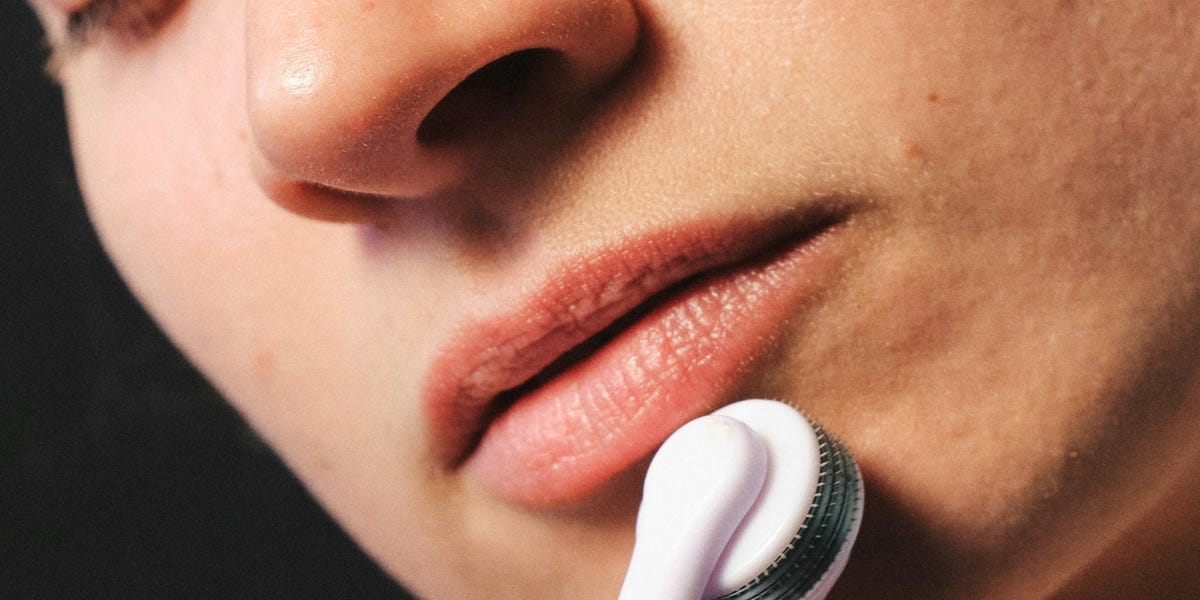
Microneedling has become the go-to treatment for anyone seeking skin refinement without injectables—and for good reason. Unlike fillers or Botox, this minimally invasive procedure works by triggering your body's own repair mechanism, according to Harper's Bazaar. Board-certified dermatologist Sapna Palep explains that tiny sterile needles create controlled micro-injuries in the skin's surface, prompting your body to amp up collagen and elastin production. The result: firmer, smoother skin with fewer visible fine lines, wrinkles, and even acne scars.
A newer variation, RF microneedling, combines the needling with radiofrequency waves for even more dramatic tightening and scar reduction. But here's the non-negotiable part: only a trained, board-certified dermatologist should perform this treatment. Regulations vary by state, and depth and technique are everything—particularly for people with darker skin tones, who are more prone to hyperpigmentation if the procedure isn't executed with expertise and care.
What to Expect (It's Really Not That Bad)
The actual appointment takes about 30 minutes. After numbing cream is applied, you'll feel vibration and pressure rather than pain. Post-treatment? Your skin will be red and show needle punctures, but that fades within two to five days. The recovery is gentle—skip actives and acids for a few days, slather on SPF, and you're basically done. Most people see results after one to two sessions, though dermatologists recommend a series of three to six treatments spaced four to six weeks apart for lasting, meaningful improvement.
The risks are real if you go rogue: at-home microneedling tools can cause scarring, infection, and unwanted hyperpigmentation if not properly sterilized or applied with correct pressure. Even in professional hands, temporary redness and swelling are normal, and bruising can occasionally occur. The takeaway is straightforward—this treatment works, but only when it's done right, by someone who knows your skin.
Read the original at Harper's Bazaar.