What Was Lost When a Beloved Home Was Sold—and What Was Gained
The house created the kind of boredom and stillness that forced me to create worlds out of rocks, sun, and sea—worlds that have stayed in much of my work and consciousness.
Reported by Vogue.
There is a particular kind of grief that has nothing to do with death. It arrives quietly — on a train, say, when you learn from a friend that the house your family has held for 34 years has already been listed, already sold, already gone. No ceremony. No goodbye. Just a listing URL forwarded by someone who thought you'd want to know.
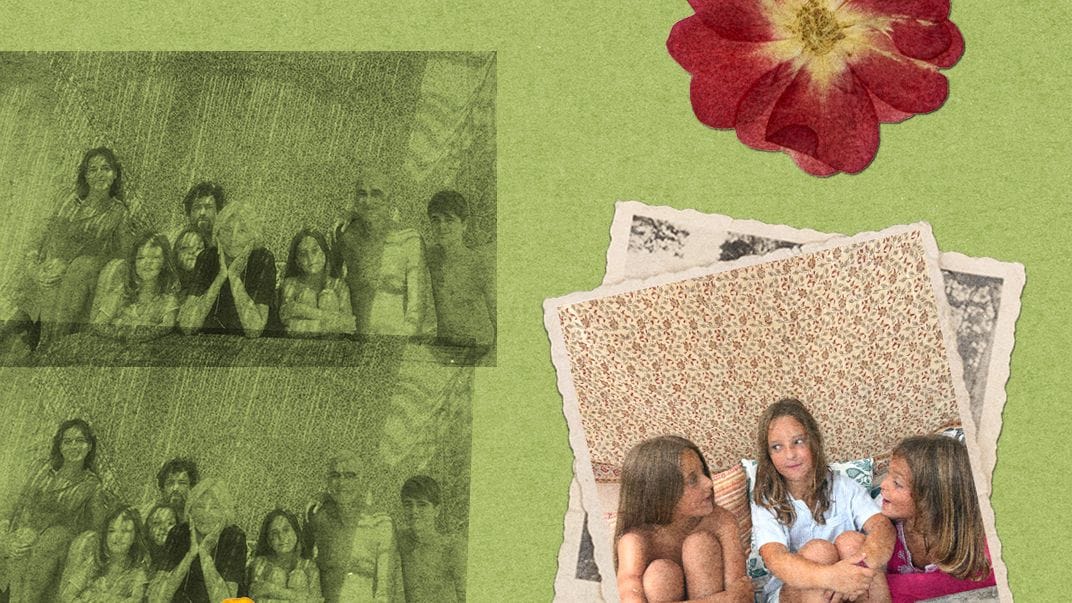
Writer Nathalie Léger knows this grief. In a deeply personal essay published according to Vogue, she traces what it meant to lose her family's home on Alicudi — a near-carless volcanic island in the Aeolian Sea accessible only by boat, donkey, and 450 stone steps. The house had been in the family since 1992, introduced by her mother's "wildly adventurous" brother, who restored a ruin there in the late '80s. For Léger, it was never just property. It was the physical form of her relationship with her mother: the candlelit dinners on the porch, the fried eggplant with salty ricotta, the wordless hours side by side — each woman at her own screen, writing, reading, existing in rare parallel quiet. "In a family where men's voices and needs often filled the room," she writes, the house was an unspoken pact between the women.
What a Place Holds That a Person Cannot
What makes Léger's account land so hard is the precision with which she maps what the island actually did — not what it symbolized, but what it functionally produced. Her mother, emotionally guarded in ordinary life, became generous there. Her father, competitive by default, softened. Léger herself would arrive "like a shipwrecked girl," climb the stairs, collapse onto her mother's bed, and reliably develop a fever — her body finally releasing whatever she'd been holding together in the outside world. The island, she argues, didn't just host these transformations. It required them. The effort of getting there — the flight, the ferry, the donkey, the climb — stripped something away before you even arrived. What you found at the top felt earned precisely because of everything it cost.
Her parents sold the house impulsively, drawn by a flatter, breezier property in Greece. A reasonable adult decision. But Léger didn't hear it from her mother — she heard it from a friend. The house was listed and under contract within weeks. The promised final goodbye, the collective return with children, never happened. What stung wasn't the loss itself but the assumption that it wouldn't matter. "The idea that they didn't think it would matter to me was what hurt most." Her parents acknowledged the oversight. It changed nothing practical.
What Léger ultimately takes from all of it isn't bitterness — it's a design principle for her own parenting. The sudden erasure of a place she believed would outlast her has made her committed, for her own children's sake, to marking transitions: giving loss its moment of ritual before it disappears. "It's not the inheritance I thought I would receive," she writes, "but it may be the one I carry forward."
The most valuable thing a place can hold is the version of people you only ever find there — and the cruelest thing about losing it is discovering that irreversibility has no shape until it's already happened.
Read the original at Vogue.