What’s New York Art In 2026? MoMA PS1’s “Greater New York” Has the Answers
These are the six artists you need to know taking part in this year’s exhibition
Reported by Harper's Bazaar.
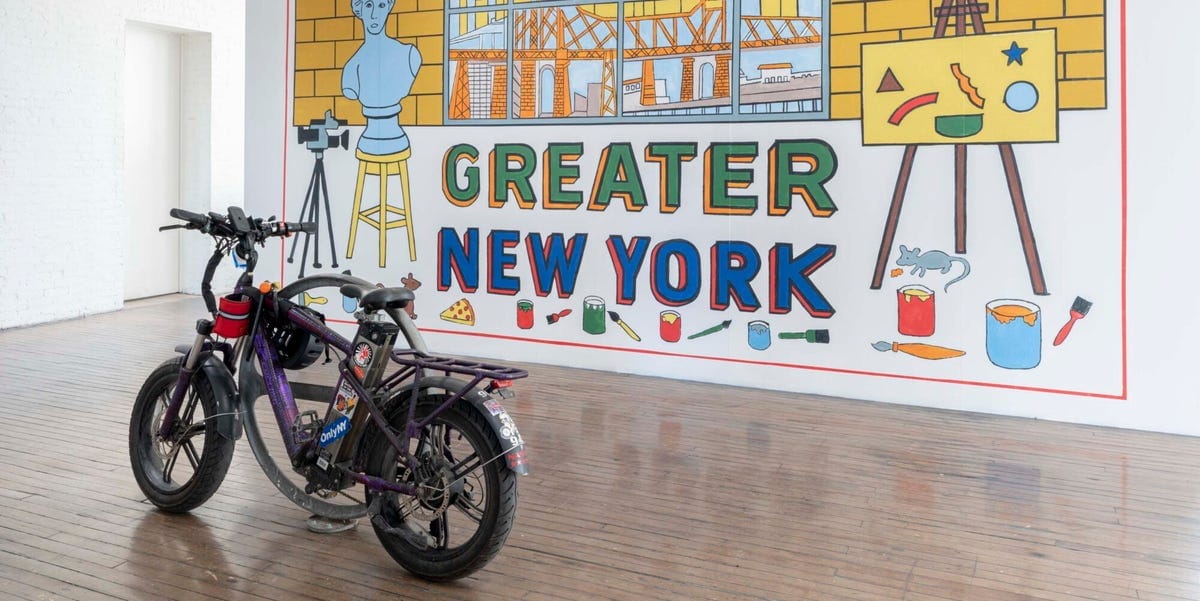
New York is expensive, exhausting, and increasingly hostile to the very people who make it worth living in — and the artists currently showing at MoMA PS1 have something to say about that. "Greater New York," the museum's quinquennial survey of the city's art scene, is back for its sixth edition, and according to Harper's Bazaar, it might be the most urgent installment yet. Curated by a relatively young team led by Ruba Katrib and Connie Butler, the show brings together 53 artists across generations and media to take a hard, honest look at contemporary life in all its chaos.
"Their works register the strange transitions of the 21st century," Katrib says. "It is a world that feels like it is both unraveling and accelerating at once." That tension — between collapse and momentum, between beauty and dread — is exactly what makes this edition feel less like a group show and more like a dispatch from the front lines. Political violence, technological whiplash, and the slow death of affordable creative space all make their way into the work. And yet, somehow, the exhibition reads as defiant rather than defeated.
Fashion, Fire, and the Soul of the City
Among the standout contributors are Women's History Museum, the experimental duo of Mattie Barringer and Amanda McGowan (both born in 1990), who use fashion as a conceptual weapon. Their work — think garments constructed from shattered glass or newspaper — centers the 1911 Triangle Shirtwaist Factory fire, anchoring labor history in a building that's now an NYU classroom. They were drawn to fashion not out of love for the industry, but despite it: "We didn't relate to or enjoy the culture within the industry or the exploitation involved," they've said. Their fictional museum format lets them interrogate beauty, convention, and history on their own terms. Their contribution here is less about clothes and more about what gets buried underneath them.
Brooklyn-based photographer Farah Al-Qasimi (b. 1991, Abu Dhabi) occupies two full walls of the show with images documenting Dearborn, Michigan's Arab community — work that draws a direct line between American industrial power and Gulf oil extraction. Painter Taína Cruz (b. 1998), the youngest artist in this year's Whitney Biennial and a recent Yale MFA grad, brings neon-drenched portraiture rooted in Harlem and the Bronx, figures so emotionally charged they feel like they're vibrating off the canvas. "I want the work to hit you emotionally before anything else," she says. Growing up in New York already felt surreal to her — which might explain why her work lives so comfortably in the space between the real and the otherworldly.
What this edition of "Greater New York" ultimately argues is that the city's creative soul hasn't been extinguished — it's just gotten angrier, sharper, and more necessary. The artists making work here aren't nostalgic for a New York that's gone; they're building proof that something worth fighting for still exists.
Read the original at Harper's Bazaar.