When Fashion Meets the Body, Can a Whole Museum Come Alive?
In the upcoming “Costume Art” exhibition at the Met, fashion is paired with artworks across time, revealing how the “dressed body” can reanimate our understanding of both
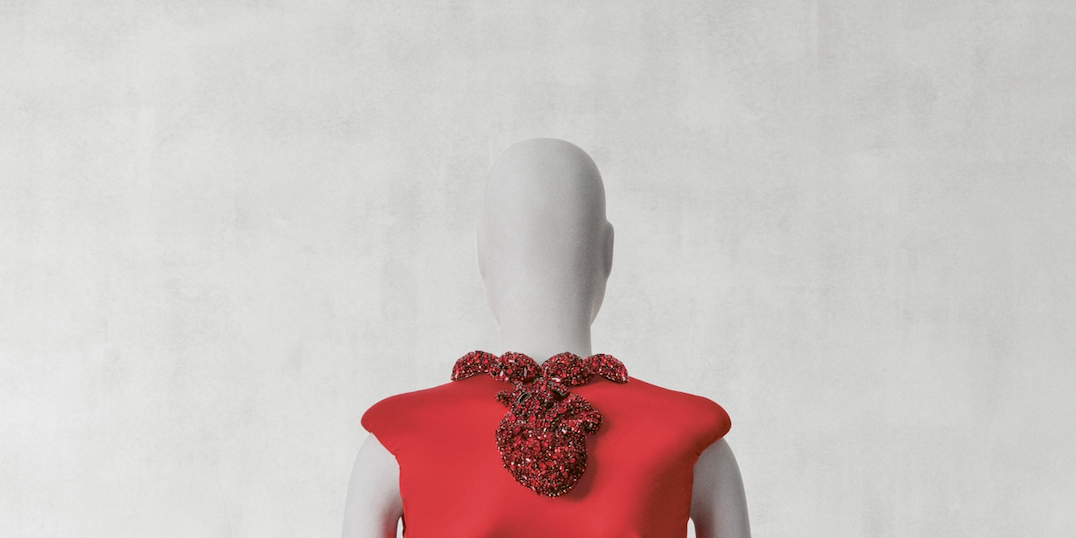
Reported by Harper's Bazaar.
The Metropolitan Museum's Costume Institute is relocating its latest exhibition to a newly repurposed gallery—one that, until recently, sold tote bags and silk scarves printed with Hokusai and Rodin. The symbolic upgrade feels intentional. "Costume Art," opening next week, isn't just moving spaces; it's staking a claim about where fashion belongs in the cultural hierarchy. By anchoring itself at the museum's entrance, the show signals that dress deserves the same intellectual weight as painting or sculpture.
The exhibition pairs 400 objects from the Met's permanent collection—both garments and fine art—organized around a single thesis: the dressed body. Rather than sorting by designer, era, or historical period, curator Andrew Bolton has structured the show thematically, moving from the "naked body" and "classical body" through the "anatomical" and "mortal" ones. It's a curator's gambit that could land as either brilliant or scatter-shot. But the conceptual spine—connecting how artists have represented the body to how fashion encloses and transforms it—feels urgent. According to Harper's Bazaar, the exhibition uses mannequins with polished steel heads (designed by artist Samar Hejazi) that invite reflection rather than projection, encouraging visitors to see themselves across different body types.
Why bodies matter now
The timing is pointed. Body diversity in fashion has nearly flatlined after a mid-2010s moment of genuine progress. According to Tagwalk, a runway analysis platform, 97.6 percent of Autumn/Winter 2026 looks were cast on straight-size models, with plus-size representation at just 0.3 percent. Meanwhile, abled-bodied ideals dominate magazine covers and runways as the default. By centering embodiment—particularly vulnerable, aging, pregnant, and differently abled bodies—the show quietly challenges fashion's narrowing aesthetic bandwidth. Pairings like a 19th-century Charles Frederick Worth gown alongside a Nicolas Ghesquiere Balenciaga piece explore how women's bodies have been abstracted and reshaped across centuries. Others, like Rei Kawakubo's provocative "Lumps and Bumps" collection paired with biomorphic sculpture, insist on the lived, imperfect physicality fashion so often erases.
Fashion theorist Elizabeth Wilson argued in Adorned in Dreams (1985) that museum dress displays feel eerie and lifeless without the bodies that once inhabited them. By organizing around embodiment rather than chronology or attribution, Costume Art attempts to resurrect that missing animate quality—not through mannequins, but through a curatorial commitment to what bodies do, endure, and become. In an era obsessed with AI-generated models and body modification, centering real, complicated, lived experience feels like the most radical move fashion can make inside a museum. Ultimately, the show asks museums to stop treating dress as an object and start treating it as the evidence of human life it actually is.
Read the original at Harper's Bazaar.